
By Xavier Rivera· ·1.5 min read
China Forces Apple to Delist Jack Dorsey's Bitchat
China ordered Apple to remove Jack Dorsey's Bitchat, a decentralized P2P messaging app used by protestors in Nepal, Madagascar, and Iran, from its mainland App Store. The action highlights escalating tensions between censorship-resistant tech and state control over digital communication.
Source:Decrypt
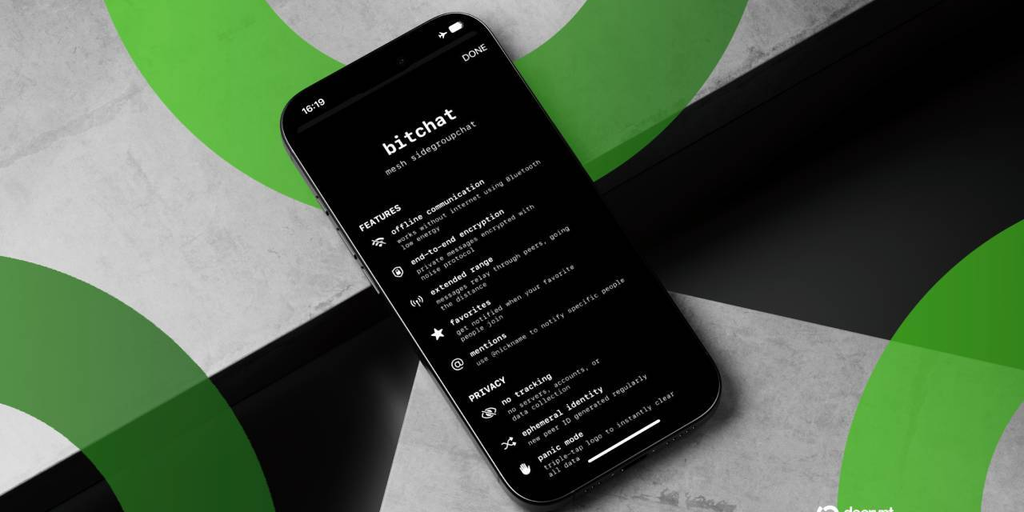
China's regulators have ordered Apple to remove Jack Dorsey's decentralized messaging app Bitchat from its mainland App Store, marking a rare crackdown on peer-to-peer communication tools that evade traditional censorship.
Bitchat, built on the Nostr protocol championed by the former Twitter CEO, enables direct device-to-device messaging without central servers. Protestors in Nepal, Madagascar, and Iran have relied on it to organize amid crackdowns, praising its resilience against internet blackouts and surveillance.
The order stems from Bitchat's ability to bypass China's Great Firewall. Beijing views such apps as threats to social stability, especially as decentralized tech gains traction in crypto and privacy circles. Apple confirmed compliance on October 10, 2024, pulling the app hours after the directive.
This isn't Apple's first dance with Chinese authorities. The company has removed thousands of apps, including VPNs and news services, to maintain access to its lucrative market—$70 billion in iPhone sales last year alone. Dorsey, a Bitcoin maximalist, positions Bitchat as a free-speech bulwark, but China's move tests that vision.
For decentralized protocols like Nostr, the delisting signals vulnerability through app stores. Developers now scramble for sideloading workarounds, while competitors like Signal face similar scrutiny. Users in China report the app still functions via direct installs.
Apple's capitulation underscores the friction between global tech giants and authoritarian regimes. As protests proliferate worldwide, Bitchat's fate previews battles over uncensorable communication. Expect Dorsey to double down on open-source alternatives, but app store dominance remains a choke point.
Bitchat, built on the Nostr protocol championed by the former Twitter CEO, enables direct device-to-device messaging without central servers. Protestors in Nepal, Madagascar, and Iran have relied on it to organize amid crackdowns, praising its resilience against internet blackouts and surveillance.
The order stems from Bitchat's ability to bypass China's Great Firewall. Beijing views such apps as threats to social stability, especially as decentralized tech gains traction in crypto and privacy circles. Apple confirmed compliance on October 10, 2024, pulling the app hours after the directive.
This isn't Apple's first dance with Chinese authorities. The company has removed thousands of apps, including VPNs and news services, to maintain access to its lucrative market—$70 billion in iPhone sales last year alone. Dorsey, a Bitcoin maximalist, positions Bitchat as a free-speech bulwark, but China's move tests that vision.
For decentralized protocols like Nostr, the delisting signals vulnerability through app stores. Developers now scramble for sideloading workarounds, while competitors like Signal face similar scrutiny. Users in China report the app still functions via direct installs.
Apple's capitulation underscores the friction between global tech giants and authoritarian regimes. As protests proliferate worldwide, Bitchat's fate previews battles over uncensorable communication. Expect Dorsey to double down on open-source alternatives, but app store dominance remains a choke point.
ChinaAppleJack DorseyBitchatCensorship