
BREAKINGBy Xavier Rivera· ·1.5 min read
LG Rollable Teardown Reveals Fatal Hardware Flaws
iFixit's teardown of LG's 2021 rollable phone prototype uncovers jamming motors, fragile mechanisms, and high costs that prevented its release. The analysis explains persistent barriers to commercial rollable smartphones, tempering hype around flexible displays amid foldable dominance.
Source:Ars Technica
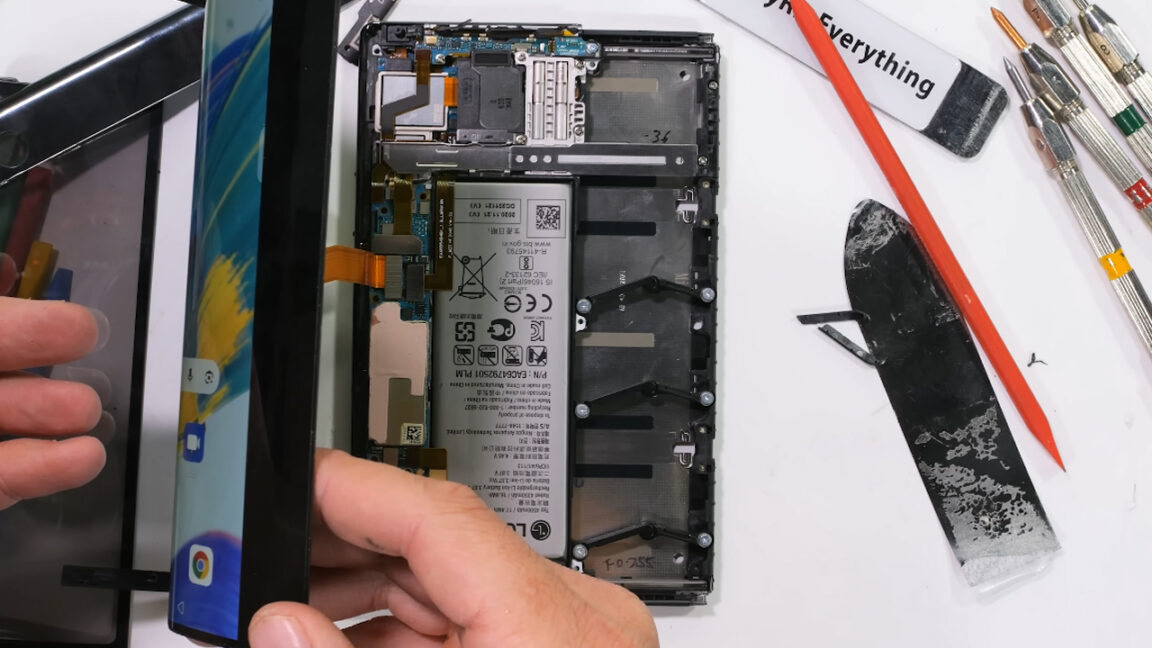
A fresh teardown of LG's unreleased rollable smartphone from 2021 exposes the mechanical nightmares that doomed the concept to obscurity. Engineers at iFixit sliced open the prototype, revealing a complex roller mechanism prone to jamming, uneven tension, and fragility under daily use—issues that explain why no major vendor has shipped a rollable phone since.
LG poured years into this 6.8-inch device, which expanded to 7.4 inches via a motorized flexible OLED panel. The teardown highlights the motor's vulnerability: a tiny stepper jammed by debris or wear, halting the roll entirely. LG even included a manual override string, a desperate hack underscoring production unreadiness.
These findings arrive as foldables dominate premium Android sales, with Samsung shipping over 10 million Galaxy Z units last year. Rollables promised smoother expansion without creases, but the teardown's X-rays show motor housings warping under torque and batteries squeezed into awkward spaces, compromising capacity and safety.
Cost compounds the problem. LG's prototype demanded custom actuators and reinforced hinges priced beyond mass-market viability—estimates pegged retail at $2,000-plus. No wonder LG abandoned phones altogether in 2021, folding the tech into TVs instead.
Samsung and Motorola toy with rollables in patents, but this teardown serves as a stark warning. Durability tests showed the screen delaminating after 100,000 cycles, far short of foldable benchmarks. Without breakthroughs in nanomaterials or piezoelectrics, rollables risk remaining lab curiosities.
The industry shifts toward tri-fold designs and ultra-thin glass. LG's relic proves form-factor innovation demands ruthless engineering trade-offs—prioritizing reliability over novelty. Expect rollables to stay shelved until costs halve and jams become history.
LG poured years into this 6.8-inch device, which expanded to 7.4 inches via a motorized flexible OLED panel. The teardown highlights the motor's vulnerability: a tiny stepper jammed by debris or wear, halting the roll entirely. LG even included a manual override string, a desperate hack underscoring production unreadiness.
These findings arrive as foldables dominate premium Android sales, with Samsung shipping over 10 million Galaxy Z units last year. Rollables promised smoother expansion without creases, but the teardown's X-rays show motor housings warping under torque and batteries squeezed into awkward spaces, compromising capacity and safety.
Cost compounds the problem. LG's prototype demanded custom actuators and reinforced hinges priced beyond mass-market viability—estimates pegged retail at $2,000-plus. No wonder LG abandoned phones altogether in 2021, folding the tech into TVs instead.
Samsung and Motorola toy with rollables in patents, but this teardown serves as a stark warning. Durability tests showed the screen delaminating after 100,000 cycles, far short of foldable benchmarks. Without breakthroughs in nanomaterials or piezoelectrics, rollables risk remaining lab curiosities.
The industry shifts toward tri-fold designs and ultra-thin glass. LG's relic proves form-factor innovation demands ruthless engineering trade-offs—prioritizing reliability over novelty. Expect rollables to stay shelved until costs halve and jams become history.
LGRollable PhonesFlexible DisplaysHardware Teardown