Rocket Lab announced an $8 billion acquisition of Iridium Communications to own an 80-satellite network and launch its own satellite internet service. The deal positions the launch company against Starlink and Amazon's Leo while expanding its reach into device communications, IoT, and military contracts.
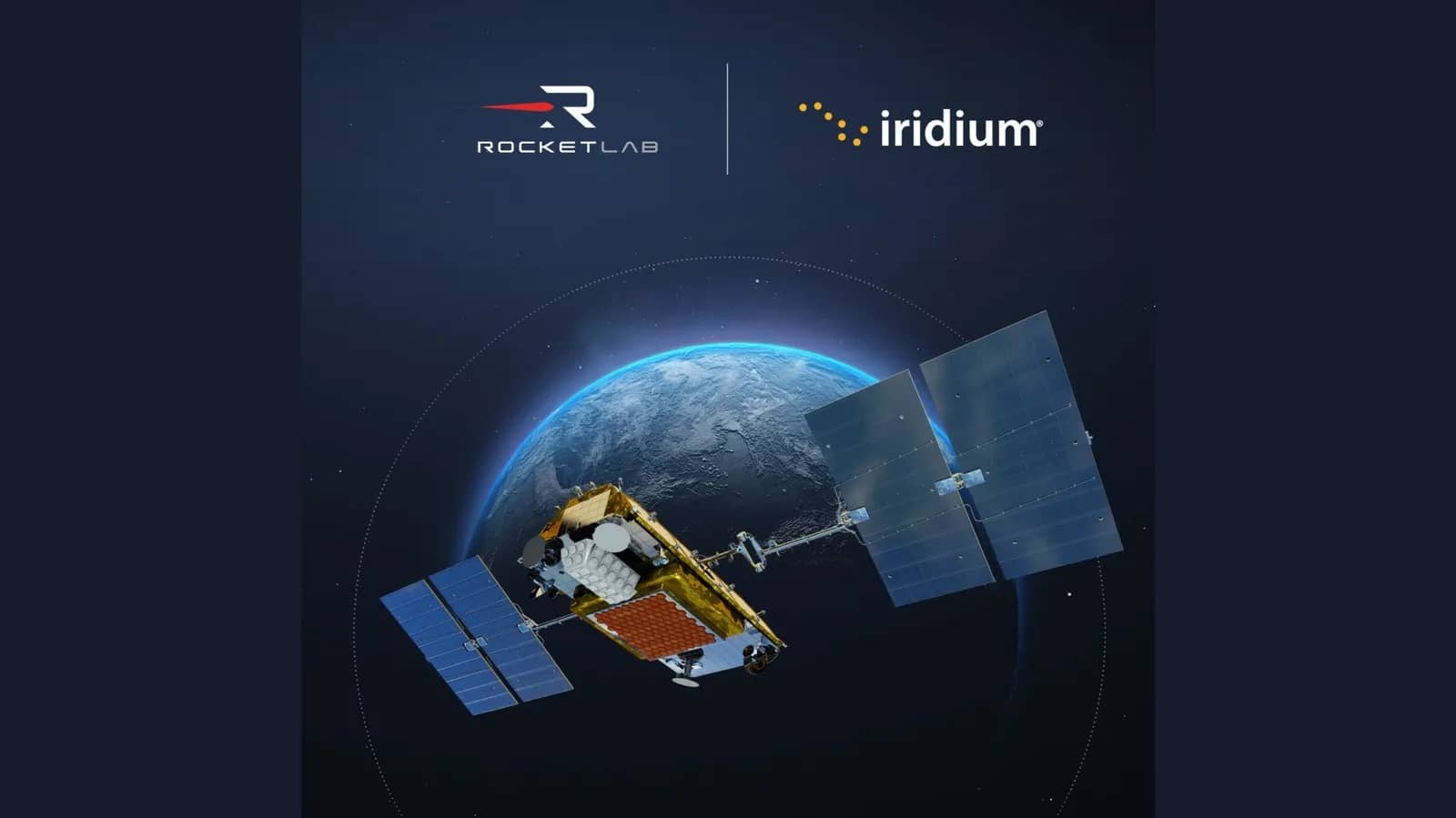
Rocket Lab aims to create its own satellite internet network to compete with SpaceX's Starlink.
https://x.com/RocketLab/status/2071552739608531008
The deal mirrors a trend among would-be rivals that have bought extra capacity after Starlink's growing adoption and SpaceX's rising valuation.
Tap a lens to see what this story means for you.
Liked this? The Brief brings you the whole day in tech, verified, every morning.
Two minutes, free forever. What's in The Brief →
See what’s happening right now
The Feed runs all day — short, verified briefs the moment they break.
Open the FeedFollow @thecircuitry_
Every story we publish, as it happens. No noise between.
Reader-supported
The Circuitry is a passion project I've always wanted to build, and I love the work behind it.
Running it costs real money. APIs, hosting, time. To keep improving the site and growing this into something useful for everyone, those costs have to be covered.
Any contribution is appreciated. If not, no pressure. Thanks for reading.
Advanced Micro Devices plans to buy World Labs for roughly US$8.2 billion using stock only. This acquisition provides access to 3D modeling technology meant to inform the development of new hardware, software, and systems.
SpaceX has completed its $60 billion acquisition of AI coding startup Cursor, granting the company access to the world's largest GPU fleet for lower-cost model development. The deal, which began with an April partnership and follows SpaceX's merger with xAI, has already produced Grok 4.5 and 4.6 focused on coding and real-world tasks.
Ecolab agreed to purchase CoolIT Systems from KKR for about $4.75 billion in cash to expand its offerings in AI data center liquid cooling. The business is forecast to add approximately $550 million in sales over the next year and become accretive to earnings by 2028.
Amazon Leo has reached 396 operational satellites after its final Atlas 5 launch, clearing the way for initial commercial broadband service later in 2026. The network will compete with Starlink in limited latitudes at first while scaling toward full deployment by mid-2029.
Japan is preparing a subsidy for a Rakuten-led low-Earth orbit satellite project to create a domestic direct-to-mobile network. The effort seeks to cut reliance on foreign providers for disaster response, remote coverage, and future infrastructure.