Amazon Leo has reached 396 operational satellites after its final Atlas 5 launch, clearing the way for initial commercial broadband service later in 2026. The network will compete with Starlink in limited latitudes at first while scaling toward full deployment by mid-2029.
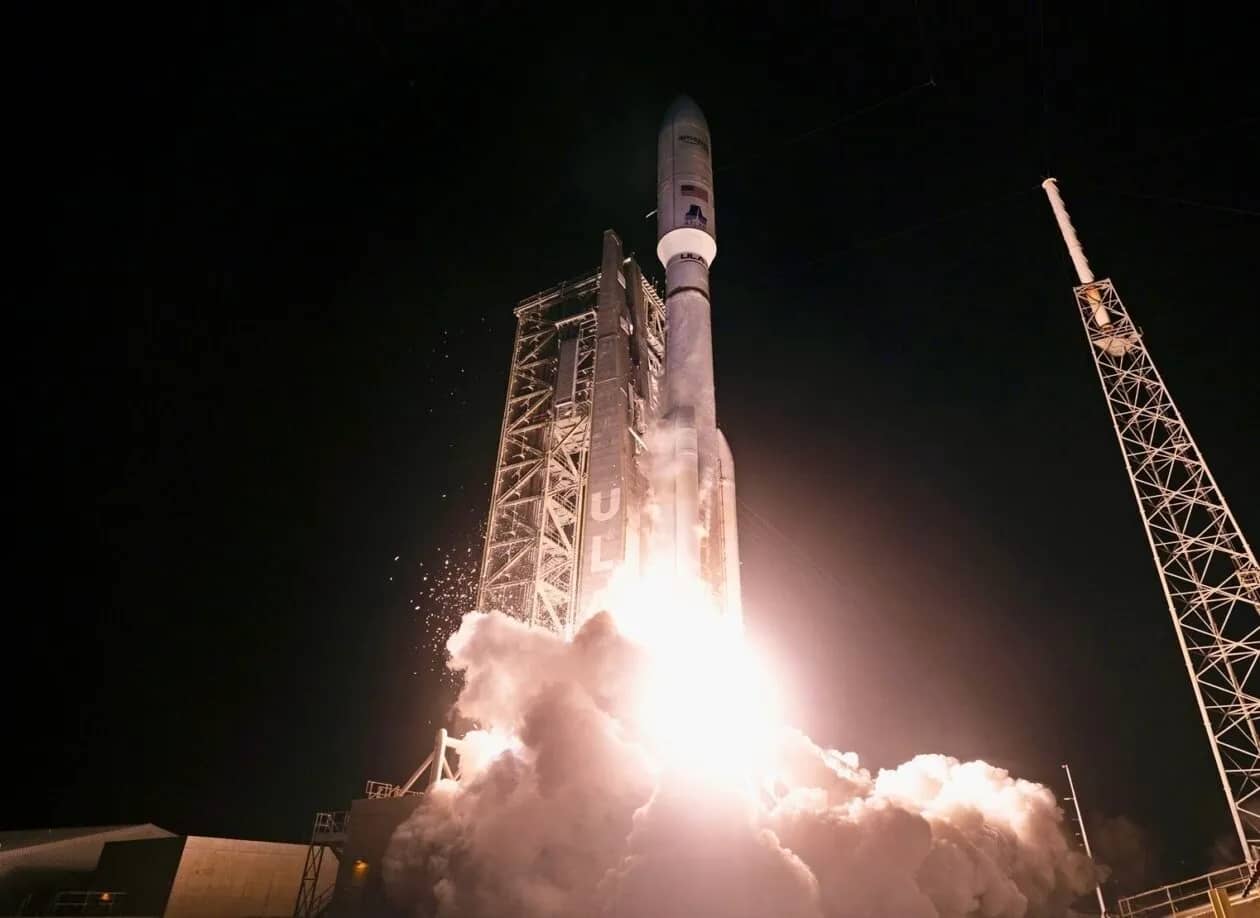
Amazon has conducted months of beta testing with a select group of customers, but connectivity has not been continuous because of sparse orbital coverage.
https://x.com/ulalaunch/status/2072555947008967046
In the direct-to-device satellite services market, Amazon is targeting the same segment SpaceX plans to expand.
Tap a lens to see what this story means for you.
Liked this? The Brief brings you the whole day in tech, verified, every morning.
Two minutes, free forever. What's in The Brief →
See what’s happening right now
The Feed runs all day — short, verified briefs the moment they break.
Open the FeedFollow @thecircuitry_
Every story we publish, as it happens. No noise between.
Reader-supported
The Circuitry is a passion project I've always wanted to build, and I love the work behind it.
Running it costs real money. APIs, hosting, time. To keep improving the site and growing this into something useful for everyone, those costs have to be covered.
Any contribution is appreciated. If not, no pressure. Thanks for reading.
Amazon delivery drivers will reportedly soon wear smart glasses that capture several thousand photos per shift for upload to an AI platform. Customers will have no opt-out, viewing, or deletion rights over the images.
Amazon will purchase a NT$1.59 billion stake in Taiwanese PCB maker Gold Circuit Electronics. The investment upgrades the cloud provider from customer to shareholder in a key AI server component supplier.
SpaceX Starship reached orbit for the first time on its 14th test flight from Texas on September 28 despite an early engine shutdown. The vehicle is expected to complete six orbits over 10 hours and deploy 26 Starlink V3 satellites before Pacific splashdown.
Amazon has added persistent memory and 24/7 automation workflows to Seller Assistant along with a plugin for Amazon Quick and Anthropic’s Claude. The changes let sellers run Amazon-specific tasks inside the AI tools they already use while keeping data inside Amazon infrastructure.
Amazon has blocked Meta's Muse AI agent from shopping on its platform after requesting voluntary exclusion, citing privacy and security risks. The conflict reflects rising tensions between AI developers and major online retailers over data access and transparency.