
By Xavier Rivera· ·1.5 min read
Apple Halves iPhone Ultra Orders as Samsung Secures Key Win
Apple slashes iPhone Ultra production forecasts to 13-15 million units from 30 million, citing low demand expectations for its foldable flagship. Samsung wins priority display supply as Apple bows to its folding tech lead, reshaping competition in the nascent foldables market.
Source:9to5Mac
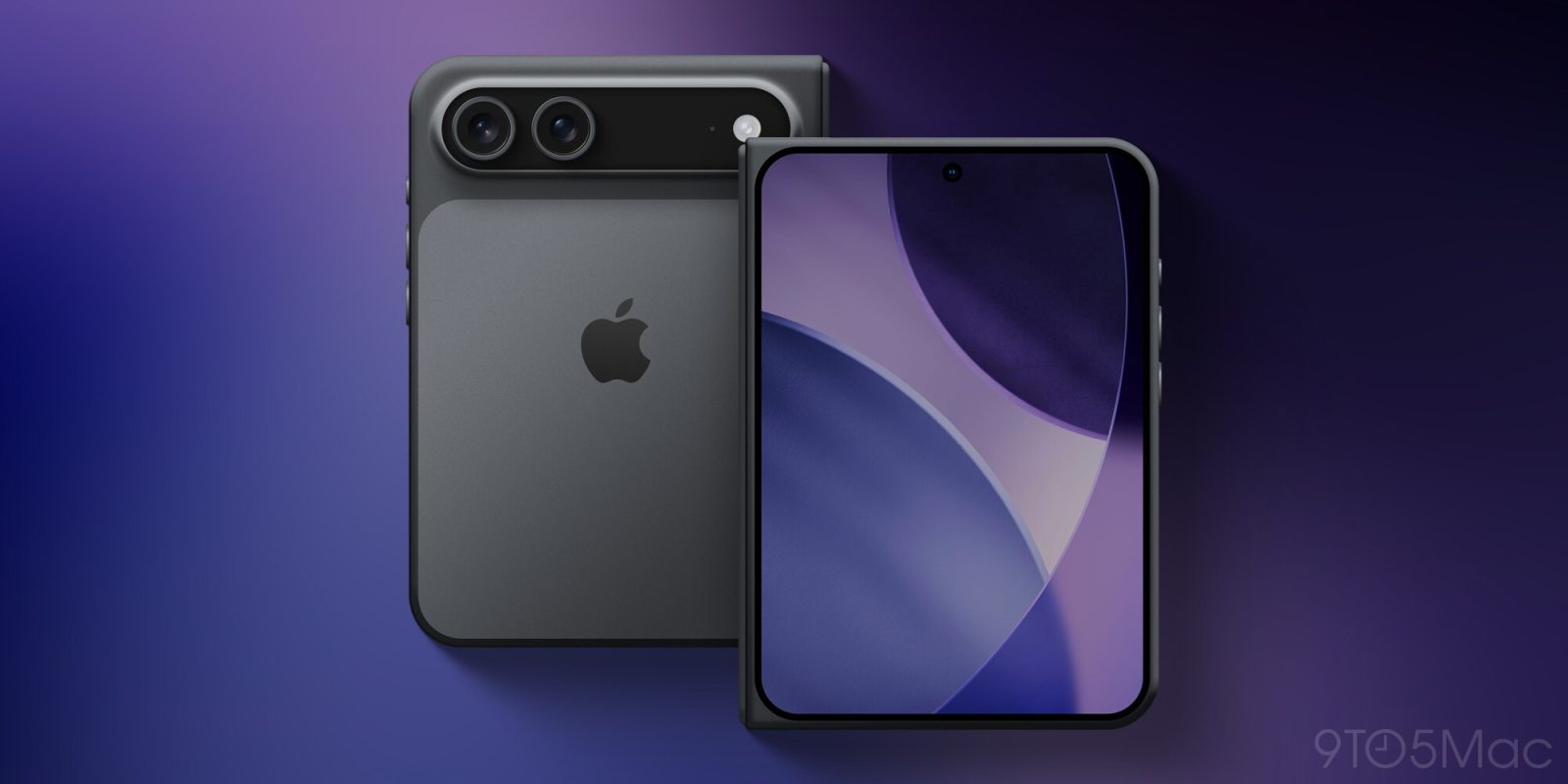
Apple instructs manufacturing partners to prepare for half the originally planned iPhone Ultra units, signaling deep caution over demand for its priciest smartphone ever.
A fresh report from analyst Ming-Chi Kuo reveals Apple has revised downward its shipment forecasts for the rumored iPhone Fold—also dubbed iPhone Ultra—from 30 million units to just 13-15 million in the first year. This foldable flagship, expected to launch later this year with a price tag north of $1,500, faces an uphill battle in a market where premium foldables remain niche despite years of hype.
Samsung capitalizes on its dominance in advanced folding displays, wresting a major concession from Apple on supply terms. The Korean giant, supplier of the iPhone Ultra's main display, secures priority allocation of its cutting-edge panels, sidelining competitors like BOE. This edge stems from Samsung's years-ahead technology in ultra-thin glass and hinge mechanisms, areas where Apple still plays catch-up.
Apple's restraint underscores foldables' stubborn sales reality: global shipments barely cracked 20 million last year, per Counterpoint Research, versus hundreds of millions of slab phones. Consumers balk at crease lines, durability worries, and prices 50% above standard flagships. For Apple, entering late risks ceding ground to Samsung's Galaxy Z Fold and Flip lines, which command 60% market share.
This supply chain pivot disrupts partners like Foxconn and Pegatron, who geared up for volume. It also spotlights Apple's data-driven pragmatism—internal surveys reportedly show tepid U.S. interest, its core market.
Expect ripple effects: Samsung strengthens its leverage across Apple's lineup, while foldable prices may stay elevated without Apple's scale. If the iPhone Ultra underperforms, it could delay Apple's next-gen ambitions—or force aggressive pricing to ignite demand.
A fresh report from analyst Ming-Chi Kuo reveals Apple has revised downward its shipment forecasts for the rumored iPhone Fold—also dubbed iPhone Ultra—from 30 million units to just 13-15 million in the first year. This foldable flagship, expected to launch later this year with a price tag north of $1,500, faces an uphill battle in a market where premium foldables remain niche despite years of hype.
Samsung capitalizes on its dominance in advanced folding displays, wresting a major concession from Apple on supply terms. The Korean giant, supplier of the iPhone Ultra's main display, secures priority allocation of its cutting-edge panels, sidelining competitors like BOE. This edge stems from Samsung's years-ahead technology in ultra-thin glass and hinge mechanisms, areas where Apple still plays catch-up.
Apple's restraint underscores foldables' stubborn sales reality: global shipments barely cracked 20 million last year, per Counterpoint Research, versus hundreds of millions of slab phones. Consumers balk at crease lines, durability worries, and prices 50% above standard flagships. For Apple, entering late risks ceding ground to Samsung's Galaxy Z Fold and Flip lines, which command 60% market share.
This supply chain pivot disrupts partners like Foxconn and Pegatron, who geared up for volume. It also spotlights Apple's data-driven pragmatism—internal surveys reportedly show tepid U.S. interest, its core market.
Expect ripple effects: Samsung strengthens its leverage across Apple's lineup, while foldable prices may stay elevated without Apple's scale. If the iPhone Ultra underperforms, it could delay Apple's next-gen ambitions—or force aggressive pricing to ignite demand.
AppleSamsungiPhone UltraFoldables