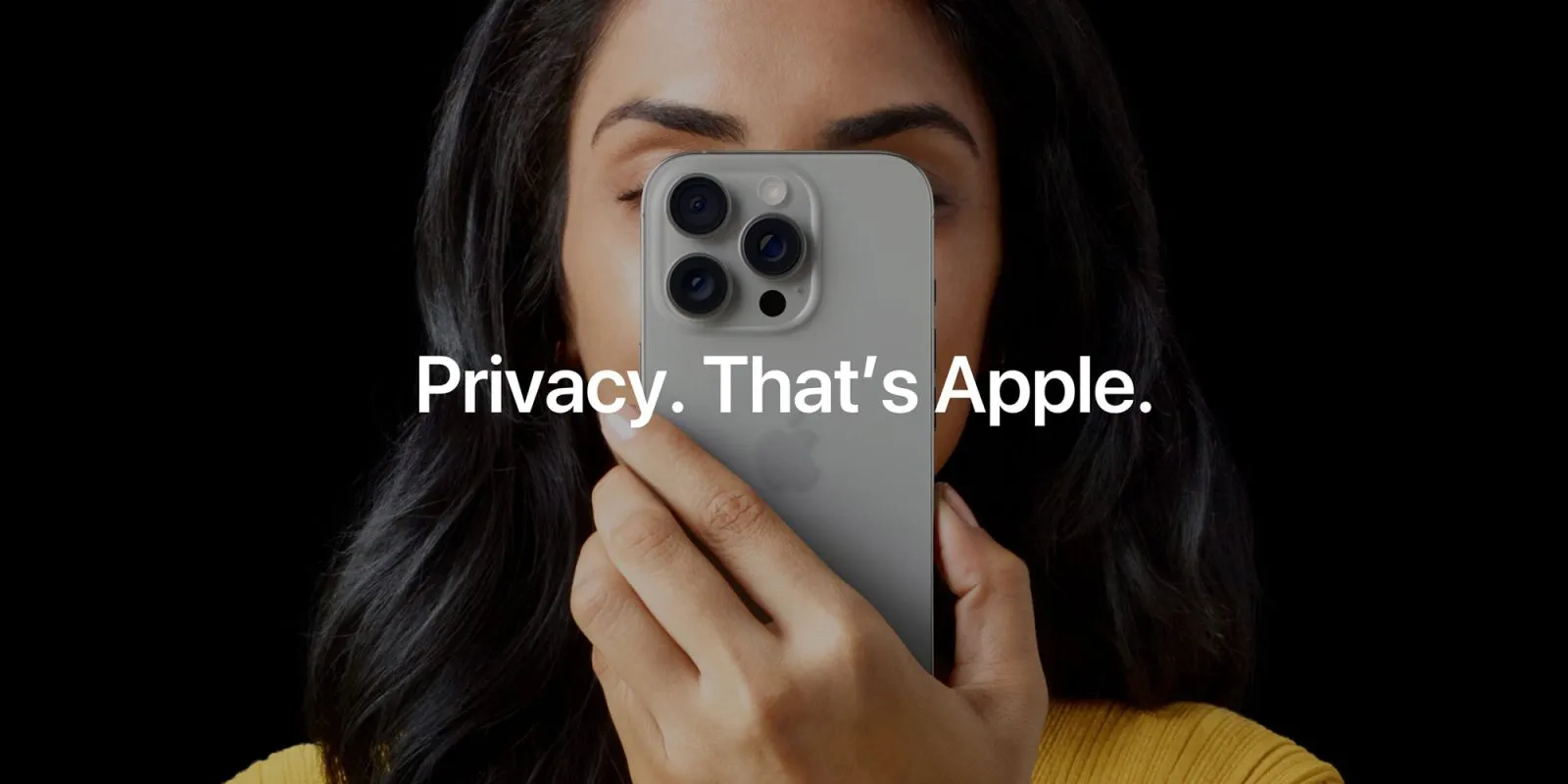
Apple and Meta are publicly opposing Canada's Bill C-22, arguing it could compel them to break encryption or create backdoors in their products. The opposition underscores the companies' longstanding refusal to weaken security features despite pressure from governments seeking expanded law enforcement access.
Tap a lens to see what this story means for you.
Liked this? The Brief brings you the whole day in tech, verified, every morning.
Two minutes, free forever. What's in The Brief →
See what’s happening right now
The Feed runs all day — short, verified briefs the moment they break.
Open the FeedFollow @thecircuitry_
Every story we publish, as it happens. No noise between.
Reader-supported
The Circuitry is a passion project I've always wanted to build, and I love the work behind it.
Running it costs real money. APIs, hosting, time. To keep improving the site and growing this into something useful for everyone, those costs have to be covered.
Any contribution is appreciated. If not, no pressure. Thanks for reading.
Meta allows users to opt out of using visual data from its smart glasses for AI training. The change prevents images from being reviewed by contractors and addresses ongoing privacy concerns.
Four Apple-related stories broke on September 23 covering software betas, hardware rumors, automotive partnerships, and visitor-center changes. The updates reflect ongoing product refinements and strategic shifts at the company.
Apple's refreshed Mac mini with M6 and M5 Pro chips and Mac Studio with M5 Max and M5 Ultra chips launch on Tuesday, September 22 after last month's announcement and pre-orders that opened August 25. The models receive only spec bumps with no major design changes.
Retail stores worldwide began selling Apple’s iPhone 18 Pro and Pro Max alongside the Apple Watch Series 12, Ultra 4 and AirPods 5 on September 18, 2026, with CEO John Ternus leading launch events at flagship locations.
Apple has released macOS Golden Gate 27, introducing Siri AI, Visual Intelligence, enhanced photo editing, Safari tools, natural language Shortcuts, design refinements, new child safety features, and performance improvements. The update is available only on Apple silicon Macs via System Settings and marks the first time Visual Intelligence reaches the desktop platform.