Bentley will reveal its first battery-electric SUV, the Torcal, on September 23, 2026, in London while deliberately stressing heritage over the powertrain. The launch occurs amid a steep drop in luxury EV interest that has already forced rivals to cut or postpone programs and prompted Bentley to delay full electrification until 2035.
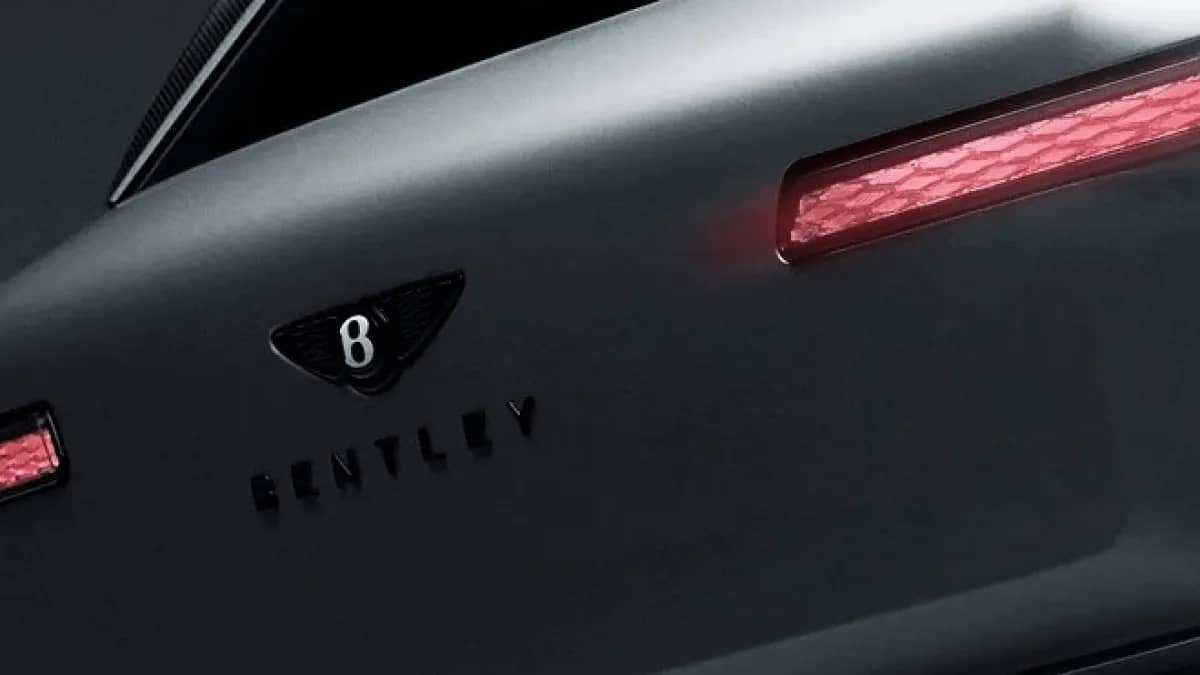
Design director Robin Page told Autocar that clientele consider 480 to 560 kilometers adequate, beyond which “they will take the private jet.”
The Torcal therefore serves as a low-risk probe of Bentley’s traditional customers’ readiness for full electrification while the company retains familiar styling cues.
Tap a lens to see what this story means for you.
Liked this? The Brief brings you the whole day in tech, verified, every morning.
Two minutes, free forever. What's in The Brief →
See what’s happening right now
The Feed runs all day — short, verified briefs the moment they break.
Open the FeedFollow @thecircuitry_
Every story we publish, as it happens. No noise between.
Reader-supported
The Circuitry is a passion project I've always wanted to build, and I love the work behind it.
Running it costs real money. APIs, hosting, time. To keep improving the site and growing this into something useful for everyone, those costs have to be covered.
Any contribution is appreciated. If not, no pressure. Thanks for reading.
A roundup of electric mobility news on September 5, 2026 highlights the August 11 bankruptcy at Accell Group and July 29 judicial recovery for CactUs Lock, a prominent charging myth on French radio, solar battery test results, and a policy reversal on Tesla FSD following July resistance. These stories illustrate ongoing financial fragility, public misunderstanding of EV best practices, and evolving regulatory attitudes across Europe.
Kia will stop building its K9 luxury sedan after 14 years to concentrate on smaller, more affordable electric vehicles. The model launched in 2012 as successor to the Opirus; sales have declined since 2022 and are projected to reach an all-time low in 2026.
Stellantis will offer its future 2CV-inspired small city cars exclusively as electric models, dropping previously promised hybrid and combustion options. The move, set for 2028 launch at under €15,000, is driven by development costs and new EU CO2 calculation rules that favor small EVs.
BMW has launched the iX5, its first electric X5 that shares a multi-energy platform with gasoline, diesel, plug-in hybrid and hydrogen variants while promising 845 km range and a 23-minute recharge. The large SUV adopts Neue Klasse styling, panoramic screens and premium interior materials on dimensions of 4.99 m long.
Rivian laid off hundreds of workers in its service and customer organization on Tuesday, less than 2% of its roughly 15,200-person workforce, one week after beginning R2 SUV deliveries. The move aims to narrow losses as the unprofitable company ramps production of its mainstream model amid a tougher EV market and the loss of federal purchase incentives.