The Circuitry
THE CIRCUITRYYour one-stop source for all tech news
HOMETODAYNEWSFEEDEVENTS
BOOKMARKS
RSS
© 2026 The Circuitry
About UsSourcesContactCorrectionsPrivacy
  • Today
  • Feed
  • Events
  • Saved
  • AAPL
  • MSFT
  • GOOGL
  • META
  • NVDA
  • TSLA
  • AMZN
  • INTC
  • SONY
  • TTWO
  • COIN
  • BTC
  • ETH
  • SOL
  • AAPL
  • MSFT
  • GOOGL
  • META
  • NVDA
  • TSLA
  • AMZN
  • INTC
  • SONY
  • TTWO
  • COIN
  • BTC
  • ETH
  • SOL

Feed

Ad
From The CircuitryVerified tech news, cross-checked.How we verify →
  • Critical heap overflow flaw hits D-Link DIR-878 routerSecurity
  • Rnlab Mobile Builder plugin hit by privilege-escalation flaw up to 1.4.2Security
  • CISA adds two exploited Ivanti Connect Secure flaws to KEVSecurity
  • WPO365 Microsoft 365 Graph Mailer plugin vulnerable to stored XSS through 6.2Security
  • Critical TFTP Flaw Hits D-Link DIR-505 Firmware 1.10B02Security
  • Rocket Lab posts $268 million in third-quarter revenueTech
  • Anthropic launches Claude Sheets and Whiteboards in betaTech
  • Eight Mile Style alleges Suno infringed 269 Eminem compositionsTech
  • N-able releases N-central 2026.4 Hotfix 2, a critical security updateTech
  • Microsoft says an Outlook spoofing flaw is already exploitedSecurity
  • Microsoft lists 1,094 flaws in the November security updatesSecurity
  • Nvidia donates OpenShell to the cloud-native foundationTech
  • FDA requires GLP-1 labels to warn of a rare vision-loss riskTech
Scroll for more
Verification
VERIFIEDConfidence: HIGH
Source identified
Claims cross-referenced
No discrepancies found
Fact-check summary

Microsoft's Security Update Guide confirms CVE-2026-77900, a critical 9.8 CVSS RCE in Azure App Service for Linux due to missing authentication.

Sourcing
1source

via NVD

NVD · track record
102Stories
100%Verified
4830d
All sources →
Markets
MSFT···

Live quote · not investment advice

Ad
From The CircuitryWhy The Circuitry

Verified tech news, cross-checked.

Every story is checked against independent sources before it posts — no rumors dressed up as fact.

How we verify →
From The CircuitryWhy The Circuitry

Verified tech news, cross-checked.

Every story is checked against independent sources before it posts — no rumors dressed up as fact.

How we verify →
Home/Security/Critical CVE-2026-77900 Hits Microsoft Azure App Service for Linux
VERIFIEDBy Xavier Rivera·Thursday, October 8, 2026 at 7:42 PM AST·1 min read

Critical CVE-2026-77900 Hits Microsoft Azure App Service for Linux

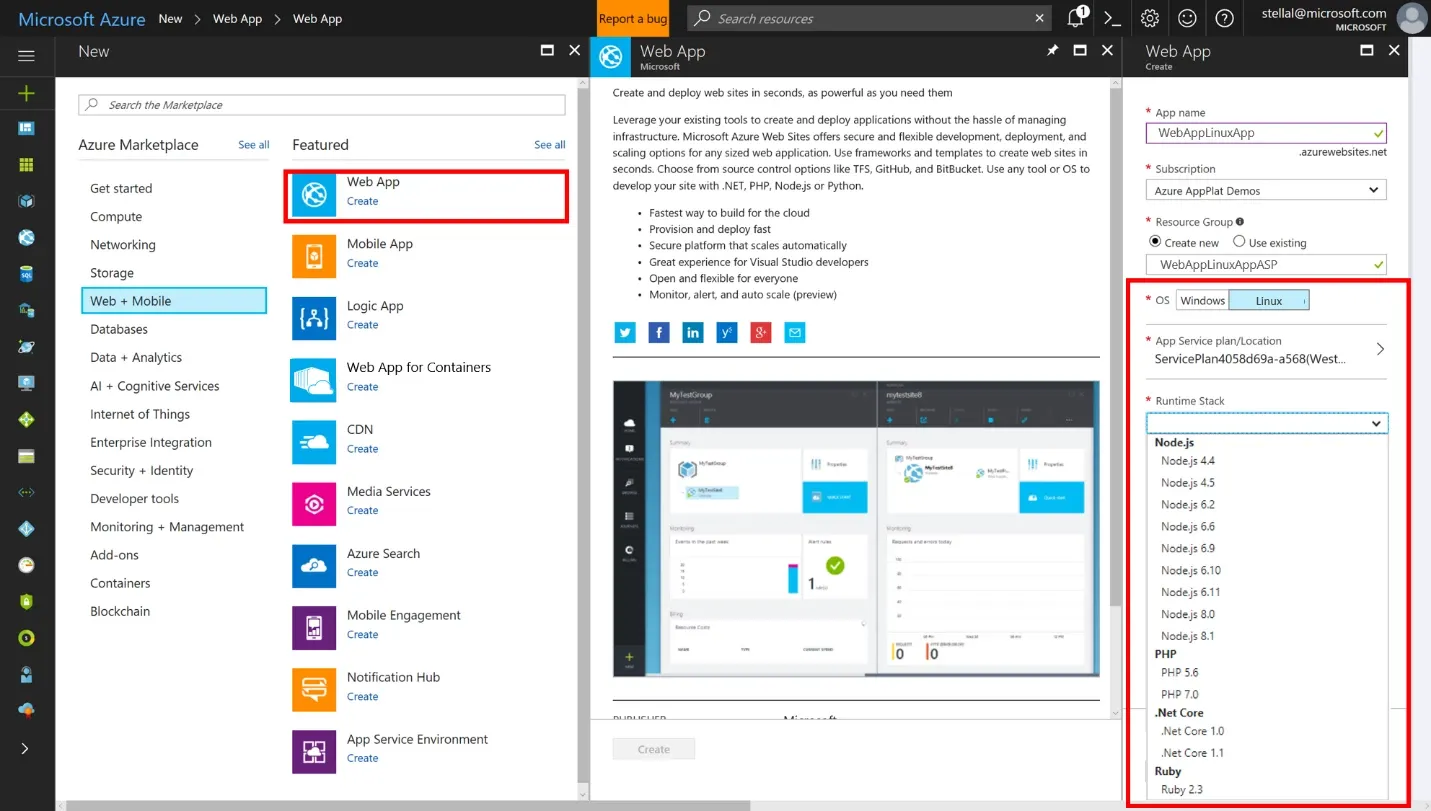
A critical vulnerability CVE-2026-77900 affects Microsoft Azure App Service for Linux with a CVSS score of 9.8. The flaw allows an unauthenticated attacker to execute code over the network. Microsoft says it has already fully mitigated the flaw; no customer action is needed.
Source:NVD
Post
Critical CVE-2026-77900 Hits Microsoft Azure App Service for Linux
Ad
From The CircuitryVerified tech news, cross-checked.How we verify →
Ad
From The CircuitryWhy The Circuitry

Verified tech news, cross-checked.

Every story is checked against independent sources before it posts — no rumors dressed up as fact.

How we verify →
TL;DRAI · 60 sec read

Microsoft Azure App Service for Linux contains critical vulnerability CVE-2026-77900. The issue carries a CVSS score of 9.8 and the National Vulnerability Database rates it critical. It stems from missing authentication for a critical function. An unauthorized attacker can execute code over a network without privileges or user interaction. Microsoft says it has already fully mitigated the flaw; no customer action is needed.

Microsoft Azure App Service for Linux contains a critical vulnerability tracked as CVE-2026-77900.
An unauthorized attacker can execute code over a network.
The flaw carries a CVSS score of 9.8. The National Vulnerability Database rates the issue critical. It stems from missing authentication for a critical function.

An unauthorized attacker can execute code over a network. The vulnerability requires no privileges or user interaction. Attackers can reach the affected service directly across the network.
Microsoft says it has already fully mitigated the flaw; no customer action is needed.

Microsoft says no customer action is needed. Microsoft says it has already fully mitigated the flaw; no customer action is needed. Its Security Update Guide entry says Microsoft published the CVE for transparency, and it lists the flaw as not publicly disclosed and not exploited. The record was published on October 8, 2026.
Ad
From The CircuitryWhy The Circuitry

Verified tech news, cross-checked.

Every story is checked against independent sources before it posts — no rumors dressed up as fact.

How we verify →
Why this mattersAI · ~100 words

Tap a lens to see what this story means for you.

Morning Brief

Liked this? The Brief brings you the whole day in tech, verified, every morning.

Two minutes, free forever. What's in The Brief →

Reader-supported
DonateBuy me a coffee →Follow@thecircuitry_ →Follow@thecircuitry.to →
HELP US IMPROVE
From The Circuitry

See what’s happening right now

The Feed runs all day — short, verified briefs the moment they break.

Open the Feed →
From The Circuitry

Follow @thecircuitry_

Every story we publish, as it happens. No noise between.

Follow on X ↗On Bluesky ↗

Reader-supported

The Circuitry is a passion project I've always wanted to build, and I love the work behind it.

Running it costs real money. APIs, hosting, time. To keep improving the site and growing this into something useful for everyone, those costs have to be covered.

Any contribution is appreciated. If not, no pressure. Thanks for reading.

Buy me a coffee
securityazurevulnerability
More fromNVD
  • NVD publishes unauthenticated SAP flaws, with no base scores yet

    Tech · 22h
  • CISA adds an exploited IBM Aspera Faspex bug due November 12

    Tech · 1d
  • Critical heap overflow flaw hits D-Link DIR-878 router

    Tech · 1d
More inTech
  • Rocket Lab posts $268 million in third-quarter revenue

    Tech · 4m
  • Anthropic launches Claude Sheets and Whiteboards in beta

    Tech · 4m
  • Eight Mile Style alleges Suno infringed 269 Eminem compositions

    Tech · 1h
SupportThe Work

The Circuitry is reader-supported. If you find the daily brief useful, you can buy me a coffee to keep it going.

Buy a coffee →
Ad
From The CircuitryWhy The Circuitry

Verified tech news, cross-checked.

Every story is checked against independent sources before it posts — no rumors dressed up as fact.

How we verify →
From The CircuitryWhy The Circuitry

Verified tech news, cross-checked.

Every story is checked against independent sources before it posts — no rumors dressed up as fact.

How we verify →

MORE IN THIS BEAT

All Tech →
  • Tech·Nov 9

    Critical heap overflow flaw hits D-Link DIR-878 router

    A critical heap-based buffer overflow affects the D-Link DIR-878 on firmware 1.20B05 through the HNAP Handler. The flaw allows remote unauthenticated attacks and has a public exploit available.

  • Tech·Nov 4

    Rnlab Mobile Builder plugin hit by privilege-escalation flaw up to 1.4.2

    The Mobile Builder plugin for WordPress contains a privilege-escalation vulnerability in versions up to and including 1.4.2 that lets authenticated attackers grant themselves administrator rights. The flaw is tracked as CVE-2026-104799 and carries a CVSS 3.1 score of 8.8 from the CNA.

  • Tech·Nov 3

    CISA adds two exploited Ivanti Connect Secure flaws to KEV

    CISA added Ivanti Connect Secure flaws CVE-2026-111357 and CVE-2026-118527 to its Known Exploited Vulnerabilities catalog on October 30. Ivanti says attackers chained them with CVE-2026-104935. Fixes are in 25.1.1.3 and 22.8R2.6.

  • Tech·Nov 3

    WPO365 Microsoft 365 Graph Mailer plugin vulnerable to stored XSS through 6.2

    The WPO365 Microsoft 365 Graph Mailer WordPress plugin is vulnerable to stored cross-site scripting in versions through 6.2. Unauthenticated attackers can inject scripts via any mail-sending feature that accepts a submitter-controlled subject when OAuth setup is incomplete.

  • Tech·Nov 3

    Critical TFTP Flaw Hits D-Link DIR-505 Firmware 1.10B02

    CVE-2026-120189 is a stack-based buffer overflow in the TFTP upload filename handler of D-Link DIR-505 firmware 1.10B02. It can be exploited remotely, a public exploit exists, and VulDB rates it CVSS 3.1 10.0.