The Circuitry
THE CIRCUITRYYour one-stop source for all tech news
HOMETODAYNEWSFEEDEVENTS
BOOKMARKS
RSS
© 2026 The Circuitry
About UsSourcesContactCorrectionsPrivacy
  • Today
  • Feed
  • Events
  • Saved
Scroll for more
Verification
VERIFIEDConfidence: HIGH
Source identified
Claims cross-referenced
No discrepancies found
Fact-check summary

Krebs on Security (Sep 1) and Dexerto (Sep 2) confirm the FBI probe into 153M+ drivers license scans sold on dark web service Nexus from IDScan.net breach.

Sourcing
3independent sources

via 9to5Mac

9to5Mac · track record
83Stories
100%Verified
830d
All sources →
From The CircuitryWhy The Circuitry

Verified tech news, cross-checked.

Every story is checked against independent sources before it posts — no rumors dressed up as fact.

How we verify →
Home/Tech/FBI Probes Sale of 153M Drivers License Scans on Dark Web
VERIFIEDBy Xavier Rivera·Wednesday, September 2, 2026 at 7:33 AM EDT·2 min read

FBI Probes Sale of 153M Drivers License Scans on Dark Web

The FBI is investigating the dark web sale of scans from more than 153 million US and Canadian drivers licenses obtained via an ongoing breach at a Louisiana identity verification company. The incident underscores the lasting danger of stolen physical identity documents that cannot be reset like passwords and the growing scale of cyber-enabled identity theft.
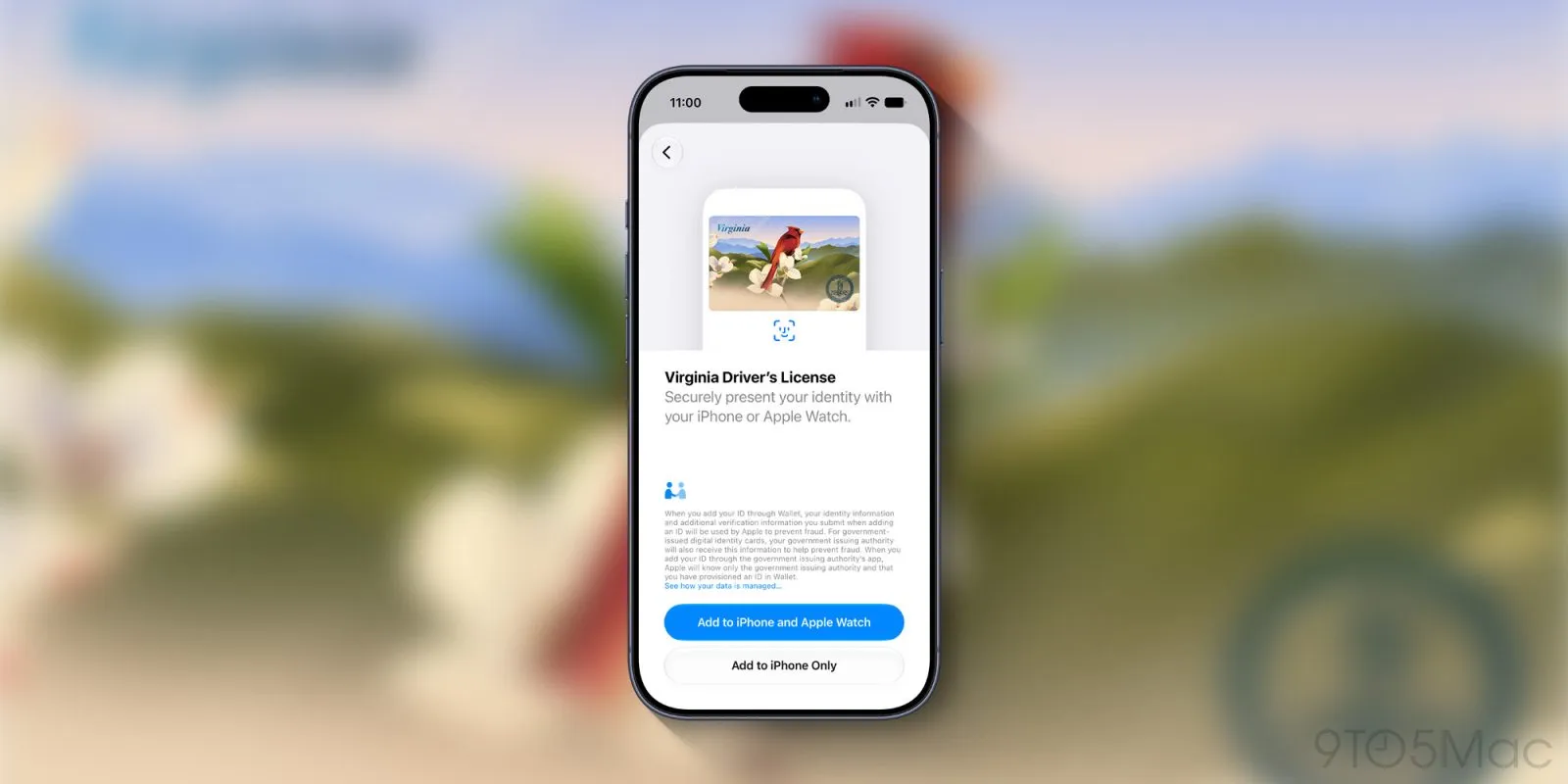
Source:9to5Mac
Post
FBI Probes Sale of 153M Drivers License Scans on Dark Web
From The CircuitryWhy The Circuitry

Verified tech news, cross-checked.

Every story is checked against independent sources before it posts — no rumors dressed up as fact.

How we verify →
TL;DRAI · 60 sec read

FBI investigates sale of 153 million US and Canadian drivers license scans on new dark web service Nexus. Hackers claim ongoing access to a Louisiana identity verification firm serving clients like Hertz and Target. The breach exposes unchangeable personal data, increasing risks of identity theft and harm to vulnerable victims.

The FBI has opened an investigation after hackers began selling digital scans of more than 153 million drivers licenses from people in the US and Canada on a new dark web service called Nexus.

Hackers claim ongoing access to a Louisiana identity verification company. The data was obtained by breaching a major identity verification firm whose customers include multiple Fortune 500 companies. Krebs on Security confirmed the authenticity of the breach after the cybercriminals provided a scan of the outlet's own driver's license, and other victims likewise verified their scans were accurate. The criminals added almost 400,000 new scans within the past 24 hours, supporting their claim of continued access.
The data was obtained by breaching a major identity verification firm whose customers include multiple Fortune 500 companies.

The company in question is based in Louisiana and its client list includes Hertz, Target, FedEx, Motorola Solutions, Jack Henry, and Caesars Entertainment. There are indications that at least some of the data was stolen from a verification service used by rental car company Hertz. According to Dexerto, the trove also includes 10 million IDs, 3 million travel documents, and 579,000 medical cards. Malwarebytes reports the seller is IDScan.net, and the company is investigating the breach.
POST FROM @9to5mac· official announcement tweet from the source outlet covering the story
https://x.com/9to5mac/status/2095111741348676057

The Nexus service launched this week on the dark web. It was first highlighted by vx-underground and advertised on the Exploit forum on August 31. The service offers front and back scans along with IR and UV images that carry timestamps matching rentals and dispensary visits. Malwarebytes notes that driver's license data is far more valuable than passwords because faces, dates of birth, and addresses cannot be reset.
From The CircuitryThe Feed — live briefs across tech, all day.See what’s happening →

The New Orleans FBI field office launched an official inquiry today. No public statement has been issued by the agency. The breach raises risks for victims including domestic violence survivors or those in witness protection programs whose photos and addresses could be used to locate them, according to Dexerto. Online scams are estimated to have cost Americans almost $150 billion last year as cyber scams continue to increase dramatically.
Malwarebytes notes that driver's license data is far more valuable than passwords because faces, dates of birth, and addresses cannot be reset.
From The CircuitryWhy The Circuitry

Verified tech news, cross-checked.

Every story is checked against independent sources before it posts — no rumors dressed up as fact.

How we verify →
The incident highlights the irony and severity of hacking an identity verification service. 9to5Mac observes that this type of breach is depressingly common. The full report from Krebs on Security contains many more details on the breach and the companies involved.
Why this mattersAI · ~100 words

Tap a lens to see what this story means for you.

Morning Brief

Liked this? The Brief brings you the whole day in tech, verified, every morning.

Two minutes, free forever. What's in The Brief →

Reader-supported
DonateBuy me a coffee →Follow@thecircuitry_ →Follow@thecircuitry.to →
HELP US IMPROVE
From The Circuitry

See what’s happening right now

The Feed runs all day — short, verified briefs the moment they break.

Open the Feed →
From The Circuitry

Follow @thecircuitry_

Every story we publish, as it happens. No noise between.

Follow on X ↗On Bluesky ↗

Reader-supported

The Circuitry is a passion project I've always wanted to build, and I love the work behind it.

Running it costs real money. APIs, hosting, time. To keep improving the site and growing this into something useful for everyone, those costs have to be covered.

Any contribution is appreciated. If not, no pressure. Thanks for reading.

Buy me a coffee
cybersecuritydata-breachidentity-theft
More from9to5Mac
  • Tech roundup: iPhone Duo repairs, OpenAI claims, Safari push

    Tech · 2d
  • Meta unveils Muse Spark Open, 816B-parameter model for M5 Ultra Mac Studio

    Tech · 2d
  • What to expect from Apple's Oct. 13 'Welcome home' event

    Tech · 5d
More inTech
  • CISA adds two actively exploited AhsayCBS flaws to KEV catalog

    Tech · 1d
  • Apple Expands App Store Rules to Block AI Deepfakes

    Tech · 1d
  • BeyondTrust Remote Support Zero-Day CVE-2026-102764 Hit in August, Now on CISA KEV

    Tech · 1d
SupportThe Work

The Circuitry is reader-supported. If you find the daily brief useful, you can buy me a coffee to keep it going.

Buy a coffee →
From The CircuitryWhy The Circuitry

Verified tech news, cross-checked.

Every story is checked against independent sources before it posts — no rumors dressed up as fact.

How we verify →

MORE IN THIS BEAT

All Tech →
  • Tech·Sep 7

    Mathspace breach exposes data of 1,079,819 users

    Mathspace disclosed that attackers stole personal data belonging to 1,079,819 students, staff, and parents or guardians in Australia and New Zealand after breaching its Metabase system. The incident is the latest in a campaign exploiting a Metabase zero-day vulnerability used by multiple companies.

  • Tech·Aug 27

    Carhartt data breach exposes 12.9 million accounts

    ShinyHunters published data from 12.9 million genuine Carhartt accounts after the apparel company refused a $3.3 million ransom. The breach, which also exposed records for more than 15,000 employees, originated from Carhartt's Databricks analytics platform.

  • Tech·Aug 15

    ShinyHunters Extortion Gang Leaks Data from 1.6 Million RingCentral Accounts

    ShinyHunters obtained and later leaked personal data belonging to 1.6 million RingCentral accounts after a July breach. The incident touched only a limited portion of the cloud communications provider’s customers and left core services untouched.

  • Tech·Jul 8

    KDDI breach hits email platform used by five Japanese ISPs

    KDDI disclosed that attackers breached an email platform used by five Japanese ISPs, exposing email addresses of 12,233,087 people and passwords of 7,616,173 others via a zero-day vulnerability first exploited on May 16. The company is forcing password changes and has deployed new detection tools after notifying regulators, with no confirmed secondary damage reported.

  • Tech·Oct 8

    Anthropic Launches Cyber Mission to Secure Infrastructure and Open-Source Code

    Anthropic has launched the Anthropic Cyber Mission to support defenders of critical infrastructure and open-source software with models, engineers, and tools. The initiative starts with the Critical Infrastructure Defense Program and free OSS Scanner amid ongoing challenges in verifying and fixing vulnerabilities.