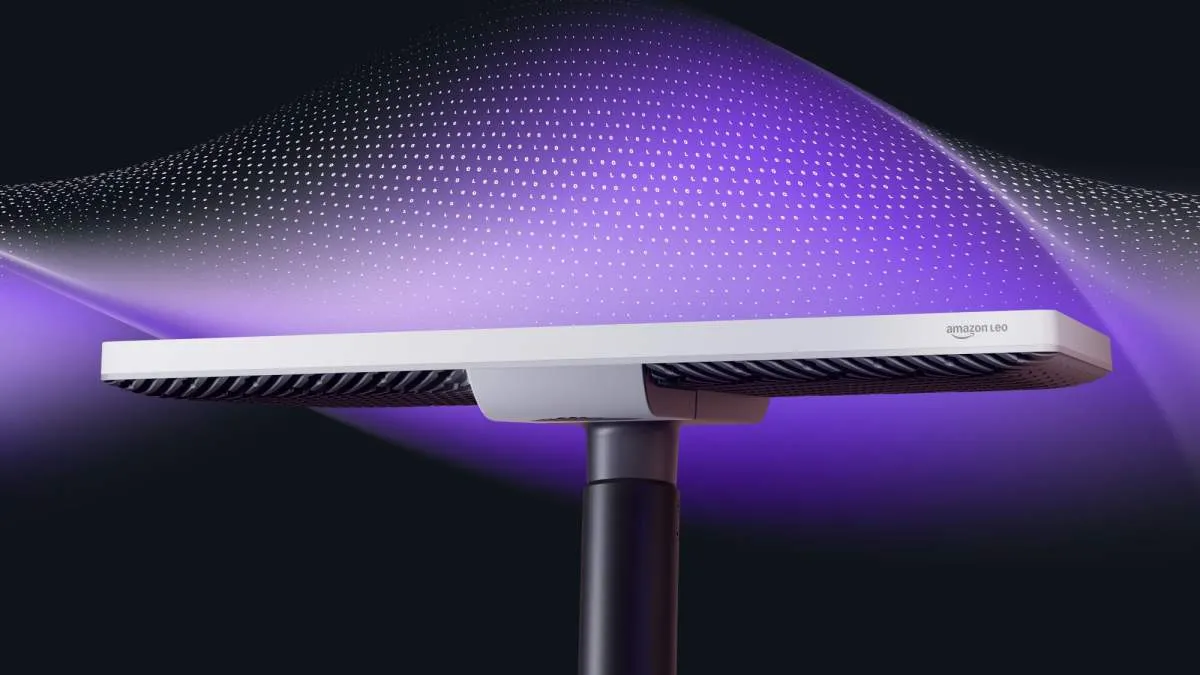
The Council of State has rejected a CFE-CGC union appeal, clearing Amazon Leo to offer satellite internet in France under a 10-year frequency authorization granted by Arcep in July 2025. The ruling removes the final legal hurdle for the Starlink rival as it prepares to launch commercially in the country, with initial service expected later in 2026 once the satellite count supports it.
The court ruled the union is not directly affected by the authorization and has not demonstrated sufficient interest to challenge it.
The price of the internet subscription and the necessary equipment remains unknown.
Tap a lens to see what this story means for you.
Liked this? The Brief brings you the whole day in tech, verified, every morning.
Two minutes, free forever. What's in The Brief →
See what’s happening right now
The Feed runs all day — short, verified briefs the moment they break.
Open the FeedFollow @thecircuitry_
Every story we publish, as it happens. No noise between.
Reader-supported
The Circuitry is a passion project I've always wanted to build, and I love the work behind it.
Running it costs real money. APIs, hosting, time. To keep improving the site and growing this into something useful for everyone, those costs have to be covered.
Any contribution is appreciated. If not, no pressure. Thanks for reading.
Amazon delivery drivers will reportedly soon wear smart glasses that capture several thousand photos per shift for upload to an AI platform. Customers will have no opt-out, viewing, or deletion rights over the images.
Amazon will purchase a NT$1.59 billion stake in Taiwanese PCB maker Gold Circuit Electronics. The investment upgrades the cloud provider from customer to shareholder in a key AI server component supplier.
Amazon has added persistent memory and 24/7 automation workflows to Seller Assistant along with a plugin for Amazon Quick and Anthropic’s Claude. The changes let sellers run Amazon-specific tasks inside the AI tools they already use while keeping data inside Amazon infrastructure.
Amazon has blocked Meta's Muse AI agent from shopping on its platform after requesting voluntary exclusion, citing privacy and security risks. The conflict reflects rising tensions between AI developers and major online retailers over data access and transparency.
Amazon is scaling Prime Air drone deliveries to nearly 500 locations while Anduril targets 1,000 engineers in Seattle and a reporter's AirTag exposed a hidden book-scanning site used for AI data. These stories illustrate the intersection of logistics, defense tech, and AI infrastructure demands in 2026.