The Circuitry
THE CIRCUITRYYour one-stop source for all tech news
HOMETODAYNEWSFEEDEVENTS
BOOKMARKS
RSS
© 2026 The Circuitry
About UsSourcesContactCorrectionsPrivacy
  • Today
  • Feed
  • Events
  • Saved
Scroll for more
Verification
VERIFIEDConfidence: HIGH
Source identified
Claims cross-referenced
No discrepancies found
Fact-check summary

Multiple outlets (Engadget, Mashable, TechAdvisor) confirm Google discontinued the Nest Mini and Nest Audio as the new $100 Google Home Speaker launches.

Sourcing
3independent sources

via 9to5Google

9to5Google · track record
2Stories
100%Verified
230d
All sources →
Markets
GOOGL···

Live quote · not investment advice

Home/Tech/Google discontinues Nest Mini and Nest Audio
VERIFIEDBy Xavier Rivera· ·1.5 min read

Google discontinues Nest Mini and Nest Audio

Google has discontinued the Nest Mini and Nest Audio while launching its first new smart speaker in six years, which ships June 25 at $100. The move reflects a shift toward Gemini integration and leaves the product lineup without a direct low-cost option.
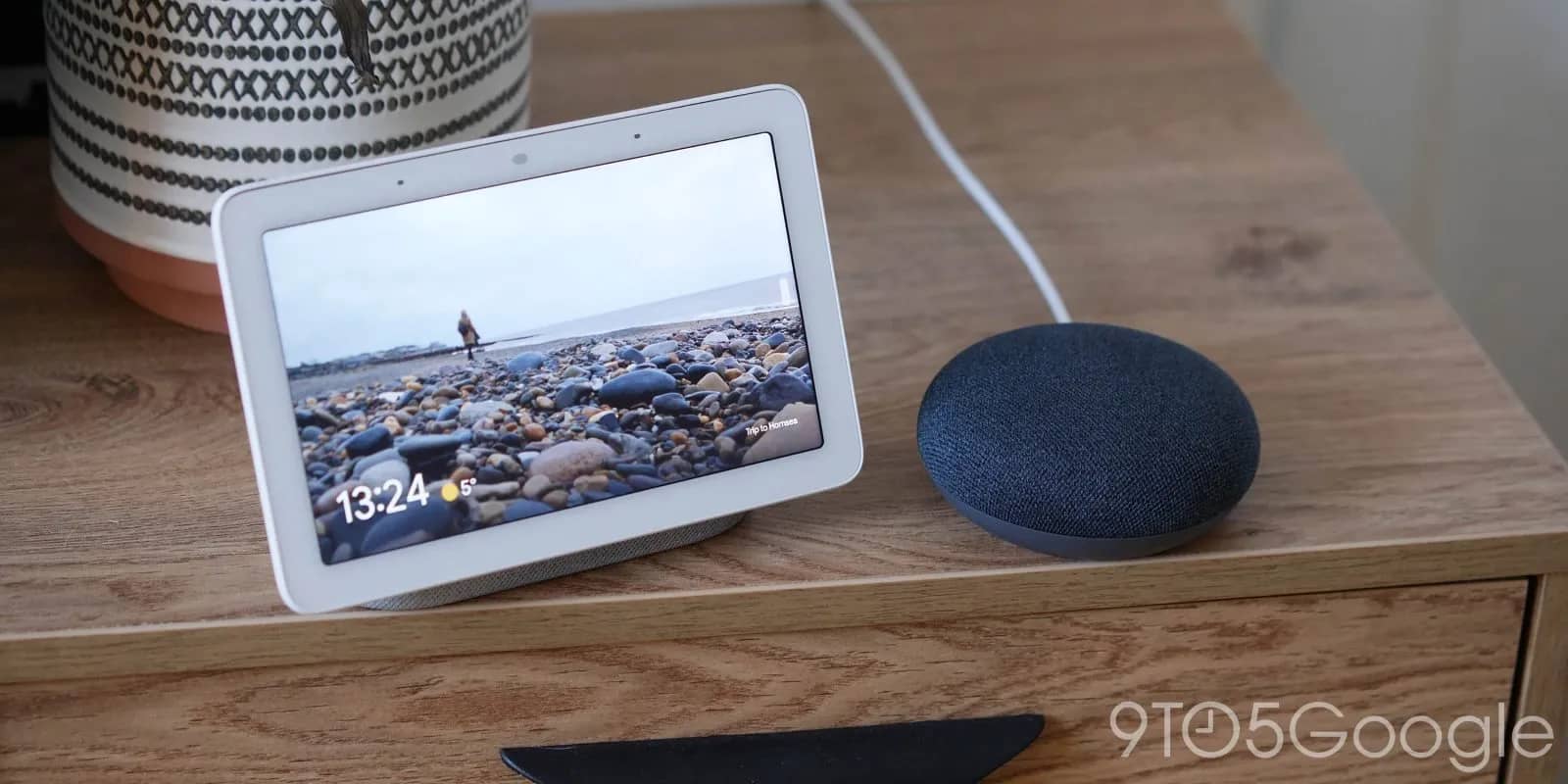
Source:9to5Google
Post
Google discontinues Nest Mini and Nest Audio
TL;DRAI · 60 sec read

Google discontinues the Nest Mini and Nest Audio. It launches a new $100 Google Home Speaker that ships June 25, offering flexible placement and audio upgrades over the Mini but not matching the Audio's sound. Existing devices keep full support. The shift prioritizes newer Gemini-integrated hardware over older models.

Google has discontinued the Nest Mini and Nest Audio as it launches a new smart speaker. The company confirmed the end of production for both devices, which have been on the market for around five years or longer if counting the 2017 Google Home Mini.

Google ends production of two Nest speakers. The Nest Mini and Nest Audio are no longer in production. Existing devices will continue to be fully supported with regular software updates, security patches and customer care, a Google representative told Engadget.

The discontinuation aligns with Google's strategy of prioritizing its newer generation of products that integrate the Gemini chatbot.
The new speaker is smaller than the Nest Audio after the company heard feedback that the taller design was difficult to place around the home.

New Google Home Speaker ships June 25. Google's first new smart speaker in six years begins shipping on June 25. Preorders opened on June 17, according to previously reported information.

The speaker carries a $100 price tag, matching the outgoing Nest Audio but exceeding the Nest Mini's $50 retail price, which was often available for less.
From The CircuitryThe Feed — live briefs across tech, all day.See what’s happening →
Hardware design prioritizes placement flexibility. The Google Home Speaker features a slightly squished round design with touch-capacitive buttons on top and a light ring at the bottom. It comes in four colors: porcelain, hazel, jade and berry.

The new speaker is smaller than the Nest Audio after the company heard feedback that the taller design was difficult to place around the home.
It instead positions the device as a massive audio upgrade over the Nest Mini.

Audio focus shifts to Nest Mini upgrade. Google does not claim the new speaker matches the Nest Audio's sound quality. It instead positions the device as a massive audio upgrade over the Nest Mini.

The speaker supports 360 audio for uniform sound from any point in the room. Users can pair two units for stereo sound or connect them to the Google TV Streamer for spatial surround sound.

The arrival of the Google Home Speaker leaves the smart speaker lineup in transition, with a single new model replacing two discontinued products that occupied different price points.
Why this mattersAI · ~100 words

Tap a lens to see what this story means for you.

Reader-supported
DonateBuy me a coffee →Follow@thecircuitry_ →Follow@thecircuitry.to →

Reader-supported · Daily Brief

Daily brief at 7 AM ET. Top tech stories, every morning. Sourced and fact-checked.

HELP US IMPROVE
From The Circuitry

See what’s happening right now

The Feed runs all day — short, verified briefs the moment they break.

Open the Feed →
From The Circuitry

Follow @thecircuitry_

Every story we publish, as it happens. No noise between.

Follow on X ↗On Bluesky ↗

Reader-supported

The Circuitry is a passion project I've always wanted to build, and I love the work behind it.

Running it costs real money. APIs, hosting, time. To keep improving the site and growing this into something useful for everyone, those costs have to be covered.

Any contribution is appreciated. If not, no pressure. Thanks for reading.

Buy me a coffee
GoogleSmart SpeakerNest
More from9to5Google
  • Google invests $1.5B to expand Alabama data center

    Tech · 6d
More inTech
  • Tesla files trademark for MEGAPOD AI data center hardware

    Tech · 1d
  • Hackers exploit info disclosure bug in Gravity SMTP plugin

    Tech · 1d
  • CISA Directs Federal Agencies to Secure Splunk Enterprise Systems by Sunday

    Tech · 2d
SupportThe Work

The Circuitry is reader-supported. If you find the daily brief useful, you can buy me a coffee to keep it going.

Buy a coffee →
SubscribeCircuitry Brief

Daily brief at 7 AM ET. Top tech stories, every morning.

MORE IN TECH

Tesla files trademark for MEGAPOD AI data center hardware

Tesla filed a USPTO trademark for MEGAPOD on June 18, 2026, covering modular data center hardware for AI computing. The live pending application signals the company's continued focus on AI infrastructure products.

Hackers exploit info disclosure bug in Gravity SMTP plugin

Threat actors are exploiting CVE-2026-4020 in the Gravity SMTP WordPress plugin active on over 100,000 sites, with Wordfence blocking more than 17 million attempts since a June 7 spike. The unauthenticated endpoint leaks API keys, email credentials, and detailed system information that can enable impersonation and targeted follow-on attacks.

CISA Directs Federal Agencies to Secure Splunk Enterprise Systems by Sunday

CISA placed CVE-2026-20253 affecting Splunk Enterprise on its KEV catalog after confirmed active exploitation and required federal agencies to install patches by June 21. The unauthenticated flaw permits remote file creation or truncation and potential RCE, while Shadowserver monitors over 1,400 publicly reachable instances.