The Circuitry
THE CIRCUITRYYour one-stop source for all tech news
HOMETODAYNEWSFEEDEVENTS
BOOKMARKS
RSS
© 2026 The Circuitry
About UsSourcesContactCorrectionsPrivacy
  • Today
  • Feed
  • Events
  • Saved
Scroll for more
Verification
VERIFIEDConfidence: HIGH
Source identified
Claims cross-referenced
No discrepancies found
Fact-check summary

MacRumors corroborates the 9to5Mac report on Ming-Chi Kuo's latest analysis of limited early supply for Apple's first foldable iPhone (iPhone Ultra).

Sourcing
1source

via 9to5Mac

9to5Mac · track record
65Stories
100%Verified
1130d
All sources →
Markets
AAPL···

Live quote · not investment advice

Home/Tech/iPhone Ultra faces severe supply limits at September launch
VERIFIEDBy Xavier Rivera· ·2 min read

iPhone Ultra faces severe supply limits at September launch

Ming-Chi Kuo reports that Apple's first foldable iPhone Ultra will have only 0.5-1 million units available in Q3 2026, making a September ship date improbable and initial supply extremely tight. The constraints echo the iPhone X launch and are expected to drive long wait times and significant resale premiums until early 2027.
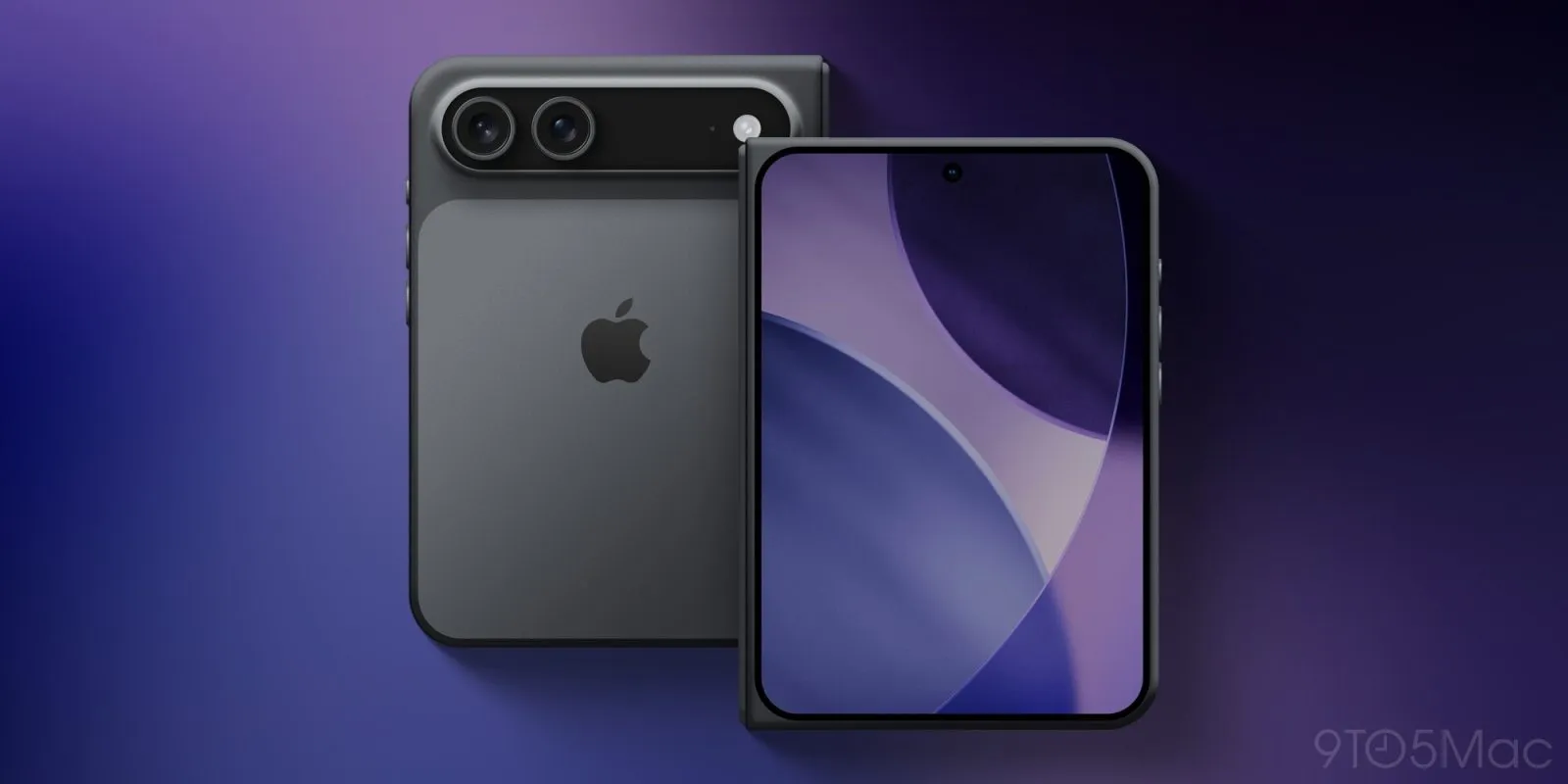
Source:9to5Mac
Post
iPhone Ultra faces severe supply limits at September launch
TL;DRAI · 60 sec read

Ming-Chi Kuo reports Apple will ship just 0.5-1 million foldable iPhones in Q3 2026 after a September announcement, versus 20-22 million iPhone 18 Pro units. Buyers face weeks-long delays and 50-100 percent resale premiums until supply rises in 2027.

Supply chain analyst Ming-Chi Kuo has reported that Apple will have extremely limited initial production of its first foldable iPhone, expected to be called the iPhone Ultra. The device is slated for announcement in September but may not ship until one or two months later due to constrained assembly volumes, mirroring the iPhone X launch pattern.

Production volumes fall far short of standard iPhone models. Kuo's latest industry survey projects total assembly shipments for the foldable iPhone in the second half of 2026 at roughly 7-8 million units. Third-quarter 2026 shipments are estimated at only 0.5-1 million units, representing about 10 percent of that total.
The foldable iPhone could be scalped for a 50-100 percent premium over its retail price.
By comparison, estimated third-quarter 2026 shipments for the iPhone 18 Pro and Pro Max reach roughly 20-22 million units. Those volumes already satisfy inventory requirements for an official launch, according to the report.

September availability appears improbable. With only up to 1 million foldable units available in the third quarter, a September release is unlikely. Apple will build up to 8 million foldable iPhones by the end of 2026, but the low starting numbers mean the device will be difficult to obtain immediately after announcement.
From The CircuitryThe Feed — live briefs across tech, all day.See what’s happening →
Delivery times could stretch to four to six weeks or longer. Kuo predicts it will remain hard to secure one until at least December.
Kuo predicts it will remain hard to secure one until at least December.
Resale premiums and demand signals expected. The foldable iPhone could be scalped for a 50-100 percent premium over its retail price. Preordering as soon as possible is described as the only realistic path to obtaining one near launch.

The device is rumored to feature a 5.5-inch outer display and a 7.8-inch inner display, similar in size to an iPad mini. It is expected to measure under 5 millimeters thick when unfolded, thinner than the iPhone Air, and priced between $2,300 and $2,500.
Supply constraints projected to ease in 2027. Kuo estimates that launch-related buzz and availability issues should subside by the first quarter of 2027. At that point, a clearer picture of actual demand for the foldable iPhone will emerge.
Why this mattersAI · ~100 words

Tap a lens to see what this story means for you.

Reader-supported
DonateBuy me a coffee →Follow@thecircuitry_ →Follow@thecircuitry.to →

Reader-supported · The Brief

Liked this? The Brief brings you the whole day in tech, verified, every morning. Two minutes, free forever.

HELP US IMPROVE
From The Circuitry

See what’s happening right now

The Feed runs all day — short, verified briefs the moment they break.

Open the Feed →
From The Circuitry

Follow @thecircuitry_

Every story we publish, as it happens. No noise between.

Follow on X ↗On Bluesky ↗

Reader-supported

The Circuitry is a passion project I've always wanted to build, and I love the work behind it.

Running it costs real money. APIs, hosting, time. To keep improving the site and growing this into something useful for everyone, those costs have to be covered.

Any contribution is appreciated. If not, no pressure. Thanks for reading.

Buy me a coffee
iPhoneAppleFoldable
More from9to5Mac
  • iOS 27 public beta lands with Siri AI

    Tech · 1d
  • Apple accuses OpenAI of trade secret theft in new lawsuit

    Tech · 7d
  • OpenAI upgrades ChatGPT voice mode using new GPT-Live-1

    Tech · 9d
More inTech
  • SigNoz 0.133.0 Open Redirect Lets Attackers Steal SSO Tokens

    Tech · 8h
  • Critical Privilege Escalation Flaw Reported in WordPress Plugin Aimogen Pro

    Tech · 9h
  • OpenAI admits GPT-5.6 occasionally deletes files – but it's an 'honest mistake'

    Tech · 23h
SupportThe Work

The Circuitry is reader-supported. If you find the daily brief useful, you can buy me a coffee to keep it going.

Buy a coffee →
SubscribeCircuitry Brief

Liked this? The Brief brings you the whole day in tech, verified, every morning. Free forever.

MORE IN TECH

SigNoz 0.133.0 Open Redirect Lets Attackers Steal SSO Tokens

SigNoz through 0.133.0 is affected by a reported open redirect in the SSO flow (referenced in NVD as CVE-2026-63094) that lets unauthenticated attackers steal access and refresh tokens from users on Google OAuth, SAML, or OIDC instances. The CVSS 3.1 score of 8.1 from VulnCheck marks it high severity and requires immediate patching on affected self-hosted deployments.

Critical Privilege Escalation Flaw Reported in WordPress Plugin Aimogen Pro

Aimogen Pro for WordPress through version 2.8.4 allows unauthenticated privilege escalation because the aiomatic_call_google_ai_function omits a capability check, letting attackers clear blacklists and run arbitrary PHP such as creating admin accounts. Wordfence rates it critical at CVSS 9.8; the CVE reached NVD on July 17, 2026.

OpenAI admits GPT-5.6 occasionally deletes files – but it's an 'honest mistake'

OpenAI has confirmed that GPT-5.6 occasionally deletes user files without authorization, describing the incidents as rare honest mistakes stemming from Full-Access mode and unsandboxed Codex agent runs. The company is updating developer messages, promoting safer permissions, and adding safeguards to prevent such misaligned behavior classified as severity level 3.