The Circuitry
THE CIRCUITRYYour one-stop source for all tech news
HOMETODAYNEWSFEEDEVENTS
BOOKMARKS
RSS
© 2026 The Circuitry
About UsSourcesContactCorrectionsPrivacy
  • Today
  • Feed
  • Events
  • Saved
Scroll for more
Verification
VERIFIEDConfidence: HIGH
Source identified
Claims cross-referenced
No discrepancies found
Sourcing
1source

via The Verge

The Verge · track record
102Stories
100%Verified
1230d
All sources →
Markets
MSFT···

Live quote · not investment advice

From The CircuitryWhy The Circuitry

Verified tech news, cross-checked.

Every story is checked against independent sources before it posts — no rumors dressed up as fact.

How we verify →
Home/Tech/Microsoft to Hide MSN Feed by Default in Windows 11 Widgets
VERIFIEDBy Xavier Rivera· ·1.5 min read

Microsoft to Hide MSN Feed by Default in Windows 11 Widgets

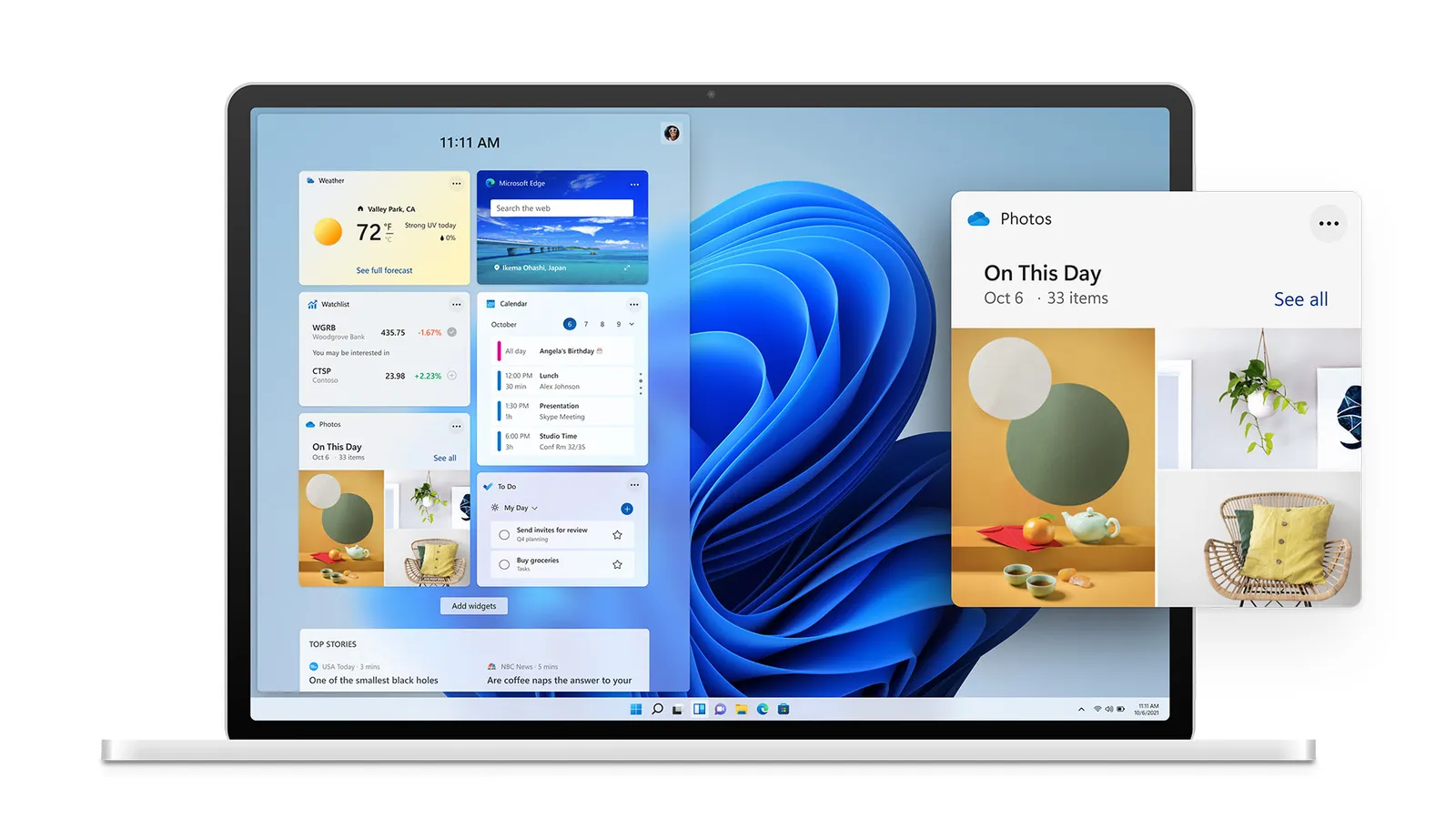
Microsoft will hide the MSN news feed in Windows 11 widgets by default to make the feature quiet and less distracting. The update disables hover-open behavior and taskbar badges while rolling out alongside other Windows 11 improvements throughout 2026.
Source:The Verge
Post
Microsoft to Hide MSN Feed by Default in Windows 11 Widgets
From The CircuitryWhy The Circuitry

Verified tech news, cross-checked.

Every story is checked against independent sources before it posts — no rumors dressed up as fact.

How we verify →
TL;DRAI · 60 sec read

Microsoft hides the MSN news feed by default in Windows 11's widgets panel, opening it directly to widgets instead. It disables auto-open on taskbar hover, turns off badges, and limits alerts to reduce distractions. These changes make widgets less overwhelming and more useful, as part of monthly Windows 11 improvements through 2026.

Microsoft is finally ditching the default MSN news feed in the widgets feature of Windows 11. The company will soon hide the feed by default, shifting the focus to actual widgets instead.

This move comes after Microsoft allowed users to disable the MSN feed more than two years ago. Now, the change is being implemented as a default setting to reduce distractions.

Microsoft stated that it is working to make Widgets feel less distracting and overwhelming by making the experience quiet by default. The company is testing a new set of default settings designed to reduce unexpected alerts and visual interruptions.

Several specific adjustments are planned. Microsoft will disable the widgets panel from opening automatically when users hover over its taskbar item. Distracting taskbar badges will be turned off by default as well.
From The CircuitryThe Feed — live briefs across tech, all day.See what’s happening →
The widgets panel will open directly to the widgets view rather than the MSN feed. Additionally, Microsoft will limit taskbar alerts until users decide to open and engage with the Widgets experience.

These updates address common annoyances with the taskbar. The widgets section previously showed notifications for stocks, weather, or MSN news by default, which often led users to avoid the feature altogether.

The goal is to transform widgets into a more useful component of Windows 11. By reducing interruptions, Microsoft hopes more users will find value in the widgets panel.
From The CircuitryWhy The Circuitry

Verified tech news, cross-checked.

Every story is checked against independent sources before it posts — no rumors dressed up as fact.

How we verify →
The changes form part of a broader initiative to enhance Windows 11. Microsoft is removing unnecessary Copilot buttons from apps, modernizing the Run prompt, fixing File Explorer performance issues, and improving the overall memory footprint. These improvements are being rolled out monthly throughout 2026.
Why this mattersAI · ~100 words

Tap a lens to see what this story means for you.

Morning Brief

Liked this? The Brief brings you the whole day in tech, verified, every morning.

Two minutes, free forever. What's in The Brief →

Reader-supported
DonateBuy me a coffee →Follow@thecircuitry_ →Follow@thecircuitry.to →
HELP US IMPROVE
From The Circuitry

See what’s happening right now

The Feed runs all day — short, verified briefs the moment they break.

Open the Feed →
From The Circuitry

Follow @thecircuitry_

Every story we publish, as it happens. No noise between.

Follow on X ↗On Bluesky ↗

Reader-supported

The Circuitry is a passion project I've always wanted to build, and I love the work behind it.

Running it costs real money. APIs, hosting, time. To keep improving the site and growing this into something useful for everyone, those costs have to be covered.

Any contribution is appreciated. If not, no pressure. Thanks for reading.

Buy me a coffee
MicrosoftWindows 11Widgets
More fromThe Verge
  • Meta shows VR glasses with 100g weight and pocket puck

    Tech · 2d
  • Meta Connect 2026 opens with AI and smart glasses focus

    Tech · 2d
  • California requires AI data centers to fund local grid and water upgrades

    Energy · 4d
More inTech
  • IBM Discloses Two More Guardium Data Protection 12.2 Flaws, Including a CVSS 8.8 Bug

    Tech · 4h
  • CISA Adds WordPress Core Flaw CVE-2026-87902 to KEV Catalog

    Tech · 4h
  • IBM Power Server Firmware Flaw CVE-2026-93306 Can Crash the ASMI Web Interface

    Tech · 6h
SupportThe Work

The Circuitry is reader-supported. If you find the daily brief useful, you can buy me a coffee to keep it going.

Buy a coffee →
From The CircuitryWhy The Circuitry

Verified tech news, cross-checked.

Every story is checked against independent sources before it posts — no rumors dressed up as fact.

How we verify →

MORE IN THIS BEAT

All Tech →
  • Tech· 

    Microsoft Outlook Flaw CVE-2026-100208 Could Allow Remote Code Execution

    Microsoft Office Outlook has an integer overflow flaw, CVE-2026-100208, that could let an unauthorized attacker run code over a network. Microsoft scores it 7.5 (High), and an attack needs user interaction.

  • Tech· 

    CISA Adds Microsoft SharePoint Code Injection Flaw CVE-2026-65660 to KEV

    CISA added CVE-2026-65660, a Microsoft SharePoint code injection vulnerability, to its Known Exploited Vulnerabilities catalog on September 25, with a federal deadline of September 28. The flaw could let an authorized attacker execute code over a network and carries a Microsoft CVSS 3.1 score of 8.8.

  • Tech· 

    Microsoft unveils Surface Pro 12-inch and Laptop 13-inch with Snapdragon X2 Plus

    Microsoft announced the Surface Pro 12-inch and Surface Laptop 13-inch with Snapdragon X2 Plus at the Snapdragon Summit, citing up to 95% faster on-device AI and 18% better battery efficiency. The devices maintain prior form factors while adding features such as Ink Canvas and a recycled-content enclosure, with the Pro model priced from $1149.99 and shipping October 13.

  • Tech· 

    Microsoft Edge Use-After-Free Flaw CVE-2026-85893 Rated High Severity

    Microsoft has disclosed CVE-2026-85893, a high-severity use-after-free vulnerability in Edge that could let an attacker elevate privileges from Low to Medium Integrity Level after a user visits a malicious page and performs two tap gestures. The flaw affects versions prior to 153.0.4234.32 and is rated CVSS 8.8, though exploitation is assessed as unlikely.

  • Tech· 

    Microsoft Windows Media Foundation CVE-2026-62744 Rated High Severity

    Microsoft has published details on CVE-2026-62744, a heap-based buffer overflow in Windows Media Foundation that allows unauthorized remote code execution with a CVSS score of 8.8. The flaw requires a user to open a specially crafted media file and is included in the September 2026 security updates.