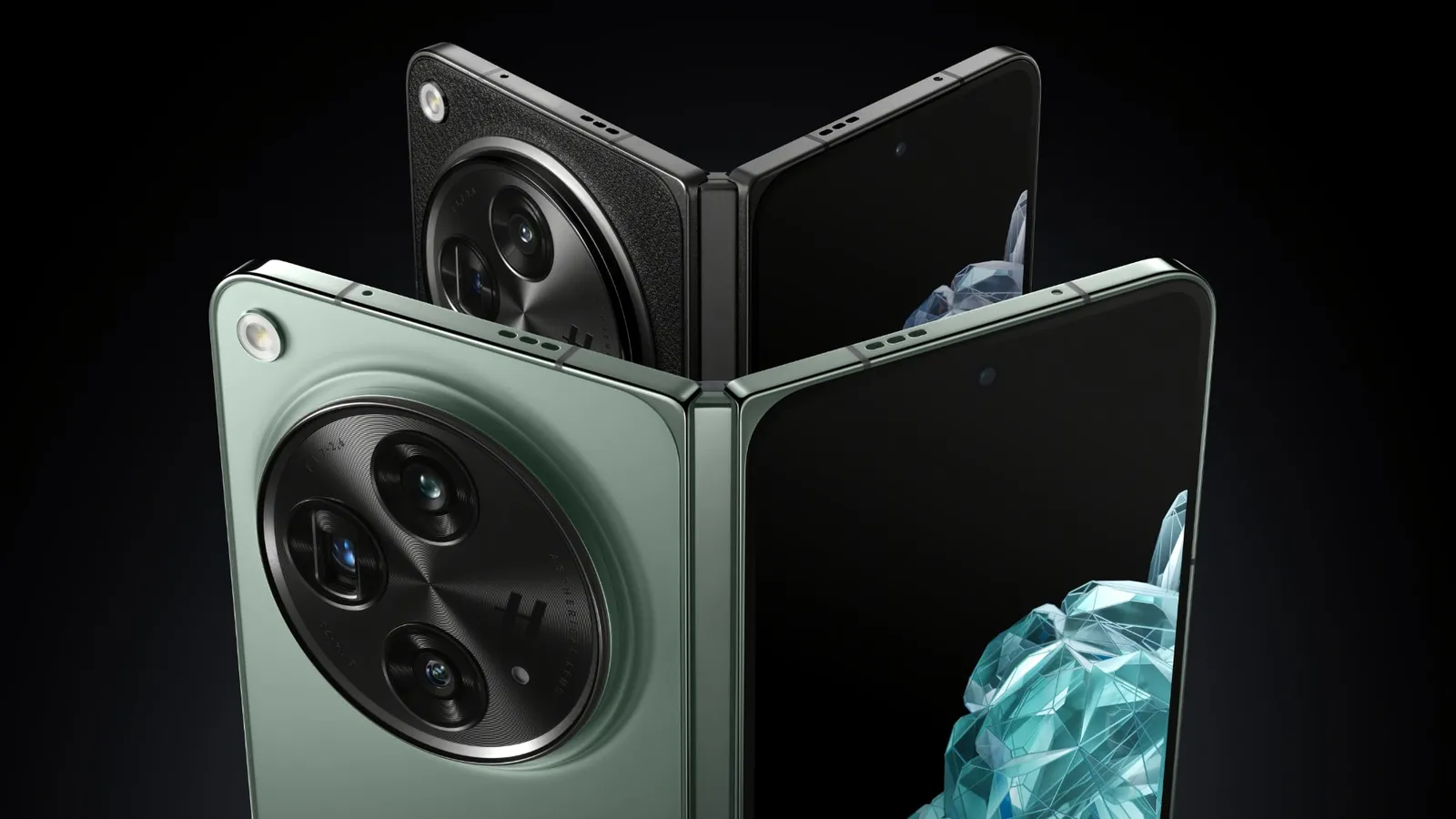
Bloomberg reports that OnePlus will exit the U.S. and European smartphone markets as part of restructuring at owner Oppo, with the move possibly starting as soon as this week. The brand's earlier popularity has faded while Chinese suppliers face mounting pressure from memory chip costs and declining shipments in key regions.
Corrected garbled Bloomberg claim that misstated OnePlus as extending an exit “beyond China”; clarified reported 2027 pullbacks concern markets outside China (e.g., India), with China remaining.
The company gained a dedicated base among certain Android fans during its initial phase by offering strong hardware, clean software, and prices hundreds of dollars below those of Apple and Samsung.
OnePlus lags well behind smaller players including Motorola and Google domestically.
Tap a lens to see what this story means for you.
Liked this? The Brief brings you the whole day in tech, verified, every morning.
Two minutes, free forever. What's in The Brief →
See what’s happening right now
The Feed runs all day — short, verified briefs the moment they break.
Open the FeedFollow @thecircuitry_
Every story we publish, as it happens. No noise between.
Reader-supported
The Circuitry is a passion project I've always wanted to build, and I love the work behind it.
Running it costs real money. APIs, hosting, time. To keep improving the site and growing this into something useful for everyone, those costs have to be covered.
Any contribution is appreciated. If not, no pressure. Thanks for reading.
Huawei launched the Mate 90 smartphone series on October 1 featuring its Tau chip platform across the lineup, with variants reported for different models.
Motorola has officially revealed the Signature 27, a flagship smartphone arriving before the end of this year and powered by the Snapdragon 8 Elite Extreme Gen 6. The model marks the company's return to proper flagship processors after depending on downgraded chips in recent releases.
Google unveiled the Pixel 11 Pro emphasizing software strengths while its Tensor G6 processor draws scrutiny, Rockstar quickly moved to remove leaked GTA 6 gameplay clips, and Garmin climbed to 15% global smartwatch share to equal Samsung in Q2 2026.
Nintendo has launched Pictonico!, a smartphone game that generates mini-games from user photos instead of releasing on the Nintendo Switch. It blends WarioWare-style play with personal photo galleries across more than 80 games sold in paid volumes, with potential for more if successful.
A critical SQL injection vulnerability assigned CVE-2026-97668 affects the Abandoned Cart Pro for WooCommerce plugin in all versions through 10.8.0. Unauthenticated attackers can extract database information and escalate privileges to administrator via the wp_usermeta table.