Rocket Lab has completed the 100th flight of Electron, and the company says no other commercially developed rocket has reached that count this quickly. The Saturday launch put a radar satellite into a 575 km orbit for iQPS, which has seven more Electron flights reserved through 2030.
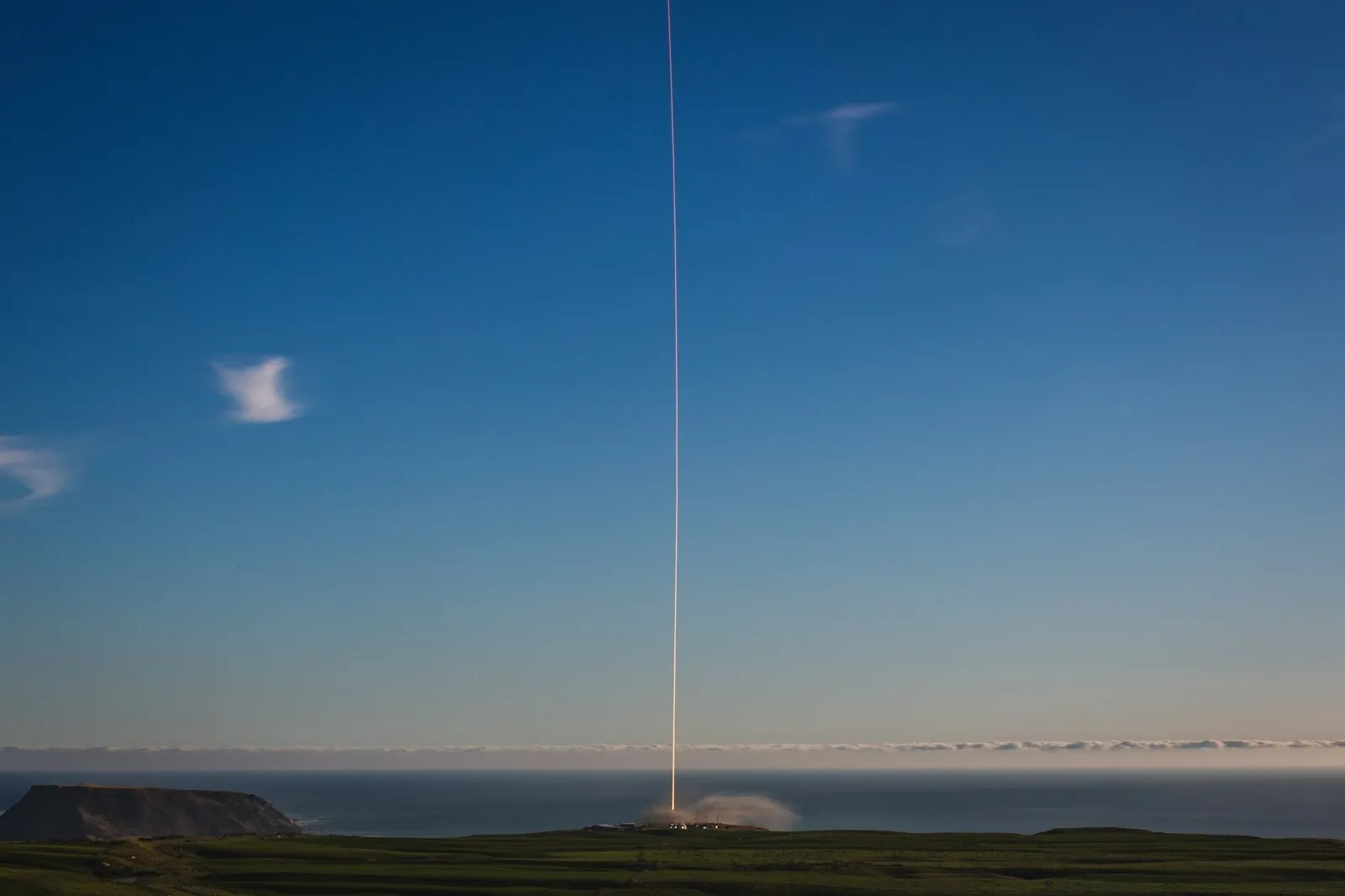
iQPS has seven further Electron flights reserved through 2030 to finish its constellation.
That flight rate is also the operating base for Neutron, the medium-lift rocket Rocket Lab is still building.
Tap a lens to see what this story means for you.
Liked this? The Brief brings you the whole day in tech, verified, every morning.
Two minutes, free forever. What's in The Brief →
See what’s happening right now
The Feed runs all day — short, verified briefs the moment they break.
Open the FeedFollow @thecircuitry_
Every story we publish, as it happens. No noise between.
Reader-supported
The Circuitry is a passion project I've always wanted to build, and I love the work behind it.
Running it costs real money. APIs, hosting, time. To keep improving the site and growing this into something useful for everyone, those costs have to be covered.
Any contribution is appreciated. If not, no pressure. Thanks for reading.
NASA will conduct a 2027 Earth-orbit test of successive docking between Orion and lunar landers from SpaceX and Blue Origin to support a planned 2028 crewed moon landing. The agency expanded contracts with both companies after launch delays raised concerns about falling behind China.
SpaceX Starship reached orbit for the first time on its 14th test flight from Texas on September 28 despite an early engine shutdown. The vehicle is expected to complete six orbits over 10 hours and deploy 26 Starlink V3 satellites before Pacific splashdown.
Stoke Space obtained roughly $1 billion in Series E funding to prepare Nova Pathfinder for an early 2027 launch while accelerating the larger Nova Block 2 scheduled for 2029. The capital will also expand the Moses Lake test facility and increase maximum payload fivefold to 15 metric tons in low Earth orbit, preserving full reusability for both stages.
DIA released the 2026 edition of "Challenges to Security in Space" on Oct 26, its third such unclassified report, with information current as of July 2026. Axios reports the 130-page report says China could field space-based lasers "by the late 2020s," and published a Vantor image dated May 28, 2024 showing China's reusable spaceplane with payload bay doors open and a satellite docked. Secure World Foundation's Victoria Samson told Axios the laser timeline "seems speculative."
OpenAI has published a candidate way to place the Standard Model on a lattice, built with GPT-6 Astra. The author says it is a proposal, not a tool ready for realistic simulations.

