Samsung Display has secured Apple's approval to begin module production of OLED panels for the first foldable iPhone and activated Vietnamese lines for an initial run of approximately three million units. The panels will use CoE technology and the M16 material set under an exclusive three-year supply pact.
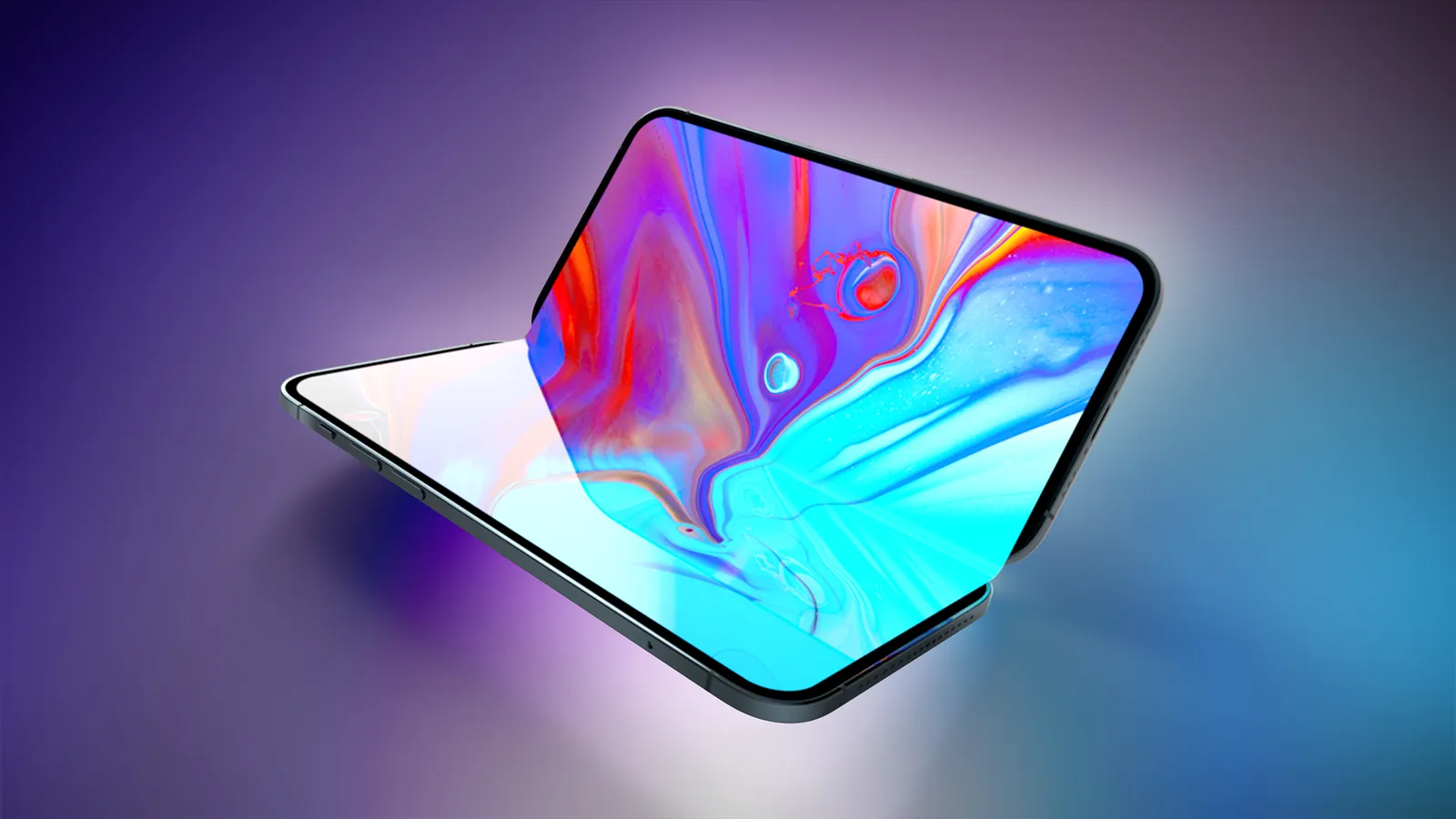
Samsung Display is said to have passed that bar after achieving final yields above 80%.
The M16 stack is said to bring improvements to brightness, color performance, lifespan, and power efficiency over prior generations.
Tap a lens to see what this story means for you.
Liked this? The Brief brings you the whole day in tech, verified, every morning.
Two minutes, free forever. What's in The Brief →
See what’s happening right now
The Feed runs all day — short, verified briefs the moment they break.
Open the FeedFollow @thecircuitry_
Every story we publish, as it happens. No noise between.
Reader-supported
The Circuitry is a passion project I've always wanted to build, and I love the work behind it.
Running it costs real money. APIs, hosting, time. To keep improving the site and growing this into something useful for everyone, those costs have to be covered.
Any contribution is appreciated. If not, no pressure. Thanks for reading.
Apple plans a massive MacBook Pro refresh with OLED displays, touchscreen support, and M6 chips for late 2026. These upgrades—including touch-optimized macOS and a slimmer design—represent the biggest update in years, per reports.
Asus unveiled the ROG Ally X20, an ultra-premium handheld with a new 7.4-inch OLED panel, translucent retro chassis and upgraded controls to celebrate Republic of Gamers' 20th anniversary. It addresses longstanding calls for OLED while adding TMR joysticks, a rotatable D-pad and a dedicated cooling system for the display.
Anthropic launched Claude Opus 5.5 on September 22, 2026 as the first model in its Claude 5.5 family, claiming it matches Claude Fable 5.1 performance while running 40% cheaper and 30% faster than Opus 5. The release highlights continued pressure on AI developers to improve efficiency without sacrificing quality.
CISA placed the actively exploited F5 BIG-IP APM heap-based buffer overflow CVE-2026-94127 into its KEV catalog on 2026-09-22 with a three-day remediation deadline for federal agencies. The zero-day enables unauthenticated remote code execution on systems running both an access policy and OAuth profile on the same virtual server, prompting immediate patching and forensic triage.
Motorola has officially revealed the Signature 27, a flagship smartphone arriving before the end of this year and powered by the Snapdragon 8 Elite Extreme Gen 6. The model marks the company's return to proper flagship processors after depending on downgraded chips in recent releases.