The Circuitry
THE CIRCUITRYYour one-stop source for all tech news
HOMETODAYNEWSFEEDEVENTS
BOOKMARKS
RSS
© 2026 The Circuitry
About UsSourcesContactCorrectionsPrivacy
  • Today
  • Feed
  • Events
  • Saved
Scroll for more
Verification
VERIFIEDConfidence: HIGH
Source identified
Claims cross-referenced
No discrepancies found
Fact-check summary

Reuters, Samsung's official announcement, and multiple outlets confirm Samsung's Q2 2026 operating profit guidance surged ~19x YoY to ~89.4T KRW on AI memory demand and higher DRAM/NAND prices.

Sourcing
1source

via DigiTimes Asia

DigiTimes Asia · track record
28Stories
100%Verified
1830d
All sources →
Home/Tech/Samsung Q2 operating profit surges on AI memory demand
VERIFIEDBy Xavier Rivera· ·1 min read

Samsung Q2 operating profit surges on AI memory demand

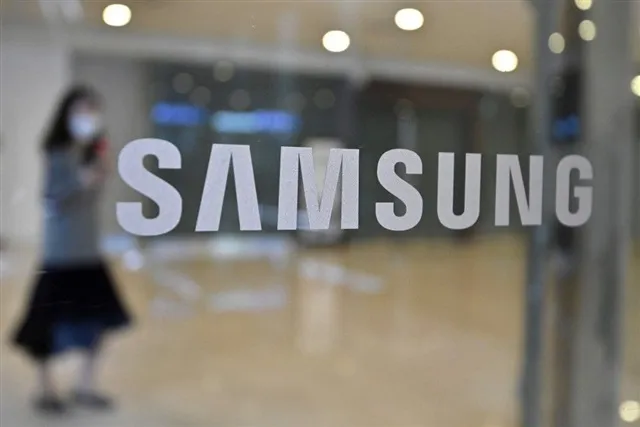
Samsung Electronics reported a sharp jump in second-quarter operating profit driven by AI infrastructure demand for DRAM and NAND chips. The surge highlights how memory pricing now influences global data-center costs and the speed of worldwide AI deployment.
Source:DigiTimes Asia
Post
Samsung Q2 operating profit surges on AI memory demand
TL;DRAI · 60 sec read

Samsung Electronics reports a sharp jump in second-quarter operating profit driven by surging demand for AI memory chips. Higher DRAM and NAND prices lift sales as data centers expand artificial intelligence infrastructure. The trend raises costs for cloud operators and device makers around the world while accelerating broader tech investment.

Samsung Electronics has reported a sharp jump in second-quarter operating profit driven by surging global demand for AI infrastructure.

Samsung's profit rises sharply in Q2 2026. The company posted higher operating profit for the April-to-June period compared with the year-ago quarter. The increase reflects booming sales of memory chips used in data centers and AI systems.
The memory-chip market is being reshaped by worldwide spending on artificial intelligence infrastructure.

Higher prices for both DRAM and NAND flash contributed to the result. The memory-chip market is being reshaped by worldwide spending on artificial intelligence infrastructure.
From The CircuitryThe Feed — live briefs across tech, all day.See what’s happening →
Impact extends beyond South Korea to global tech spending. Elevated DRAM and NAND prices are affecting data-center budgets around the world. Device makers and cloud operators face higher component costs as a direct result of the AI-driven memory boom.
Samsung's performance underscores how memory supply and pricing now set the tempo for broader technology investment.
The trend is accelerating the pace of AI buildout across industries. Samsung's performance underscores how memory supply and pricing now set the tempo for broader technology investment.
Memory segment leads Samsung's recovery. Demand for high-bandwidth memory and advanced NAND solutions tied to AI servers has lifted revenue and margins. The South Korean giant's results signal continued strength in the semiconductor sector through the first half of 2026.
Why this mattersAI · ~100 words

Tap a lens to see what this story means for you.

Reader-supported
DonateBuy me a coffee →Follow@thecircuitry_ →Follow@thecircuitry.to →

Reader-supported · Daily Brief

Daily brief at 7 AM ET. Top tech stories, every morning. Sourced and fact-checked.

HELP US IMPROVE
From The Circuitry

See what’s happening right now

The Feed runs all day — short, verified briefs the moment they break.

Open the Feed →
From The Circuitry

Follow @thecircuitry_

Every story we publish, as it happens. No noise between.

Follow on X ↗On Bluesky ↗

Reader-supported

The Circuitry is a passion project I've always wanted to build, and I love the work behind it.

Running it costs real money. APIs, hosting, time. To keep improving the site and growing this into something useful for everyone, those costs have to be covered.

Any contribution is appreciated. If not, no pressure. Thanks for reading.

Buy me a coffee
SamsungSemiconductorsAIMemory Chips
More fromDigiTimes Asia
  • Infineon Wins Fourth German Patent Ruling Against Innoscience

    Tech · 2d
  • TSMC secures approval for $20B Arizona expansion

    Tech · 4d
  • LG Electronics forms robot business center reporting to CEO

    Tech · 5d
More inTech
  • ByteDance and Alibaba Pull Custom AI Agents Ahead of Beijing Rules

    Tech · 6h
  • FCC set to end Biden-era mandate on itemizing ISP passthrough fees

    Tech · 7h
  • Alibaba bans Anthropic's Claude for employees after distillation attack claims

    Tech · 7h
SupportThe Work

The Circuitry is reader-supported. If you find the daily brief useful, you can buy me a coffee to keep it going.

Buy a coffee →
SubscribeCircuitry Brief

Daily brief at 7 AM ET. Top tech stories, every morning.

MORE IN TECH

ByteDance and Alibaba Pull Custom AI Agents Ahead of Beijing Rules

ByteDance's Doubao and Alibaba's Qwen are disabling humanlike agent features ahead of Beijing's Interim Measures for the Administration of AI Anthropomorphic Interaction Services, effective July 15. The regulation is the first to specifically ban services simulating sustained emotional interaction, including AI companions.

FCC set to end Biden-era mandate on itemizing ISP passthrough fees

The FCC will vote on July 22 to drop the mandate that ISPs itemize all passthrough fees on broadband labels, permitting a single "up to" figure instead, while also reducing label visibility. The step reverses a Biden-era revision and fits Chairman Brendan Carr’s pattern of easing regulatory demands on carriers.

Alibaba bans Anthropic's Claude for employees after distillation attack claims

Alibaba has banned employee use of Anthropic's Claude tools starting July 10 and placed Claude Code on a high-risk list after Anthropic accused it of the largest known distillation attack. The move highlights escalating restrictions on U.S. AI models in China amid terms-of-service bans and reported access loopholes.