SpaceX disclosed approximately $100.8 billion in cash while launching its first bond sale days after an IPO that raised nearly $86 billion. Proceeds will repay bridge financing and back the firm's ambitious AI and space-based data center expansion.
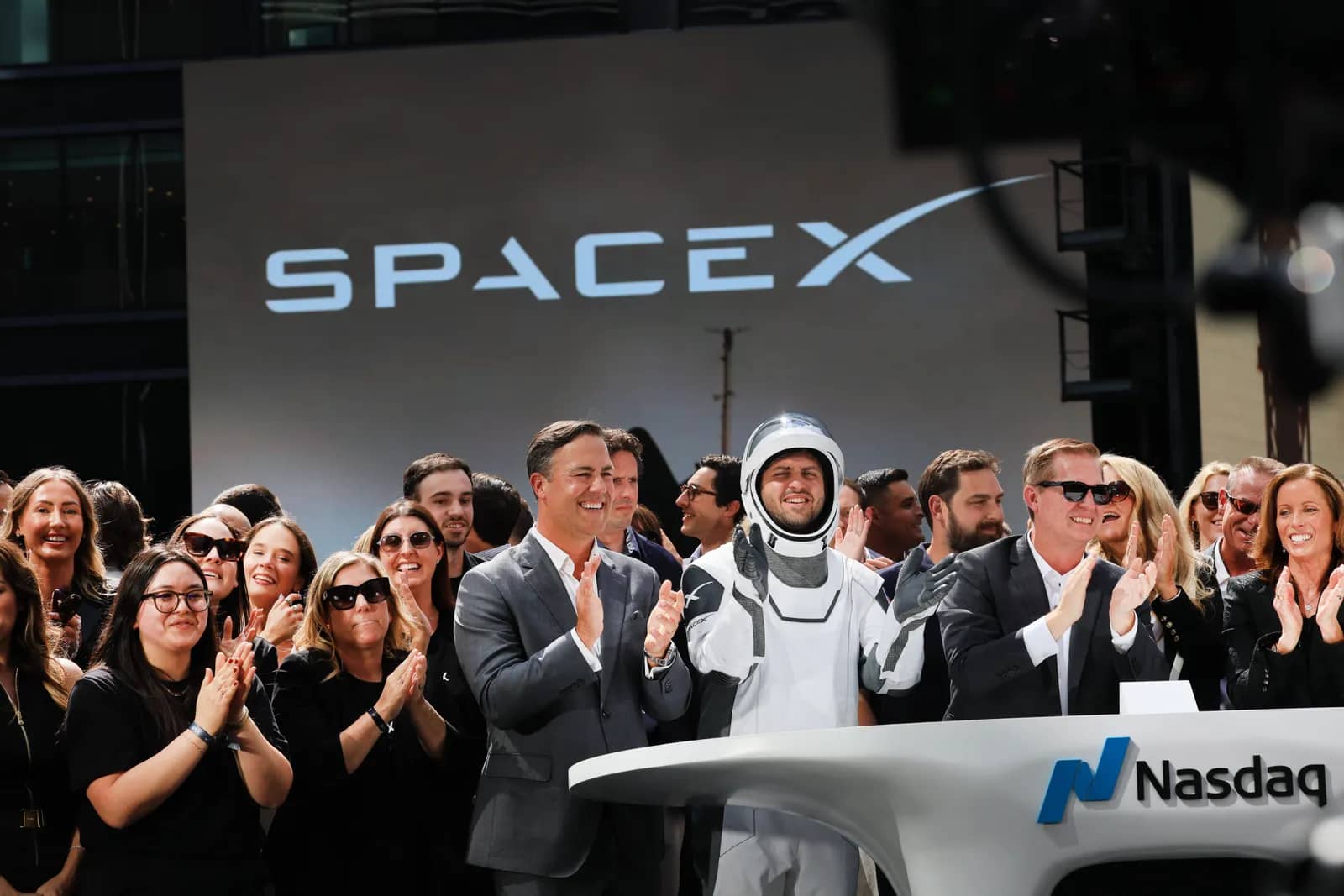
The transaction reportedly minted Elon Musk as the world's first trillionaire.
The capital would support an ambitious artificial intelligence and data center build-out plan that includes eventually building data centers in space.
Tap a lens to see what this story means for you.
Liked this? The Brief brings you the whole day in tech, verified, every morning.
Two minutes, free forever. What's in The Brief →
See what’s happening right now
The Feed runs all day — short, verified briefs the moment they break.
Open the FeedFollow @thecircuitry_
Every story we publish, as it happens. No noise between.
Reader-supported
The Circuitry is a passion project I've always wanted to build, and I love the work behind it.
Running it costs real money. APIs, hosting, time. To keep improving the site and growing this into something useful for everyone, those costs have to be covered.
Any contribution is appreciated. If not, no pressure. Thanks for reading.
Sources told CNBC that Chinese AI lab Moonshot has discussed leasing Nvidia Blackwell capacity from European neoclouds, including talks around clusters of 8,000 or more GPUs. No signed lease has been confirmed.
Meta priced $15 billion of senior notes in five tranches on November 3, according to its pricing term sheet, with coupons from 5.85% on 2031 notes to 7.50% on 2056 notes. Bloomberg reported orders peaked at about $58 billion and said the deal is part of a cross-border financing of at least $20 billion that includes a euro debut.
OpenAI has cut its funding target by $10 billion and now seeks about $20 billion at a $1.25 trillion valuation, the Financial Times reported. The round has not closed.
The New York Times sued Brave Software, alleging the browser bypasses paywalls and sells news content to AI companies without permission. The suit seeks an injunction and restitution of profits the publisher claims exceed $100 million.
OpenAI CEO Sam Altman said RAM belongs in data centers rather than personal PCs because individual machines use it only five percent of the time. The comments come as OpenAI’s purchases tighten global supplies and raise prices for consumer devices.