The Circuitry
THE CIRCUITRYYour one-stop source for all tech news
HOMETODAYNEWSFEEDEVENTS
BOOKMARKS
RSS
© 2026 The Circuitry
About UsSourcesContactCorrectionsPrivacy
  • Today
  • Feed
  • Events
  • Saved
Scroll for more
Verification
VERIFIEDConfidence: HIGH
Source identified
Claims cross-referenced
No discrepancies found
Fact-check summary

Reported by CNBC Tech; we couldn't independently corroborate the Reflection AI deal via other outlets yet — story is recent.

1 caveat
  • ▲Specific $150M/month and $6.3B total figures for Reflection not confirmed elsewhere; Anthropic and Google deals are separately reported.
Sourcing
1source

via CNBC Tech

CNBC Tech · track record
47Stories
100%Verified
2330d
All sources →
Home/Tech/SpaceX inks major compute pact with open-source AI lab Reflection
VERIFIEDBy Xavier Rivera· ·2 min read

SpaceX inks major compute pact with open-source AI lab Reflection

SpaceX has signed a computing-power contract with Reflection AI granting the open-source startup access to Nvidia GB300 chips inside Colossus 2. The pact, valued at roughly $6.3 billion through 2029, underscores SpaceX’s commercialization of its supercluster while spotlighting rising demand for open models amid concerns over closed systems.
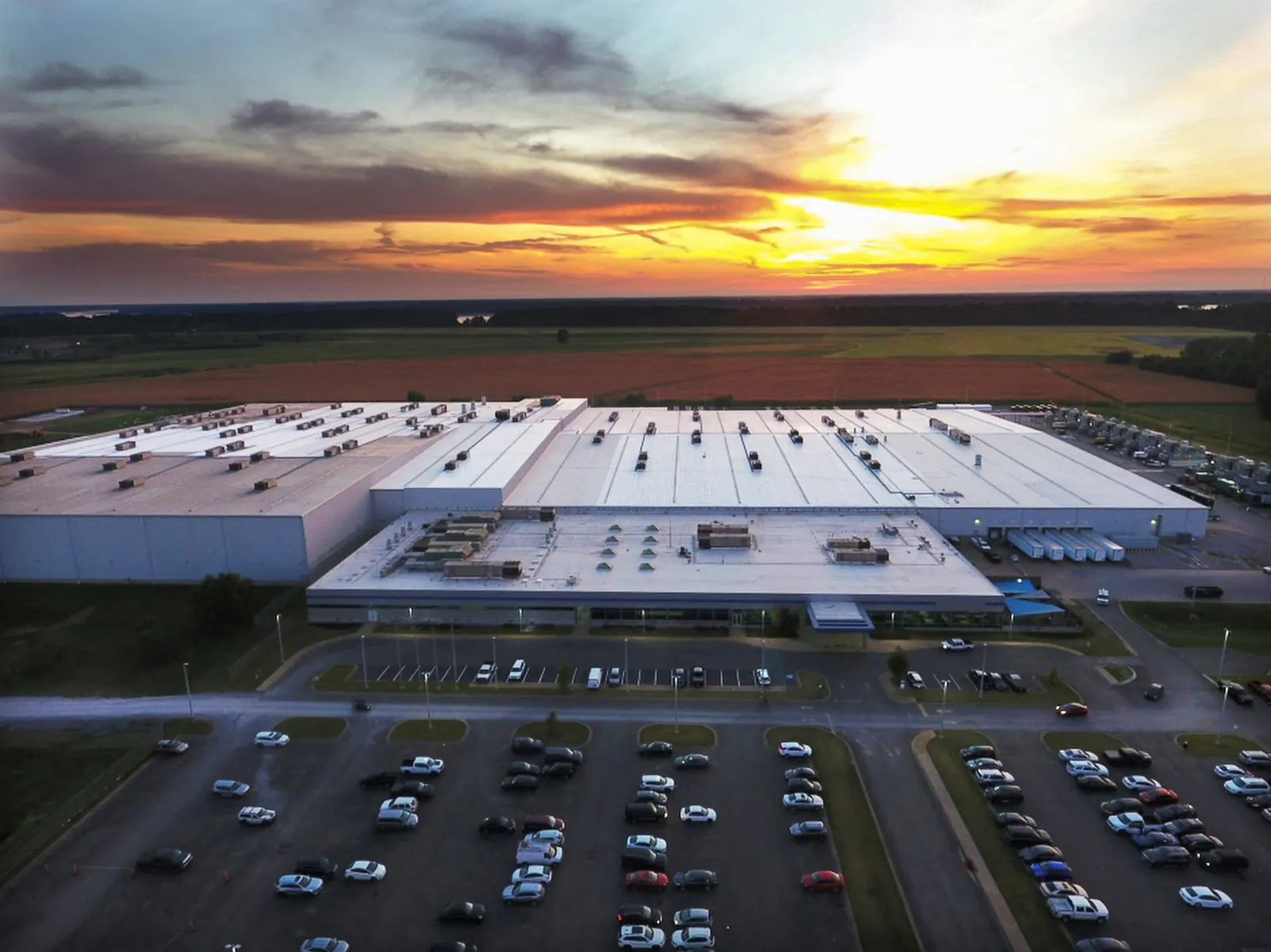
Source:CNBC Tech
Post
SpaceX inks major compute pact with open-source AI lab Reflection
TL;DRAI · 60 sec read

SpaceX agrees to supply Reflection AI with Nvidia GB300 chips from its Colossus 2 supercluster. The open-source startup will pay $150 million per month from July 2026 through 2029, for a total of roughly $6.3 billion. The pact shows SpaceX monetizing its compute infrastructure as demand rises for open-source AI options.

SpaceX has reached a substantial computing capacity agreement with Reflection AI that will reportedly give the startup immediate use of Nvidia GB300 chips housed inside Elon Musk’s Colossus 2 supercluster.

Under the pact, Reflection will pay Musk’s rocket company $150 million per month beginning July 1, 2026, with the arrangement running through 2029. The payments would add up to approximately $6.3 billion if the full term is completed, according to materials viewed by CNBC. Either side may terminate the contract with 90 days’ notice after the initial three months.
Open-source AI has gathered speed following Anthropic’s decision to revoke access for Fable and Mythos, which spotlighted hazards of depending on proprietary providers for essential tasks.
The transaction illustrates how SpaceX is converting its Colossus infrastructure into a revenue-generating computing platform after the company’s record initial public offering. It has already secured similar arrangements with Anthropic, Google and Cursor; Musk’s firm is now acquiring Cursor.

Reflection brings a distinct profile to the customer list as an AI developer specializing in open-source models. The timing aligns with governments and large organizations reevaluating reliance on closed AI systems.
From The CircuitryThe Feed — live briefs across tech, all day.See what’s happening →
Open-source AI has gathered speed following Anthropic’s decision to revoke access for Fable and Mythos, which spotlighted hazards of depending on proprietary providers for essential tasks. That episode bolstered the case that users should retain the ability to inspect, modify and operate models under greater autonomy.
For SpaceX, the arrangement further demonstrates that raw compute has emerged as strategic currency inside the artificial-intelligence competition.
Reflection, last valued at $25 billion, is developing American open-source AI systems capable of rivaling frontier offerings from OpenAI, Anthropic and Google while supplying added flexibility to public-sector and enterprise clients. “Recent events highlight how important open source is to the AI ecosystem, with more nations and enterprises recognizing the risks and costs associated with exclusively depending on closed models,” a Reflection spokesperson said in a statement.

The startup has yet to release a public frontier open-source model but has secured traction among government and national-security users. It is collaborating with the Department of Energy’s Genesis Mission and participating in wider Pentagon AI initiatives.
For SpaceX, the arrangement further demonstrates that raw compute has emerged as strategic currency inside the artificial-intelligence competition.
Why this mattersAI · ~100 words

Tap a lens to see what this story means for you.

Reader-supported
DonateBuy me a coffee →Follow@thecircuitry_ →Follow@thecircuitry.to →

Reader-supported · Daily Brief

Daily brief at 7 AM ET. Top tech stories, every morning. Sourced and fact-checked.

HELP US IMPROVE
From The Circuitry

See what’s happening right now

The Feed runs all day — short, verified briefs the moment they break.

Open the Feed →
From The Circuitry

Follow @thecircuitry_

Every story we publish, as it happens. No noise between.

Follow on X ↗On Bluesky ↗

Reader-supported

The Circuitry is a passion project I've always wanted to build, and I love the work behind it.

Running it costs real money. APIs, hosting, time. To keep improving the site and growing this into something useful for everyone, those costs have to be covered.

Any contribution is appreciated. If not, no pressure. Thanks for reading.

Buy me a coffee
SpaceXAIComputeReflection
More fromCNBC Tech
  • Inflation cools, IBM plunges 25%, Morgan Stanley beats

    Markets · 19h
  • SK Hynix Nasdaq Debut Tests Long-Standing Korea Discount

    Markets · 5d
  • EU Says Meta Violated Digital Services Act With Addictive Features on Instagram and Facebook

    Tech · 5d
More inTech
  • China's CXMT Doubles IPO Target to $8.55 Billion

    Tech · 10h
  • CISA Adds KNX Protocol CVE-2023-4346 to KEV Catalog

    Tech · 14h
  • Report: OnePlus to Pull Out of US and Europe

    Tech · 15h
SupportThe Work

The Circuitry is reader-supported. If you find the daily brief useful, you can buy me a coffee to keep it going.

Buy a coffee →
SubscribeCircuitry Brief

Daily brief at 7 AM ET. Top tech stories, every morning.

MORE IN TECH

China's CXMT Doubles IPO Target to $8.55 Billion

ChangXin Memory Technologies expects to raise 57.9 billion yuan ($8.55 billion) in its Shanghai STAR Market IPO after doubling its original target. The world's fourth-largest DRAM chipmaker will list on July 27, advancing China's push for semiconductor self-reliance.

CISA Adds KNX Protocol CVE-2023-4346 to KEV Catalog

CISA added CVE-2023-4346 affecting KNX Association KNX Protocol Connection Authorization Option 1 to its Known Exploited Vulnerabilities catalog on 2026-07-15. Federal agencies must finish remediation by 2026-07-29. The overly restrictive account lockout mechanism could let attackers purge devices and set a BCU key when extra security options remain disabled, so organizations must apply vendor mitigations under BOD 26-04.

Report: OnePlus to Pull Out of US and Europe

Bloomberg reports that OnePlus will exit the U.S. and European smartphone markets as part of restructuring at owner Oppo, with the move possibly starting as soon as this week. The brand's earlier popularity has faded while Chinese suppliers face mounting pressure from memory chip costs and declining shipments in key regions.