Tesla revealed the production Cybercab at an Austin event on September 4, 2026, showcasing its unboxed manufacturing process and new hardware components. The two-seater autonomous vehicle uses a pure-vision system with a drag coefficient under 0.20 and omits any immediate plans for individual customer sales.
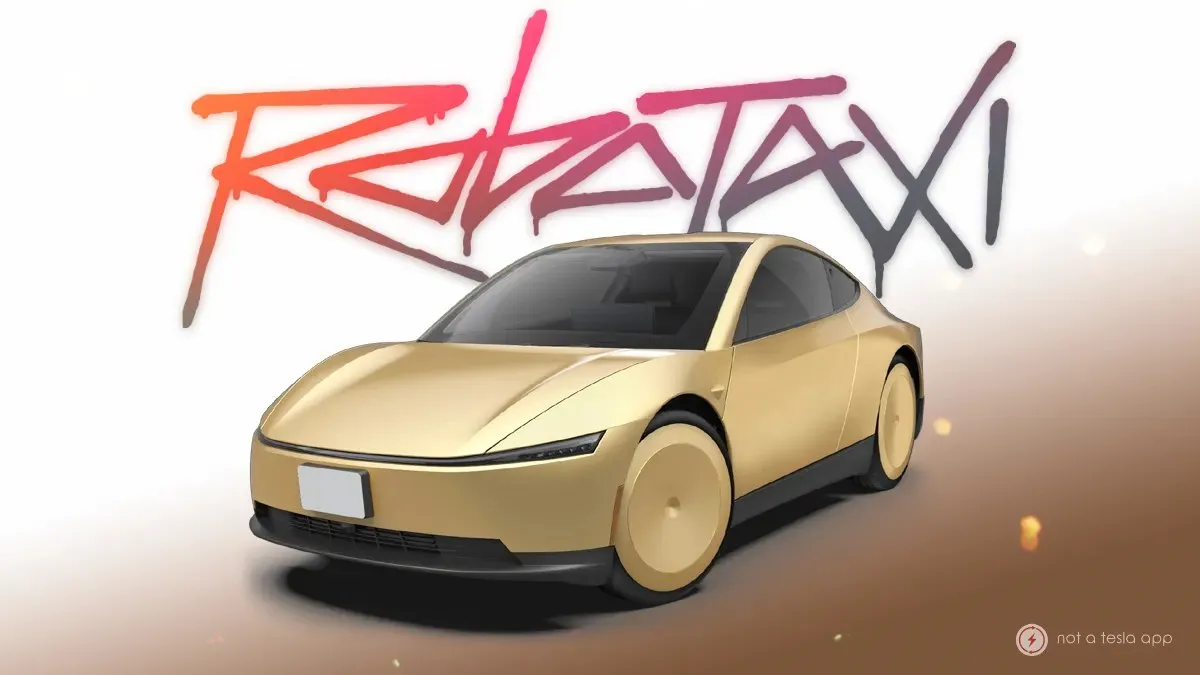
The team reiterated its pure-vision approach to self-driving, arguing that the core challenge is intelligence for predicting future road events rather than relying on LiDAR, radar, or HD maps.
https://x.com/Tesla/status/2095649007397679470
Tap a lens to see what this story means for you.
Liked this? The Brief brings you the whole day in tech, verified, every morning.
Two minutes, free forever. What's in The Brief →
See what’s happening right now
The Feed runs all day — short, verified briefs the moment they break.
Open the FeedFollow @thecircuitry_
Every story we publish, as it happens. No noise between.
Reader-supported
The Circuitry is a passion project I've always wanted to build, and I love the work behind it.
Running it costs real money. APIs, hosting, time. To keep improving the site and growing this into something useful for everyone, those costs have to be covered.
Any contribution is appreciated. If not, no pressure. Thanks for reading.
Tesla marked the start of high-volume Semi production at its new Sparks, Nevada factory on September 24. The plant, which Tesla says covers 1.8 million square feet, is built to scale to 50,000 trucks annually.
Tesla has started sending invitations for its Semi Rollout event on September 24 at the new factory in Sparks, Nevada. The gathering will showcase the facility, which Tesla says covers 1.8 million square feet, built to produce up to 50,000 trucks per year along with refreshed vehicle features and fleet economics.
Tesla began public rides in its steering-wheel-free Cybercab in Austin this evening while NHTSA opened an Audit Query into the company’s determination that the vehicle meets existing federal safety standards. The review targets Tesla’s self-certification at a moment when the agency is revising eight rules for driverless cars and other robotaxi developers have secured exemptions.
Tesla and SpaceX have confirmed Grimes County, Texas as the site for their Terafab semiconductor megafactory, with the first phase costing roughly $16.8 billion. The project targets the largest chip manufacturing facility on the planet to supply over 1 terawatt of compute per year that exceeds current and future global production capacity.
Tesla has torn down its original Model S and Model X assembly lines at the Fremont factory in 46 days to begin Optimus robot production. The move prepares the site for up to 1 million units per year while larger volumes are planned for Texas.