The UK sanctioned Huobi, a gold-backed stablecoin issuer and 16 other entities for supporting Russia's illicit financial networks, applying banking-style rules to crypto for the first time. The move requires UK firms to freeze assets and trace multi-hop blockchain transactions, with other regulators expected to study the precedent.
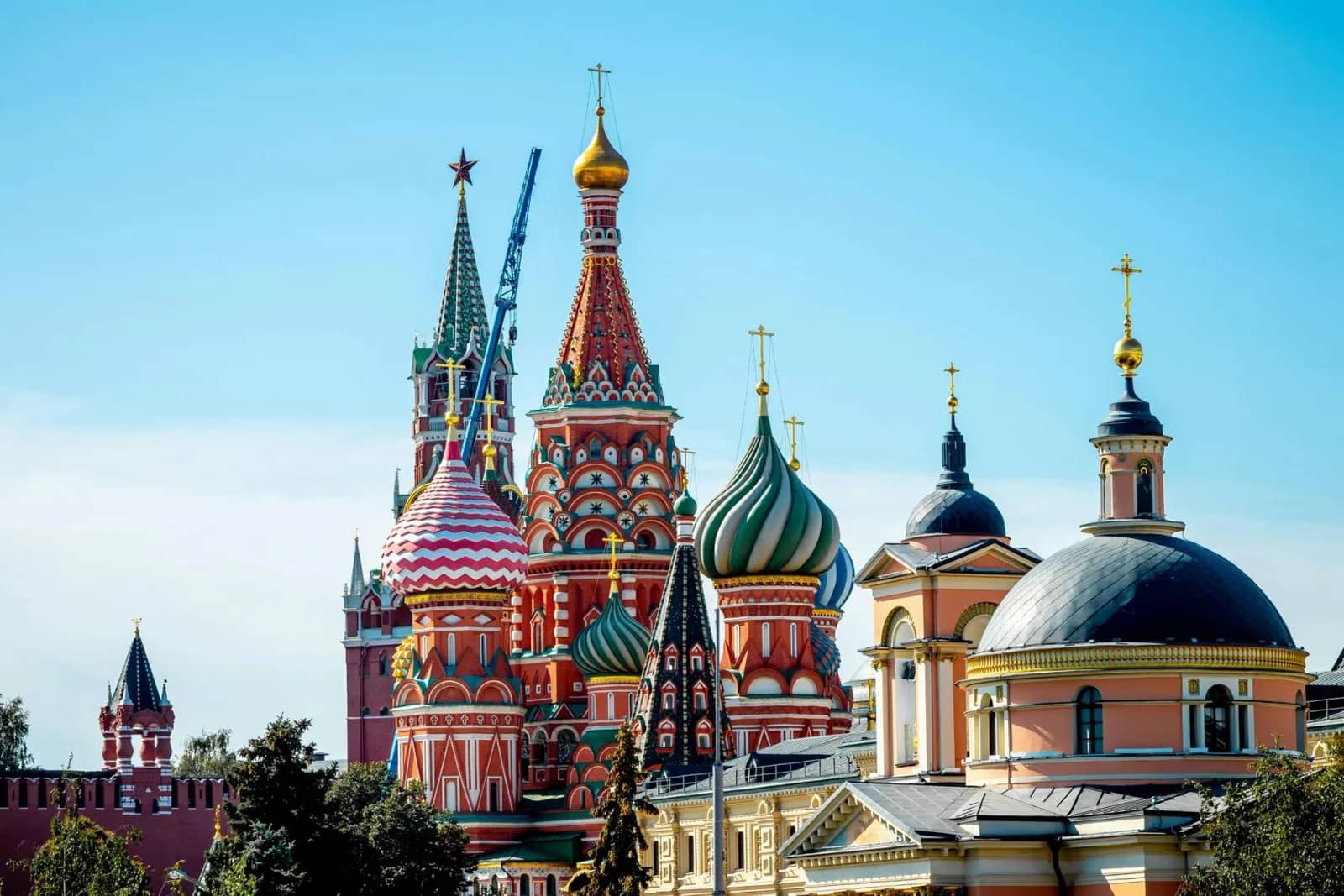
Britain applied banking-style sanctions to crypto exchanges for the first time, requiring U.K. financial firms and crypto service providers to freeze funds and trace transactions.
The measures mark one of the country’s strongest moves yet against Russia’s use of cryptocurrencies and alternative payment systems.
Tap a lens to see what this story means for you.
Liked this? The Brief brings you the whole day in tech, verified, every morning.
Two minutes, free forever. What's in The Brief →
See what’s happening right now
The Feed runs all day — short, verified briefs the moment they break.
Open the FeedFollow @thecircuitry_
Every story we publish, as it happens. No noise between.
Reader-supported
The Circuitry is a passion project I've always wanted to build, and I love the work behind it.
Running it costs real money. APIs, hosting, time. To keep improving the site and growing this into something useful for everyone, those costs have to be covered.
Any contribution is appreciated. If not, no pressure. Thanks for reading.
The US Treasury published a proposed rule on October 22, 2026 to implement the COINS Act, widening limits on US investment in sensitive tech in countries of concern. Separately, DHS ordered DeepSeek products excluded and removed from federal civilian agency systems. The Treasury rule is not final; comments are due December 7.
CoinTelegraph reports on a proposed US accounting change for stablecoins, an FSB letter warning G20 officials about stablecoin oversight gaps and AI risks, and XRP Ledger developers defending a September emergency patch that bypassed the usual vote.
The SEC advanced regulations permitting investment advisers and funds to custody crypto assets under defined conditions, establishing a regulatory path following the Clarity Act blockage last month.
Metaplanet secured approval for a 93.7% stake in Super League, USD1 lost over $400 million in market cap, and Qubic reportedly paused after an about $1.4 million exploit.
Richard Heart's detention in Istanbul preceded a roughly $246 million drop in HEX's market cap, Ledger unveiled its $849 Atom wallet, and Starknet put a post-quantum layer-1 move to a vote, per Cointelegraph's weekly digest.