The WPO365 WordPress plugin has patched two high-severity vulnerabilities in versions through 44.1. Both flaws could allow unauthenticated attackers to achieve site takeover or persistent script injection.
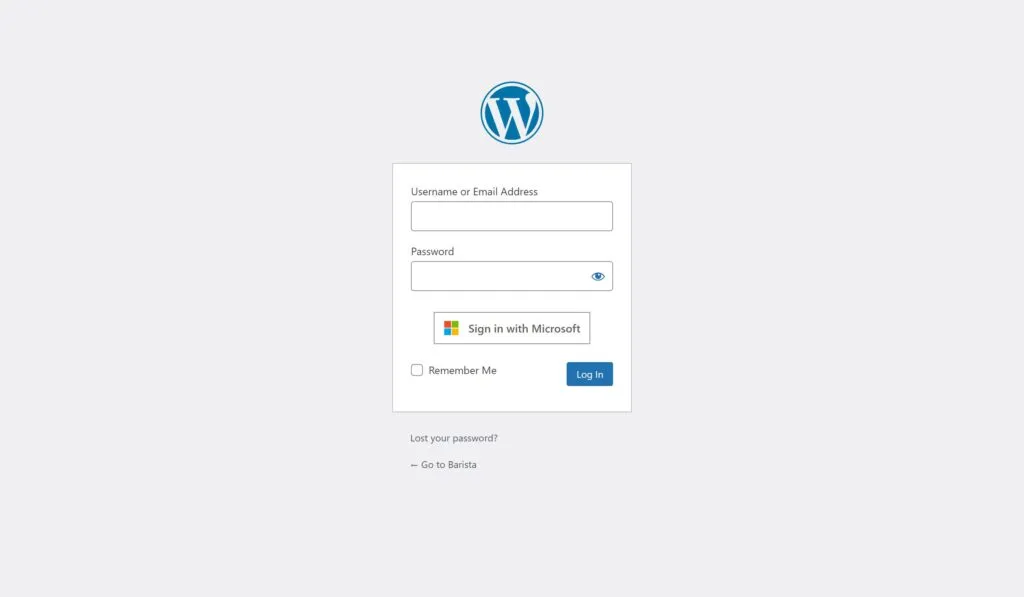
Unauthenticated attackers who possess a previously issued valid id_token can replay it to authenticate as any WordPress user, including administrators.
The payload is stored in the wpo365_errors transient for up to three days after a crafted request containing malicious HTML in the base64url-decoded unique_name or iss claim.
Tap a lens to see what this story means for you.
Liked this? The Brief brings you the whole day in tech, verified, every morning.
Two minutes, free forever. What's in The Brief →
See what’s happening right now
The Feed runs all day — short, verified briefs the moment they break.
Open the FeedFollow @thecircuitry_
Every story we publish, as it happens. No noise between.
Reader-supported
The Circuitry is a passion project I've always wanted to build, and I love the work behind it.
Running it costs real money. APIs, hosting, time. To keep improving the site and growing this into something useful for everyone, those costs have to be covered.
Any contribution is appreciated. If not, no pressure. Thanks for reading.
Winsiderss System Informer versions through 4.0.26241.138 contain an incorrect authorization flaw that lets local attackers execute code as SYSTEM from any signed process. Vulncheck rates the issue 7.8 and 8.5.
Netease-youdao LobsterAI versions 2026.5.27 through 2026.9.23 contain CVE-2026-108156, a high-severity flaw that enables arbitrary directory deletion via a crafted skill's _meta.json file. The vulnerability carries a CVSS score of 7.1 and requires only that a user install the malicious skill.
PHPNuxBill through 2025.3.20 is affected by CVE-2026-108108, a CVSS 7.1 authentication bypass in RADIUS CHAP verification. Attackers with a valid username can gain network access and consume customer plans using any password.
IBM has disclosed four more flaws in Security Verify Access and Verify Identity Access, including a code execution bug it rates critical at 9.1 (NVD: 8.8). Versions 10.0 to 10.0.9.2 and 11.0 to 11.0.3 are affected. IBM says to upgrade to 10.0.9.3 or 11.0.3.1.
Microsoft has disclosed CVE-2026-83947, a CVSS 7.7 HIGH spoofing vulnerability in Azure Event Grid caused by missing authorization. Microsoft says it has already fully mitigated the cloud-service flaw and customers have nothing to do.