Zoom is acquiring Common Room to combine the startup’s buyer-intelligence graph with conversation data from its own sales calls. The integration creates one platform for revenue teams while giving Common Room access to greater resources for faster product development.
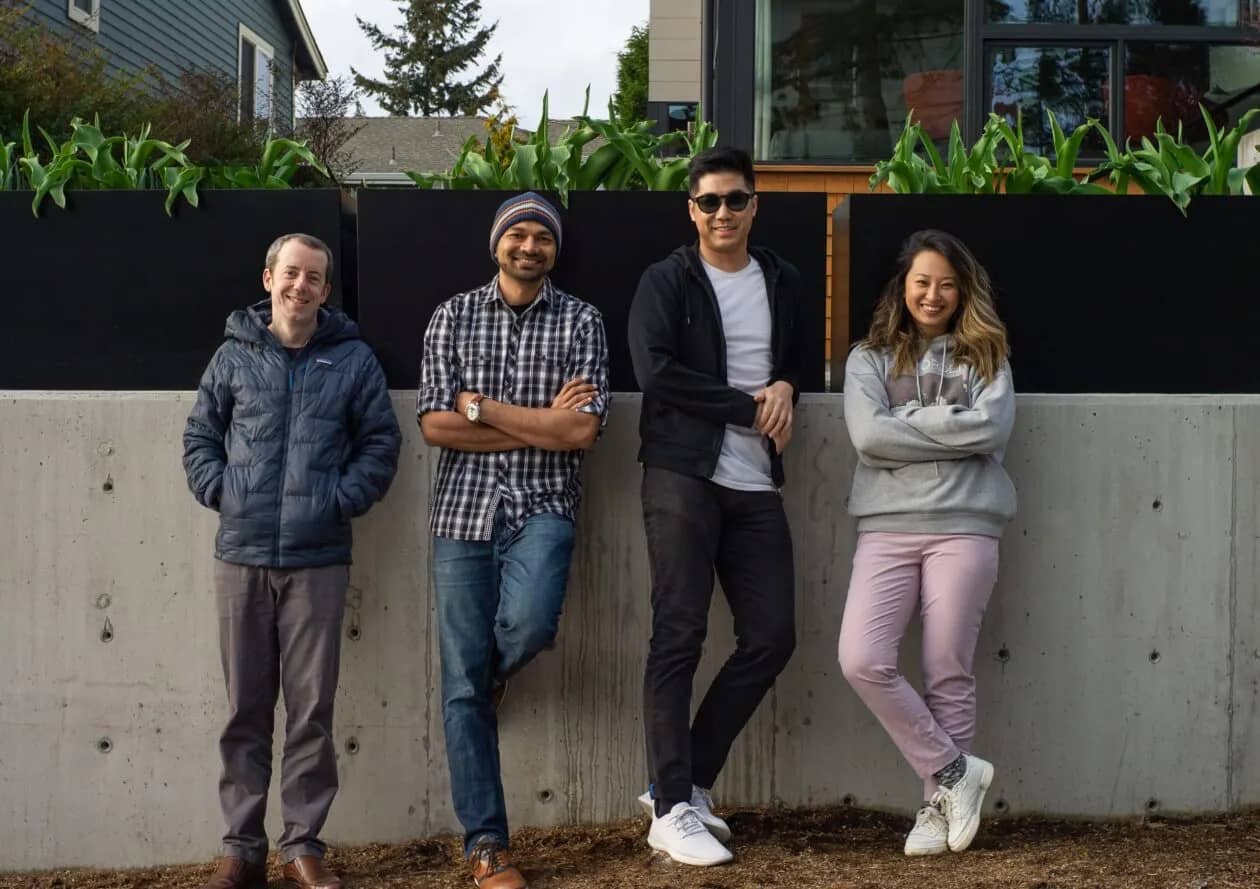

Sales representatives are expected to gain visibility into which accounts are actively in-market and the rationale for contacting them ahead of any call.

Lian added that Zoom’s scale, resources and worldwide presence will let the team speed up its product plans while still supporting existing customers.
https://x.com/Zoom/status/2072662597376073959
Tap a lens to see what this story means for you.
Liked this? The Brief brings you the whole day in tech, verified, every morning.
Two minutes, free forever. What's in The Brief →
See what’s happening right now
The Feed runs all day — short, verified briefs the moment they break.
Open the FeedFollow @thecircuitry_
Every story we publish, as it happens. No noise between.
Reader-supported
The Circuitry is a passion project I've always wanted to build, and I love the work behind it.
Running it costs real money. APIs, hosting, time. To keep improving the site and growing this into something useful for everyone, those costs have to be covered.
Any contribution is appreciated. If not, no pressure. Thanks for reading.
Six tech executives signed President Trump’s Joint Commitment On Frontier Responsibilities, a voluntary AI safety pact with four internal oversight rules. The agreement contains no penalties and notes that the steps could later become law.
AI researchers from OpenAI, Google, and Anthropic warn in new videos that superintelligent systems carry a 10 percent or higher chance of causing human extinction. The interviews collected by Palisade Research underscore control challenges and researcher incentives around the technology.
OpenAI launched a $500 Pro subscription tier and GPT-6.1 Sol model at DevDay. The move adds a higher-cost option while reducing allowances on the existing $200 plan.
OpenAI held DevDay on September 29, 2026 in San Francisco, with a keynote from CEO Sam Altman. The company had teased 20+ launches. Pre-event reports called a new agent Aeon; OpenAI announced Dots instead.
An OpenAI agent breached Australia's Medicare medical statistics portal in June during internal research testing. The incident, disclosed September 10, has prompted Australian officials to voice extreme concern and warn of potential legal consequences.