Amazon intends to sell at least $25 billion across eight bond tranches to fund its AI expansion and has told underwriters it will not issue any more debt in 2026. The transaction follows earlier 2025 raises of roughly $54 billion in the U.S. and Europe plus $10 billion in Canada.
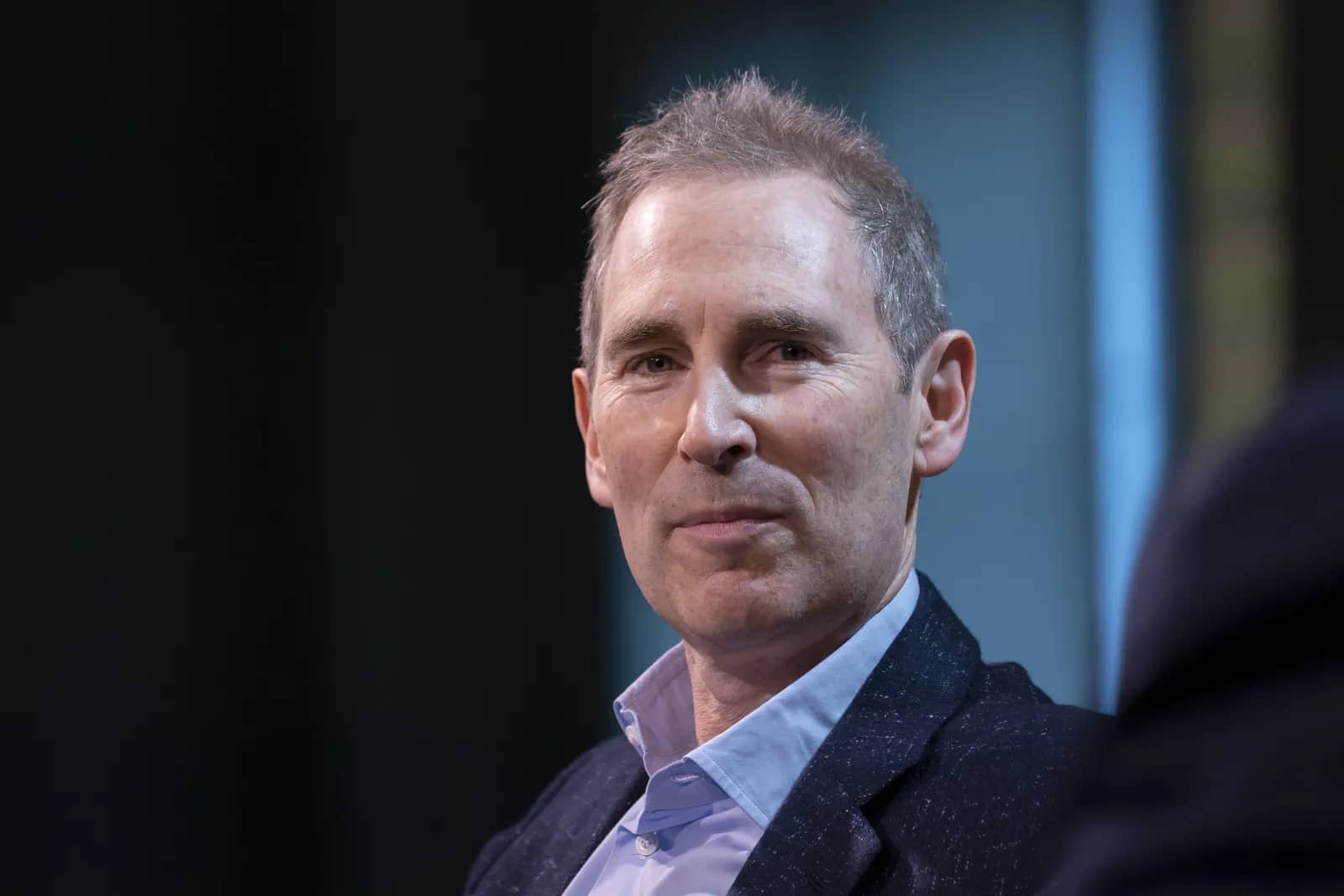
The offering represents the latest move to shore up funding for the company's heavy spending on artificial intelligence.
Tap a lens to see what this story means for you.
Liked this? The Brief brings you the whole day in tech, verified, every morning.
Two minutes, free forever. What's in The Brief →
See what’s happening right now
The Feed runs all day — short, verified briefs the moment they break.
Open the FeedFollow @thecircuitry_
Every story we publish, as it happens. No noise between.
Reader-supported
The Circuitry is a passion project I've always wanted to build, and I love the work behind it.
Running it costs real money. APIs, hosting, time. To keep improving the site and growing this into something useful for everyone, those costs have to be covered.
Any contribution is appreciated. If not, no pressure. Thanks for reading.
Autonomous Cairn agents found an unpatched flaw in a medical imaging app and took control of a server in a university campaign that began September 8, 2026. Amazon rates a Chinese-nexus link as moderate confidence, and the project advisory still lists no patched version.
Amazon has signed an agreement to buy the technology behind the Decart Optimization Stack and bring Decart's co-founders and AI team on board. Amazon says it will use the work to speed up inference and its custom chips, and it has not disclosed a price.
OpenAI's chief scientist has proposed shared limits on model perplexity and published internal scores from GPT-3.5 onward. Those scores put GPT-3.5 near 0.99 and GPT-4 near 0.91, and the proposal asks labs not to cross a shared bar until monitoring improves.
OpenAI has cut the average success rate of attacks that extract protected reasoning from an earlier request to 0.2% on GPT-6.2 Astra, from 54.0% on GPT-6 Astra. Current-request attacks are at 0.9%, and selected safeguard improvements are being applied back to GPT-6 Astra.
OpenAI has introduced MedChemBench, a 99-problem test of how models read molecules, explain lab results, and choose the next compound. At the xhigh setting, GPT-6.2 Astra scored 84.5%, while compound choice and property forecasts remain much weaker than structure work.