Google has rolled out a selfie video option that lets users recover their Google Accounts by recording head movements for comparison against a stored video. The encrypted feature adds another recovery method while recommending multiple sign-in options and includes safeguards against AI-based impersonation.
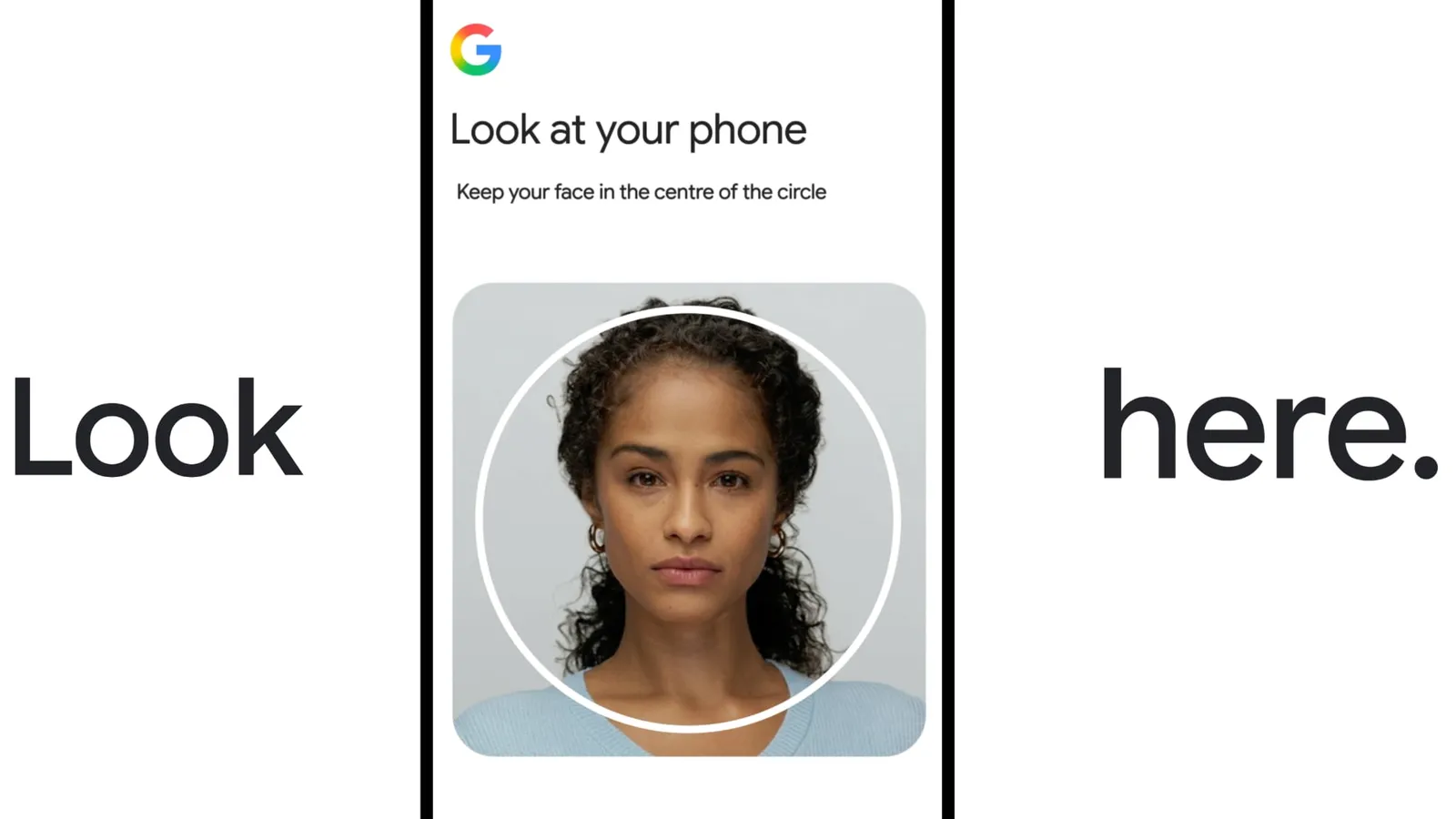
The system incorporates multiple layers of security specifically designed to prevent impersonation attempts such as those using AI-generated photos and videos.
Selfie videos were previously tested in Brazil before today's wider introduction.
Tap a lens to see what this story means for you.
Liked this? The Brief brings you the whole day in tech, verified, every morning.
Two minutes, free forever. What's in The Brief →
See what’s happening right now
The Feed runs all day — short, verified briefs the moment they break.
Open the FeedFollow @thecircuitry_
Every story we publish, as it happens. No noise between.
Reader-supported
The Circuitry is a passion project I've always wanted to build, and I love the work behind it.
Running it costs real money. APIs, hosting, time. To keep improving the site and growing this into something useful for everyone, those costs have to be covered.
Any contribution is appreciated. If not, no pressure. Thanks for reading.
Google is beginning to roll out Personal Intelligence in Gemini to Android Auto today, with cars that have Google built-in following in the next few months. The feature is off by default and lets Gemini use data from apps like Gmail and Calendar to answer driving requests.
Google's Gemini 4 Argon is a robotics-focused model that scores 87% on the Embodied Reasoning benchmark. The model enables new control, simulation, and self-improvement workflows across the robotics stack.
Google made Gemini 4 Argon available worldwide on October 13 for Pro and Ultra subscribers as well as API users. The move includes Pro access not mentioned in earlier plans and adds openings for new partners plus researchers.
Google has officially launched the Fitbit Edge fitness tracker with a 46 percent larger display and a replaceable battery. The device targets users seeking notifications and improved tracking without full smartwatch complexity.
Google DeepMind, Meta, and Isomorphic Labs are investing $300 million in Biohub to build AI datasets for a virtual cell model. The funding is part of a $1.8 billion initiative that also includes contributions from the Department of Energy and National Institutes of Health.