The Circuitry
THE CIRCUITRYYour one-stop source for all tech news
HOMETODAYNEWSFEEDEVENTS
BOOKMARKS
RSS
© 2026 The Circuitry
About UsSourcesContactCorrectionsPrivacy
  • Today
  • Feed
  • Events
  • Saved
Scroll for more
Verification
VERIFIEDConfidence: HIGH
Source identified
Claims cross-referenced
No discrepancies found
Fact-check summary

TechCrunch, Business Insider and other outlets corroborate Meta's July 2 launch of the AI Pocket app for creating/sharing interactive gizmos, based on Atma Sciences tech.

Sourcing
1source

via The Verge

The Verge · track record
76Stories
100%Verified
1730d
All sources →
Markets
META···

Live quote · not investment advice

Home/Tech/Meta launches AI-focused Pocket app unlike original
VERIFIEDBy Xavier Rivera· ·1.5 min read

Meta launches AI-focused Pocket app unlike original

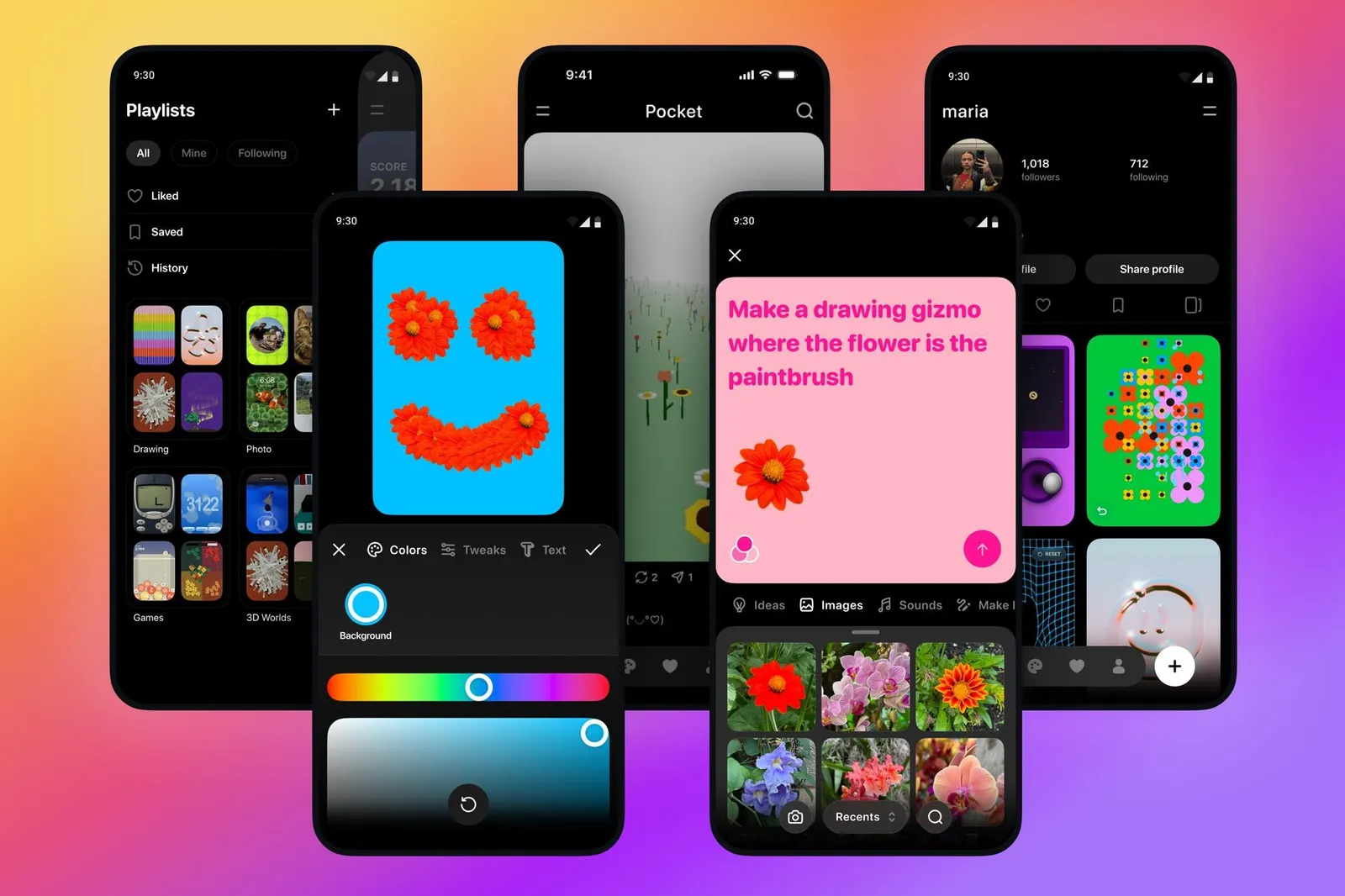
Meta has launched Pocket, an AI app for creating and sharing interactive gizmos that bears no resemblance to the former read-it-later service. The move advances Zuckerberg's vision of AI-powered social experiences while the app rolls out outside the US.
Source:The Verge
Post
Meta launches AI-focused Pocket app unlike original
TL;DRAI · 60 sec read

Meta launches Pocket, an app for building and sharing AI-powered interactive gizmos that react to touch, tilt, sound, and camera input. Unrelated to the prior Mozilla service, it stems from Meta's acquisition of tech from Atma Sciences. The release supports Zuckerberg's view of AI as the foundation for new social media. It remains unavailable in the US.

Meta has launched a new app called Pocket that has no relation to the read-it-later service previously operated by Mozilla.

Meta reuses the Pocket name for an AI social feed. The app lets users create and share interactive "gizmos" built from an AI prompt. Gizmos respond to touch, phone tilt, sound effects, favorite songs, camera input or photos from a user's camera roll, according to Meta's Google Play description.
Some gizmos can reason about the world around them.

Some gizmos can reason about the world around them. When posting a gizmo, users can choose to let others remix it. Meta describes a gizmo as a "playable AI-generated experience" on its help center page.

The app follows Meta's acquisition of technology from Atma Sciences. Meta hired engineers from Atma Sciences Inc., the company behind an app called Gizmo, as Business Insider reported in March. Meta received a non-exclusive license to use the company's technology, and screenshots of Pocket on Google Play show it looks similar to Gizmo.
From The CircuitryThe Feed — live briefs across tech, all day.See what’s happening →

This launch aligns with Meta CEO Mark Zuckerberg's vision of AI as the new social media. He has previously described how users could use AI to make interactive experiences and share them with others. The Pocket app appears to be one manifestation of that idea.
This launch aligns with Meta CEO Mark Zuckerberg's vision of AI as the new social media.

Pocket remains unavailable in the US for now. Two US-based Verge staffers saw a note on the Google Play listing stating the app "isn't available in your country." It cannot be found on Apple's US App Store. Meta notes in its help center that the app is "not yet available everywhere."
Meta did not immediately reply to a request for comment from The Verge. Mozilla shut down the original Pocket app last year. The new version shifts entirely away from saving articles toward AI-driven social sharing.
Why this mattersAI · ~100 words

Tap a lens to see what this story means for you.

Reader-supported
DonateBuy me a coffee →Follow@thecircuitry_ →Follow@thecircuitry.to →

Reader-supported · Daily Brief

Daily brief at 7 AM ET. Top tech stories, every morning. Sourced and fact-checked.

HELP US IMPROVE
From The Circuitry

See what’s happening right now

The Feed runs all day — short, verified briefs the moment they break.

Open the Feed →
From The Circuitry

Follow @thecircuitry_

Every story we publish, as it happens. No noise between.

Follow on X ↗On Bluesky ↗

Reader-supported

The Circuitry is a passion project I've always wanted to build, and I love the work behind it.

Running it costs real money. APIs, hosting, time. To keep improving the site and growing this into something useful for everyone, those costs have to be covered.

Any contribution is appreciated. If not, no pressure. Thanks for reading.

Buy me a coffee
MetaAIApps
More fromThe Verge
  • Xbox employees test disc-to-digital conversion feature

    Gaming · 1d
  • FTC fines Amazon $2.25 million over alleged failures to aid identity theft victims

    Tech · 2d
  • Xbox reportedly mulls shuttering at least five studios and axing Blade

    Gaming · 2d
More inTech
  • Stellantis Drops Hybrid, Combustion for Future 2CV and Small EVs

    Tech · 1h
  • Tesla launches six-seat Model Y L in US and Puerto Rico

    Tech · 3h
  • Amazon Leo reaches 396 satellites after Atlas 5 launch

    Tech · 3h
SupportThe Work

The Circuitry is reader-supported. If you find the daily brief useful, you can buy me a coffee to keep it going.

Buy a coffee →
SubscribeCircuitry Brief

Daily brief at 7 AM ET. Top tech stories, every morning.

MORE IN TECH

Stellantis Drops Hybrid, Combustion for Future 2CV and Small EVs

Stellantis will offer its future 2CV-inspired small city cars exclusively as electric models, dropping previously promised hybrid and combustion options. The move, set for 2028 launch at under €15,000, is driven by development costs and new EU CO2 calculation rules that favor small EVs.

Tesla launches six-seat Model Y L in US and Puerto Rico

Tesla confirmed the Model Y L, a stretched six-seat three-row version of its best-selling SUV, is now configurable in the US and Puerto Rico as a Launch Series priced at $61,990. The higher price would position it above Tesla’s Model Y Performance and its main three-row EV competitors.

Amazon Leo reaches 396 satellites after Atlas 5 launch

Amazon Leo has reached 396 operational satellites after its final Atlas 5 launch, clearing the way for initial commercial broadband service later in 2026. The network will compete with Starlink in limited latitudes at first while scaling toward full deployment by mid-2029.