Tesla confirms its Full Self-Driving system was engaged when a Model 3 accelerated to 73 mph off a Katy, Texas, residential road and into a home, killing a 76-year-old woman. The company blames the driver for manually overriding at 100 percent accelerator pressure and questions its own liability.
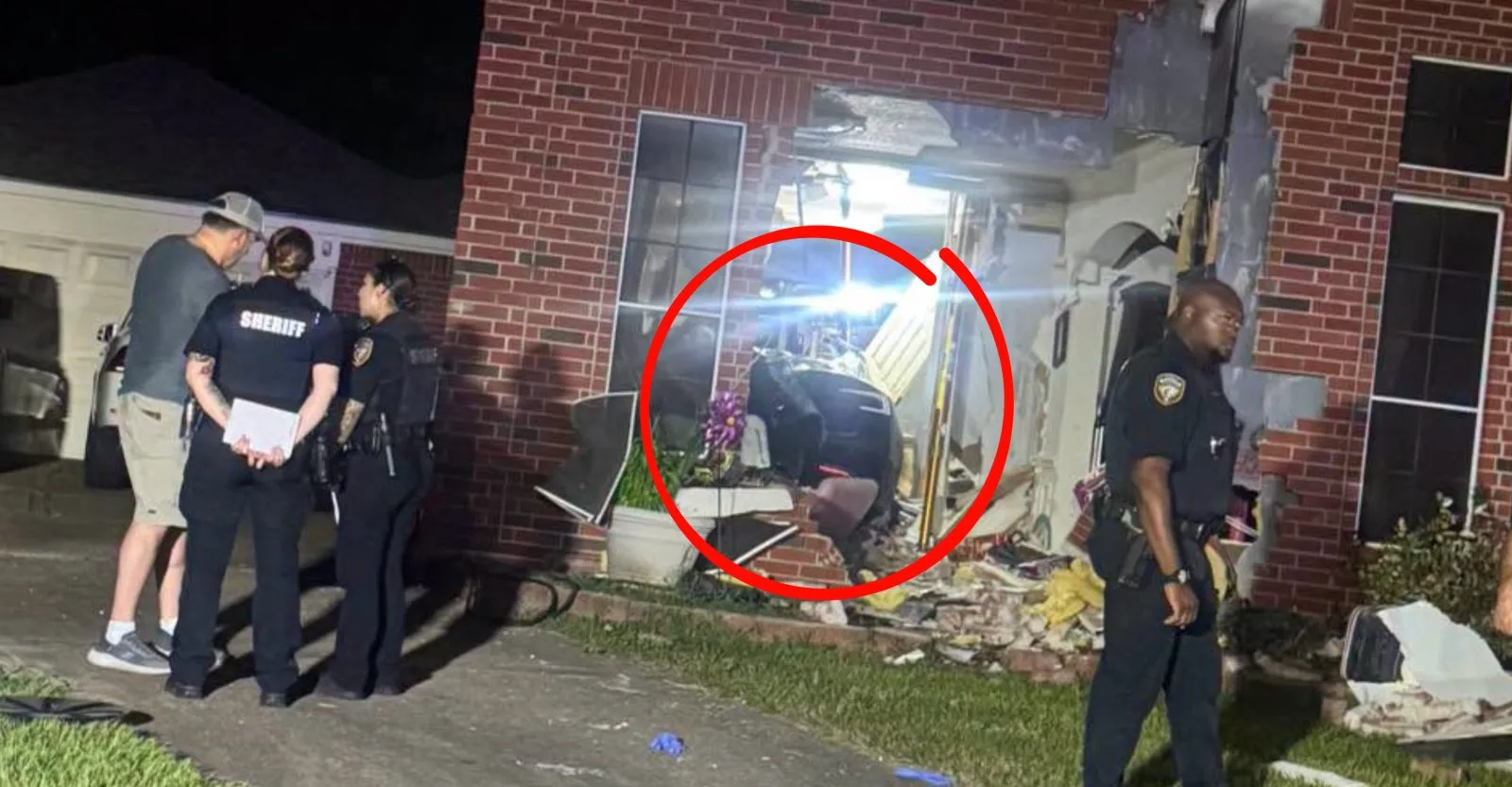
The admission establishes that the automated system was engaged when the Model 3 left the roadway.
https://x.com/elonmusk/status/2069161438812278946
Tesla has not disclosed any preceding system alerts, driver monitoring activity or other details from the moments before the acceleration began.
Tap a lens to see what this story means for you.
Liked this? The Brief brings you the whole day in tech, verified, every morning.
Two minutes, free forever. What's in The Brief →
See what’s happening right now
The Feed runs all day — short, verified briefs the moment they break.
Open the FeedFollow @thecircuitry_
Every story we publish, as it happens. No noise between.
Reader-supported
The Circuitry is a passion project I've always wanted to build, and I love the work behind it.
Running it costs real money. APIs, hosting, time. To keep improving the site and growing this into something useful for everyone, those costs have to be covered.
Any contribution is appreciated. If not, no pressure. Thanks for reading.
Digital Bros has canceled Armed Fantasia, the Kickstarter-funded RPG intended as a spiritual successor to Wild Arms, along with the Battle Island sequel. The publisher recorded an 18.7 million euro non-cash impairment in its FY2026 results after multiple gameplay reviews and market considerations.
CISA KEV entry for the CVE-2026-71362 incorrect authorization flaw in Adobe Commerce and Magento shows date added 2026-09-24. Federal agencies must apply mitigations by 2026-09-27 under BOD 26-04 rules.
Bungie has published a roadmap for Marathon covering updates from October 2026 to March 2027 that expand game modes and player options. The changes aim to support different playstyles while preserving the core PvEvP experience.
The Witcher 3 Remastered update launches September 29, 2026, as a free next-gen upgrade with new features and improved visuals. The staggered rollout occurs on the same day.
Anthropic has announced a third-party on-site AI safety evaluation program using staff from Accenture-owned Faculty. The two companies each committed at least $1 billion over five years to establish the embedded auditing mechanism.