The Circuitry
THE CIRCUITRYYour one-stop source for all tech news
HOMETODAYNEWSFEEDEVENTS
BOOKMARKS
RSS
© 2026 The Circuitry
About UsSourcesContactCorrectionsPrivacy
  • Today
  • Feed
  • Events
  • Saved
Scroll for more
Verification
VERIFIEDConfidence: HIGH
Source identified
Claims cross-referenced
No discrepancies found
Fact-check summary

Multiple outlets (Cars.com, InsideEVs, GM Authority) confirm Toyota delaying 2027 Highlander EV production, extending gas/hybrid versions.

Sourcing
1source

via Electrek

Electrek · track record
32Stories
100%Verified
1930d
All sources →
Home/Tech/Toyota postpones 2027 Highlander BEV output
VERIFIEDBy Xavier Rivera· ·1.5 min read

Toyota postpones 2027 Highlander BEV output

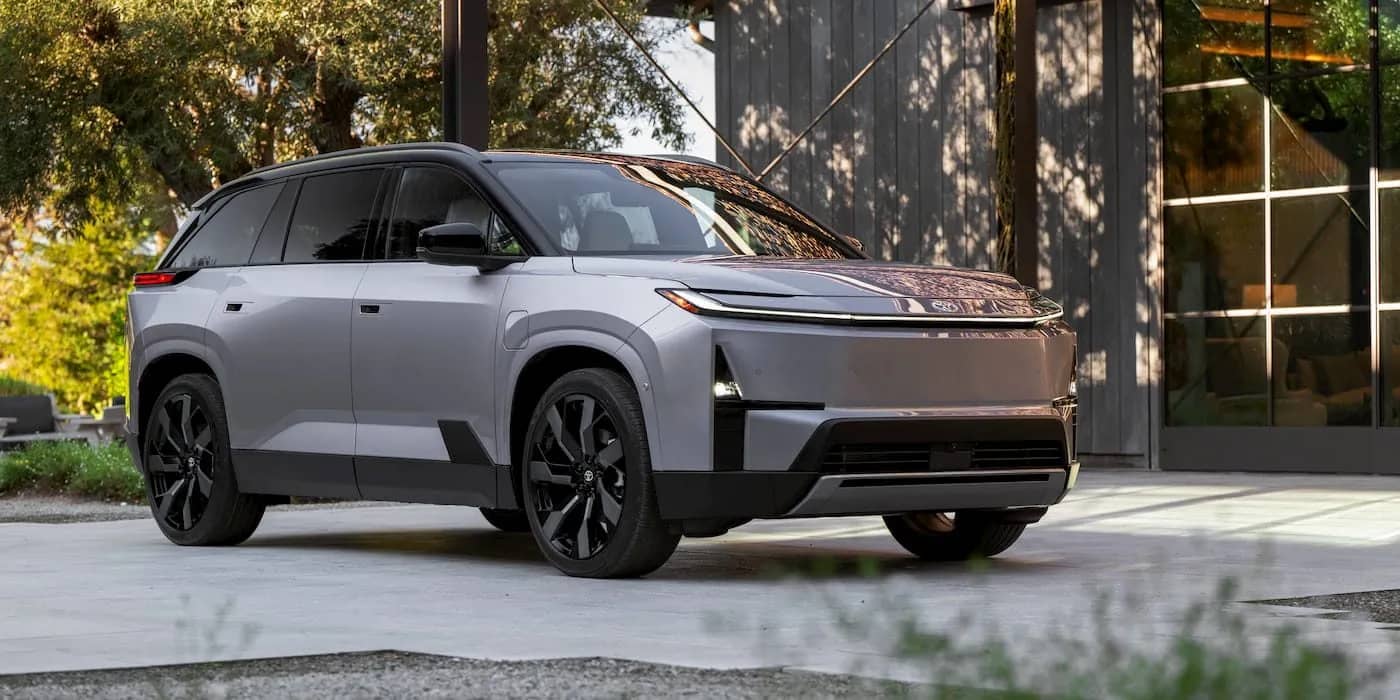
Toyota is pushing back output of its initial three-row battery-electric SUV, the 2027 Highlander BEV, and will keep the existing gasoline and hybrid Highlander models on sale longer while three new electric SUVs gain U.S. traction.
Source:Electrek
Post
Toyota postpones 2027 Highlander BEV output
TL;DRAI · 60 sec read

Toyota postpones output of the 2027 Highlander BEV beyond its prior 2026 target and extends sales of existing gas and hybrid versions. The shift lets Toyota focus on three other electric SUVs already reaching US buyers, including the updated bZ that ranks among top-selling EVs, leaving the company without any three-row battery model until the delayed Highlander arrives.

Toyota is pushing back output of its initial three-row battery-electric SUV, the 2027 Highlander BEV, and will keep selling the existing gasoline and hybrid versions of the Highlander longer than planned.
2027 Toyota Highlander EV three-row electric SUV exterior
2027 Toyota Highlander EV three-row electric SUV exterior · Toyota
Toyota pushes back its three-row EV timeline. A Toyota spokesperson confirmed to Cars.com that production of the all-electric 2027 Highlander SUV has been delayed. The company had previously planned to launch the model by the end of 2026.
It is even outpacing the Chevy Equinox EV in current sales.
The postponement arrives while Toyota concentrates on three fresh electric SUVs that are already reaching American buyers. The lineup consists of the refreshed 2026 bZ, the C-HR and the bZ Woodland.
2027 Toyota Highlander EV three-row seating and interior
2027 Toyota Highlander EV three-row seating and interior · Toyota
Updated bZ gains traction in the US market. The new and improved bZ, still sold as the bZ4X overseas, ranks among America's top-selling electric vehicles. It is even outpacing the Chevy Equinox EV in current sales.
From The CircuitryThe Feed — live briefs across tech, all day.See what’s happening →
Toyota is now moving EVs that appeal to shoppers, judging from the early results of its revised offerings. The trio of updated models reflects a pivot to more desirable battery-electric choices for U.S. customers.
The decision leaves the automaker without any three-row EV until the postponed Highlander BEV finally reaches showrooms.
Highlander nameplate remains gas and hybrid focused for now. Buyers seeking a three-row electric Highlander will wait longer than initially expected. Toyota has chosen to extend availability of the existing gas and hybrid versions of the Highlander instead.
The decision leaves the automaker without any three-row EV until the postponed Highlander BEV finally reaches showrooms. Toyota has offered no revised schedule for the vehicle.
Why this mattersAI · ~100 words

Tap a lens to see what this story means for you.

Reader-supported
DonateBuy me a coffee →Follow@thecircuitry_ →Follow@thecircuitry.to →

Reader-supported · Daily Brief

Daily brief at 7 AM ET. Top tech stories, every morning. Sourced and fact-checked.

HELP US IMPROVE
From The Circuitry

See what’s happening right now

The Feed runs all day — short, verified briefs the moment they break.

Open the Feed →
From The Circuitry

Follow @thecircuitry_

Every story we publish, as it happens. No noise between.

Follow on X ↗On Bluesky ↗

Reader-supported

The Circuitry is a passion project I've always wanted to build, and I love the work behind it.

Running it costs real money. APIs, hosting, time. To keep improving the site and growing this into something useful for everyone, those costs have to be covered.

Any contribution is appreciated. If not, no pressure. Thanks for reading.

Buy me a coffee
ToyotaEVHighlanderAutomotive
More fromElectrek
  • Xiaomi launches Sky Nomad EREV brand with 1,500 km SUV

    Tech · 1d
  • Ford recalls 42,784 Mustang Mach-E over rear differential fault

    Tech · 2d
  • Rivian announces sale of 75 million shares in $1.5 billion equity offering

    Tech · 2d
More inTech
  • OpenAI Debuts GPT-5.6 Models and ChatGPT Work Agent

    Tech · 1h
  • Microsoft to expand Patch Tuesday security releases with AI

    Tech · 1h
  • SAP ends EU antitrust probe by dropping legacy support fees

    Tech · 1h
SupportThe Work

The Circuitry is reader-supported. If you find the daily brief useful, you can buy me a coffee to keep it going.

Buy a coffee →
SubscribeCircuitry Brief

Daily brief at 7 AM ET. Top tech stories, every morning.

MORE IN TECH

OpenAI Debuts GPT-5.6 Models and ChatGPT Work Agent

OpenAI has now made its GPT-5.6 family of models public at the same time it introduced the ChatGPT Work agent, arriving two days after Anthropic expanded its competing Claude Cowork service. The overlapping launches highlight an intensifying race between the companies to equip non-technical staff with automated document tools.

Microsoft to expand Patch Tuesday security releases with AI

Microsoft is expanding the number of fixes delivered in each Patch Tuesday release for Windows 11 by using AI to surface potential security issues earlier. The adjustment comes amid rising AI-assisted vulnerability hunting and exploitation by both attackers and security researchers.

SAP ends EU antitrust probe by dropping legacy support fees

SAP has scrapped reinstatement charges and cut fees for prior unpaid coverage, prompting the European Commission to end its antitrust investigation into the company's aftermarket practices. The changes lower barriers for customers using legacy ECC software who may want to switch to third-party maintenance ahead of the 2027 support cliff.