The Circuitry
THE CIRCUITRYYour one-stop source for all tech news
HOMETODAYNEWSFEEDEVENTS
BOOKMARKS
RSS
© 2026 The Circuitry
About UsSourcesContactCorrectionsPrivacy
  • Today
  • Feed
  • Events
  • Saved
Scroll for more
Verification
VERIFIEDConfidence: HIGH
Source identified
Claims cross-referenced
No discrepancies found
Fact-check summary

Nikkei, Automotive News, Electrek, InsideEVs and others confirm Toyota canceled Lexus LF-ZC electric sedan production plans, citing market demand and workload.

Sourcing
1source

via Frandroid

Frandroid · track record
52Stories
100%Verified
630d
All sources →
From The CircuitryWhy The Circuitry

Verified tech news, cross-checked.

Every story is checked against independent sources before it posts — no rumors dressed up as fact.

How we verify →
Home/Energy/Toyota Abandons Lexus LF-ZC Electric Sedan for 2026
VERIFIEDBy Xavier Rivera· ·2 min read

Toyota Abandons Lexus LF-ZC Electric Sedan for 2026

Toyota has abandoned its planned Lexus LF-ZC electric sedan that was due by the end of 2026. The company will instead focus on larger SUVs while continuing solid-state battery and gigacasting development for future EVs.
Source:Frandroid
Post
Toyota Abandons Lexus LF-ZC Electric Sedan for 2026
From The CircuitryWhy The Circuitry

Verified tech news, cross-checked.

Every story is checked against independent sources before it posts — no rumors dressed up as fact.

How we verify →
TL;DRAI · 60 sec read

Toyota abandons its planned Lexus LF-ZC electric sedan that was set to arrive by 2026. Fluctuations in market demand along with manufacturing workload drive the cancellation. Toyota focuses on larger SUVs instead and continues developing solid-state batteries and gigacasting technology for its next electric vehicles as sales of zero-emission models grow.

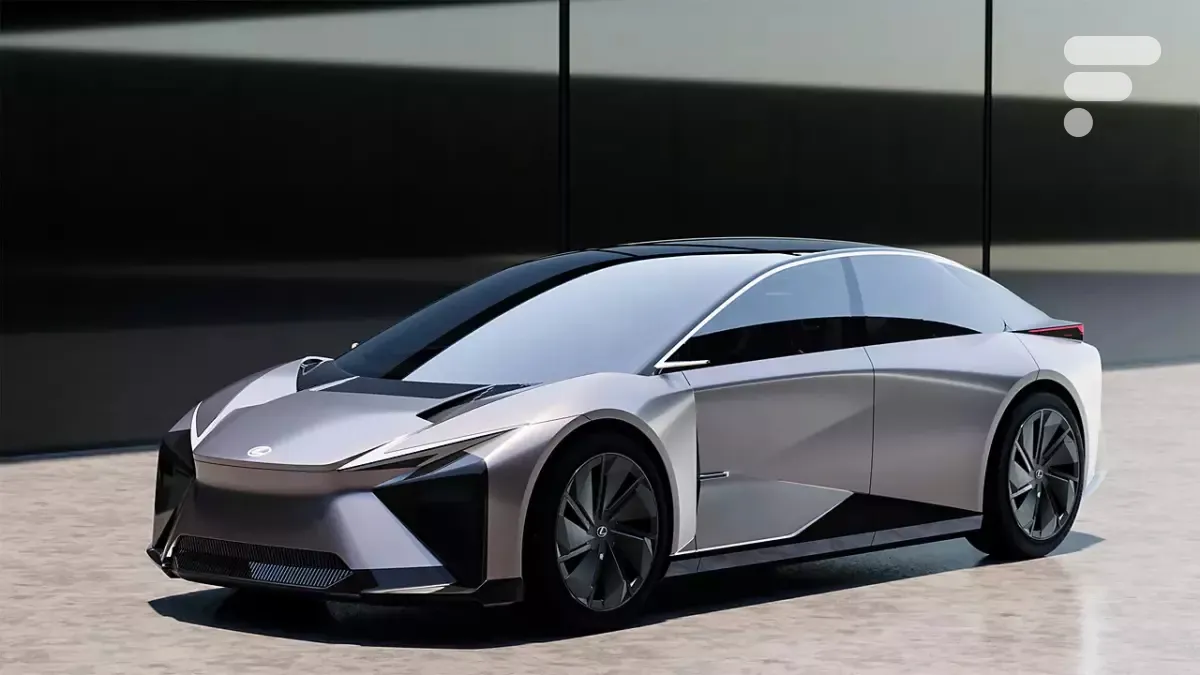
Toyota has officially abandoned development of its electric sedan derived from the Lexus LF-ZC concept. The project, which had been due to arrive by the end of 2026, is now canceled.

The LF-ZC project is shelved after concept unveiling. The Lexus LF-ZC was unveiled at the Japan Mobility Show in October 2023. It was supposed to spawn a production vehicle revealed during 2026.

This will not be the case. Toyota has now officially abandoned development of the car, according to Nikkei.
The Japanese firm has never truly believed in them, though its stance has evolved under new chief executive Koji Sato.
Market demand and workload drive the cancellation. A company spokesperson says the project has been shelved because of fluctuations in market demand and the workload linked to the planning and manufacturing of vehicles. Production had originally been scheduled to begin in 2026 before being postponed to 2027.

The decision comes as Toyota remains somewhat behind on electric vehicles. The Japanese firm has never truly believed in them, though its stance has evolved under new chief executive Koji Sato.

Toyota redirects focus to larger SUVs. The automaker now intends to focus instead on larger SUVs. At the same time, the company does not want to abandon combustion-engine models entirely, in which it still believes.
From The CircuitryThe Feed — live briefs across tech, all day.See what’s happening →

The electric sedan was initially to be produced in Japan, specifically in Aichi Prefecture.
At the same time, the company does not want to abandon combustion-engine models entirely, in which it still believes.
Zero-emission sales rose despite the cancellation. Toyota’s zero-emission vehicle sales rose 42% worldwide in 2025. They exceeded 190,000 units, thanks in particular to the bZ4X.

Next-generation EV technologies stay in development. Toyota will continue developing its technologies, starting with the solid-state battery. The automaker must still find ways to overcome certain obstacles tied to large-scale industrialization but promises that the first production vehicles equipped with it will be launched as early as 2027.

The company is also working on gigacasting, a method that involves manufacturing an entire vehicle chassis in a single piece. This makes it possible to drastically reduce production costs.
From The CircuitryWhy The Circuitry

Verified tech news, cross-checked.

Every story is checked against independent sources before it posts — no rumors dressed up as fact.

How we verify →
These two innovations could subsequently be used on other future models from the Japanese group. The spokesperson states that the cancellation of this specific development project does not mean that Toyota has given up on the development of next-generation electric vehicles.
Why this mattersAI · ~100 words

Tap a lens to see what this story means for you.

Morning Brief

Liked this? The Brief brings you the whole day in tech, verified, every morning.

Two minutes, free forever. What's in The Brief →

Reader-supported
DonateBuy me a coffee →Follow@thecircuitry_ →Follow@thecircuitry.to →
HELP US IMPROVE
From The Circuitry

See what’s happening right now

The Feed runs all day — short, verified briefs the moment they break.

Open the Feed →
From The Circuitry

Follow @thecircuitry_

Every story we publish, as it happens. No noise between.

Follow on X ↗On Bluesky ↗

Reader-supported

The Circuitry is a passion project I've always wanted to build, and I love the work behind it.

Running it costs real money. APIs, hosting, time. To keep improving the site and growing this into something useful for everyone, those costs have to be covered.

Any contribution is appreciated. If not, no pressure. Thanks for reading.

Buy me a coffee
ToyotaLexusElectric VehiclesSolid-State Battery
More fromFrandroid
  • Anthropic Debuts Claude Opus 5.5 as First Entry in Claude 5.5 Series

    Tech · 4d
  • Apple Launches Its C2 Cellular Modem Alongside iPhone Duo

    Tech · 17d
  • Apple Unveils AppleCare One Family Plan

    Tech · 17d
More inEnergy
  • California requires AI data centers to fund local grid and water upgrades

    Energy · 5d
  • US Data Centers Could Use More Natural Gas Than Germany and Japan Combined by 2035, BNEF Says

    Energy · 11d
  • Tamarack Valley, Headwater Exploration Agree to $7.25B All-Stock Merger

    Energy · 14d
SupportThe Work

The Circuitry is reader-supported. If you find the daily brief useful, you can buy me a coffee to keep it going.

Buy a coffee →
From The CircuitryWhy The Circuitry

Verified tech news, cross-checked.

Every story is checked against independent sources before it posts — no rumors dressed up as fact.

How we verify →

MORE IN THIS BEAT

All Energy →
  • Tech· 

    Toyota agrees to cover some supplier costs tied to Lexus LF-ZC EV cancellation

    Toyota will cover part of the financial burden that its suppliers face after halting the Lexus LF-ZC EV project, which had been slated to debut new battery cells, Gigacasting production methods, and multiple efficiency breakthroughs. The decision created an unprecedented impact on partners and eliminates a central model from the automaker's future EV plans.

  • Tech· 

    Toyota opens orders for Hilux BEV, first body-on-frame EV pickup

    Toyota has opened orders for the Hilux BEV, its first fully electric pickup and first body-on-frame EV. The move brings the best-selling pickup, with more than 27 million units sold over seven decades, into an electrified era.

  • Energy· 

    LG Energy Solution starts LFP and NMC battery production in Michigan

    LG Energy Solution has begun production of LFP and NMC battery cells at its Lansing, Michigan factory, announced on 18 August. The plant is expected to reach more than 35 GWh annual capacity to supply both BESS and EV customers including Toyota.

  • Energy· 

    GM Activates V2G for 250,000 Existing EVs

    GM activated vehicle-to-grid capability for more than 250,000 existing bidirectional EVs with no new hardware required. The move positions parked vehicles as a major distributed energy resource to support grid stability amid rising demand.

  • Energy· 

    Rivian Confirms June 9 Launch for R2 with Orders, Demos and Deliveries

    Rivian confirms the R2 launches on June 9 with order invitations, demo drives at its Spaces and initial customer deliveries all beginning that day. The concurrent approach seeks to avoid criticism from the R1 rollout as the company shifts toward mass-market EVs.