Waymo is beginning passenger rides in its new Ojai robotaxi, a rebranded Zeekr minivan, for select riders in San Francisco, Los Angeles, and Phoenix with free trips initially. The rollout introduces the company's sixth-generation autonomous technology in a more accessible, lower-cost vehicle following recent safety recalls and operational pauses.
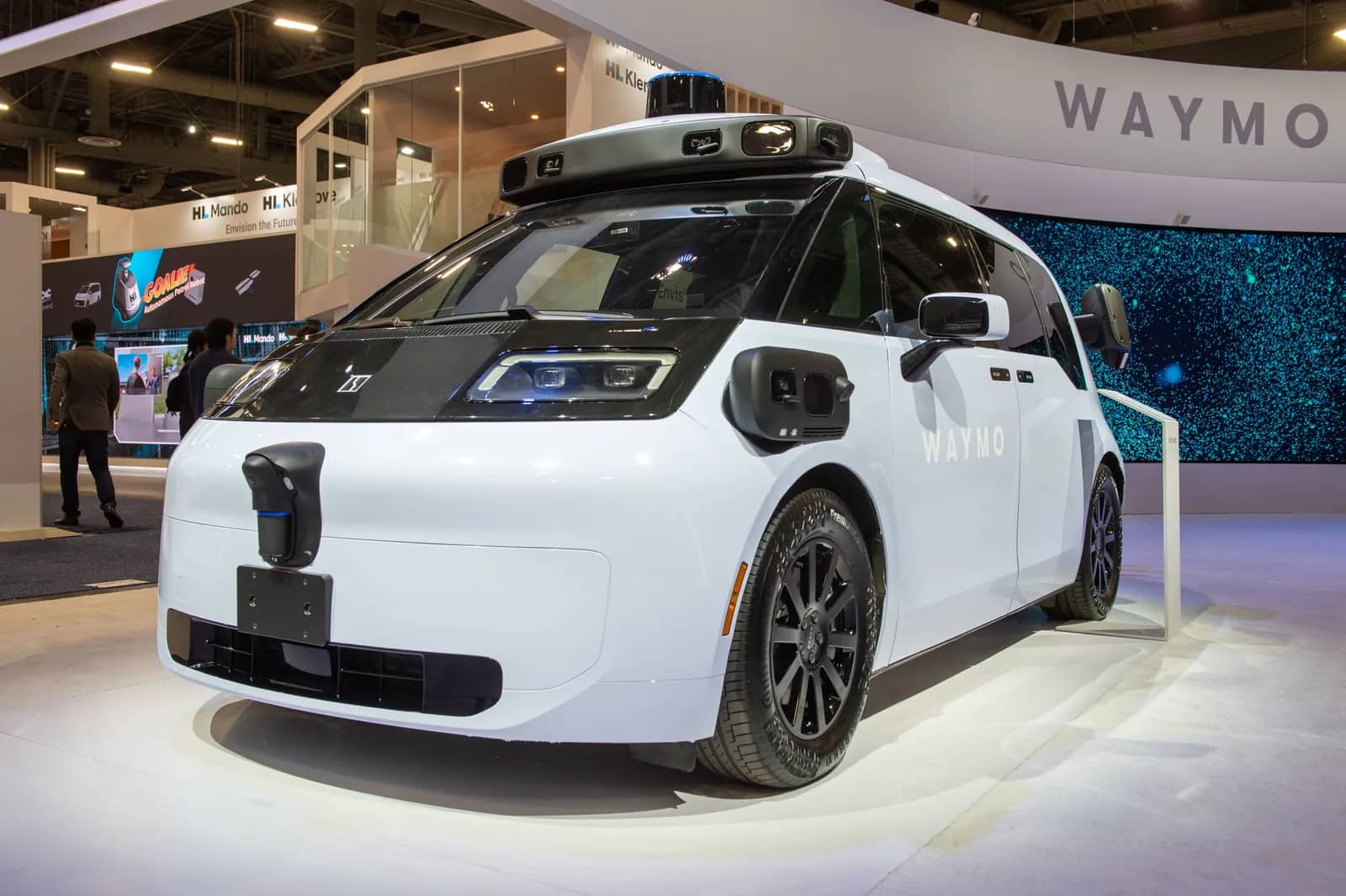
Waymo describes its sixth-generation system as the smartest and most capable autonomous vehicle it has designed.
https://x.com/Waymo/status/2060013225006010467
The announcement comes at the end of a rough couple of weeks for Waymo.
Tap a lens to see what this story means for you.
Liked this? The Brief brings you the whole day in tech, verified, every morning.
Two minutes, free forever. What's in The Brief →
See what’s happening right now
The Feed runs all day — short, verified briefs the moment they break.
Open the FeedFollow @thecircuitry_
Every story we publish, as it happens. No noise between.
Reader-supported
The Circuitry is a passion project I've always wanted to build, and I love the work behind it.
Running it costs real money. APIs, hosting, time. To keep improving the site and growing this into something useful for everyone, those costs have to be covered.
Any contribution is appreciated. If not, no pressure. Thanks for reading.
Waymo will begin offering driverless rides to employees in San Diego, Las Vegas, Tampa and Denver in the coming weeks before opening the service to the public. The expansion strengthens the company's lead in the U.S. robotaxi market while it targets 1 million weekly trips by year-end.
Tesla began public rides in its steering-wheel-free Cybercab in Austin this evening while NHTSA opened an Audit Query into the company’s determination that the vehicle meets existing federal safety standards. The review targets Tesla’s self-certification at a moment when the agency is revising eight rules for driverless cars and other robotaxi developers have secured exemptions.
Tesla has started engineering tests of its production Cybercab on public roads in Austin, Texas, for the first time (first reported around June 30). The step advances the company's plan for a driverless ride-hailing service centered on a vehicle without steering wheel or pedals.
Zoox unveiled an updated version of its purpose-built robotaxi with lighter interior colors, refined seating, improved visibility features, and enhanced audio capabilities based on rider feedback from half a million rides. The changes aim to deliver greater comfort and simplicity while the Amazon-backed company advances its fully driverless ride-hailing service.
Waymo launched its first membership program, Waymo Premier, an invite-only $29.99 monthly tier offering priority pickups, 10% cash back, early city access and free cancellations. The move seeks to build loyalty as the robotaxi service scales toward 1 million weekly rides and enters more than 20 cities.