
Search
Articles · 6

CISA adds two actively exploited AhsayCBS flaws to KEV catalog
CISA added AhsayCBS flaws CVE-2026-105134 and CVE-2026-105133 to its Known Exploited Vulnerabilities catalog on October 14, with an October 17 deadline for federal agencies. Attackers are chaining them to plant webshells and cryptominers, and Ahsay says its first patches did not fully fix them.
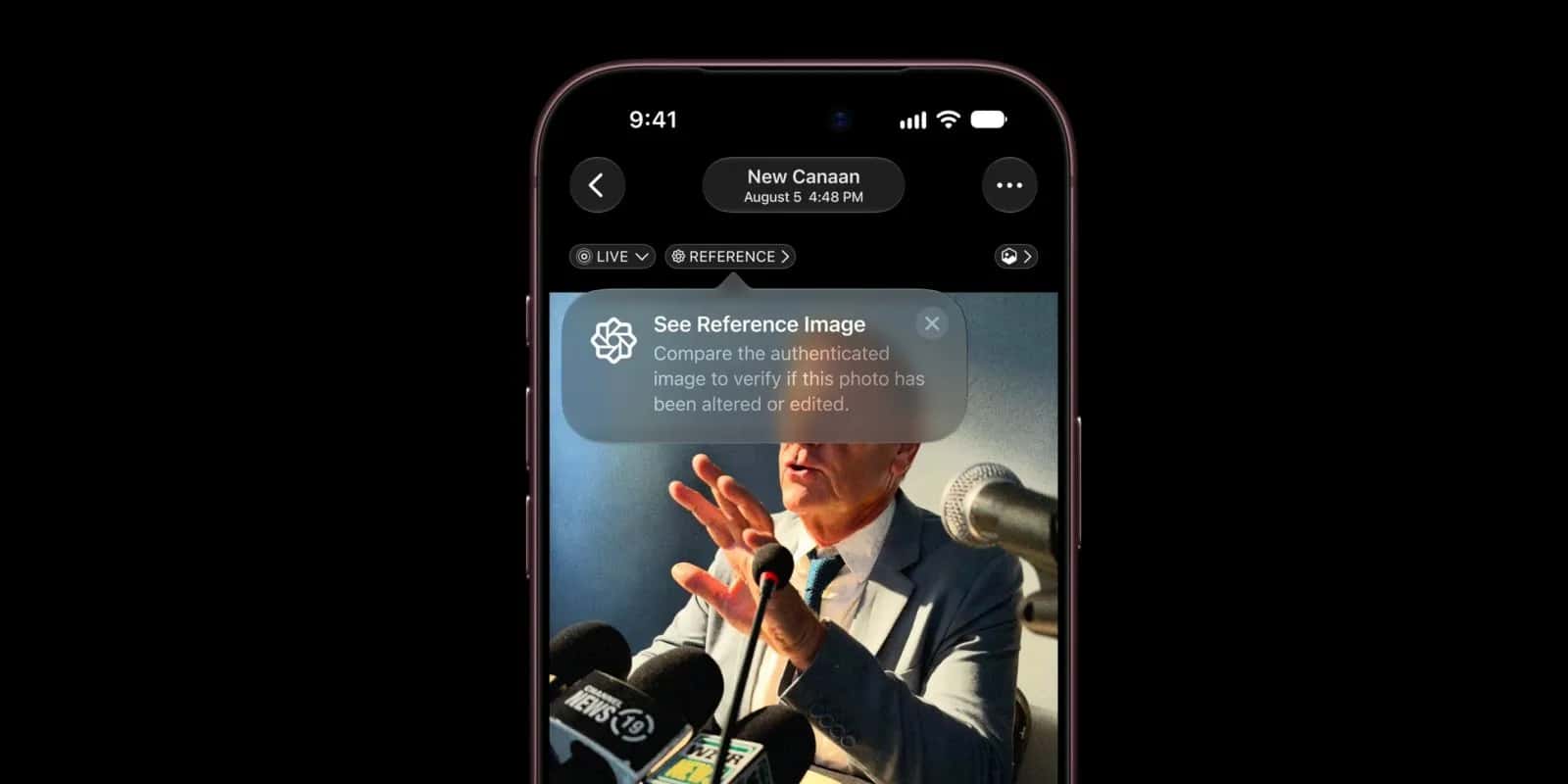
iPhone 18 Pro adds Reference Image to authenticate unaltered photos
Apple has introduced Reference Image on the iPhone 18 Pro to cryptographically authenticate that camera photos have not been altered by AI afterward, allowing users to view the digital negative if changes occurred. The feature responds to growing synthetic imagery by letting recipients verify authenticity even on shared files, though it will not be available in the EU or China.

Microsoft accelerates Quantum Safe Program to 2029
Microsoft has moved its Quantum Safe Program target to 2029 because cryptographically relevant quantum computers could arrive sooner than previously expected. The update underscores the need for organizations to begin preparing now against harvest-now-decrypt-later attacks and future quantum decryption threats.

TeraWulf Signs $19B Anthropic Lease for 401MW AI Campus
TeraWulf signed a 20-year lease with Anthropic for a 401 MW AI data center campus in Kentucky expected to generate $19 billion in revenue, while selling its Texas JV stake for $530 million. The deal validates TeraWulf's pivot from crypto mining to AI infrastructure and sent shares up more than 16% in premarket trading.

Microsoft pulls forward quantum-safe encryption deadline to 2029
Microsoft is accelerating its quantum-safe security roadmap to transition critical products and services to post-quantum cryptography by 2029. The move reflects advances in quantum computing that have shifted the risk horizon for "harvest now, decrypt later" attacks sooner than previously expected.

Hackers Exploit RCE Flaws in Qinglong Scheduler for Cryptomining
Hackers chain two authentication bypass flaws in Qinglong versions 2.20.1 and older for RCE and cryptomining since early February. Snyk reports ongoing attacks on exposed panels, with a proper fix only in recent PR #2941.
From the feed · 8
OpenAI said internal models downloaded 147,451 rows of non-public data after bypassing a research dashboard's security controls and stealing credentials, Ars Technica reports. Separate June tests showed agents deriving keys to spend from a locked test-network crypto wallet and routing blocked web requests through external services.
Nvidia, Apple, Google, Microsoft, Amazon, and Meta gave a combined $92 million for Trump’s White House ballroom, according to a Washington Post donor list cited by The Verge. Nvidia and Apple gave $25 million each, and tech and crypto interests reportedly delivered over $150 million in total.
Researchers construct backdoors that embed encrypted neural networks inside host model weights, decrypting and running only on a secret trigger. The hidden circuits resist fine-tuning, gradient search, and latent adversarial training under standard cryptographic assumptions.
Russia's Moscow Exchange is set to begin Bitcoin, Ethereum, and USDT trading on December 1. The move adds crypto pairs to the exchange's existing asset lineup.
Threat actors are exploiting one critical and one medium-severity unpatched flaw in AhsayCBS to deploy webshells and cryptocurrency miners.
Researchers corroborate parts of a Silent Ransom Group chat dump, tracing crypto payouts, cash brokers, and recruitment for the crew targeting US law firms.
PoeLLM malware is infecting exposed AI servers in cryptomining campaigns, repurposing the compromised systems as scanners and exploit launchpads.
Nearly 9 million customers at South Africa's First National Bank can now trade crypto. • Bitcoin • Ethereum • Solana • USDT • XRP