AMD is re-releasing the 5800X3D CPU and launching the 7700X3D while committing to AM5 platform support through 2029. The moves form a strategy to keep users on older and existing hardware longer amid rising PC component costs.
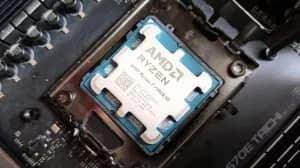
This re-release gives gamers still stuck on older AM4 platforms a means to upgrade without replacing their entire system.
AM4 has endured far longer than AMD anticipated and continues to do so with the re-introduction of the 5800X3D.
Tap a lens to see what this story means for you.
Liked this? The Brief brings you the whole day in tech, verified, every morning.
Two minutes, free forever. What's in The Brief →
See what’s happening right now
The Feed runs all day — short, verified briefs the moment they break.
Open the FeedFollow @thecircuitry_
Every story we publish, as it happens. No noise between.
Reader-supported
The Circuitry is a passion project I've always wanted to build, and I love the work behind it.
Running it costs real money. APIs, hosting, time. To keep improving the site and growing this into something useful for everyone, those costs have to be covered.
Any contribution is appreciated. If not, no pressure. Thanks for reading.
AMD has entered an underwriting agreement to issue $4.75 billion in senior notes maturing between 2029 and 2036 at coupon rates from 4.600% to 5.500%. The debt offering was disclosed in an 8-K filing on August 17, 2026 and uses an existing shelf registration.
AMD will invest up to $5 billion in Anthropic and supply up to 2 gigawatts of Instinct MI450 GPUs via its Helios system, with the first gigawatt arriving in the first half of 2027. The deal also launches a multi-year engineering collaboration that brings Claude into AMD’s development workflows.
AMD has rolled out FSR 4.1 upscaling for Radeon RX 7000 GPUs ahead of its July target. The feature is also targeting RDNA 3 APUs with RDNA 2 cards planned for early 2027, while adding day-one support in two upcoming games.
AMD CEO Lisa Su announced plans to invest more than US$10 billion in Taiwan's semiconductor ecosystem to secure long-term supply of advanced AI chips. The move is part of AMD and Nvidia deepening their investments in the Taiwan semiconductor industry.
Intel launches the Wildcat Lake Core 300 chip for budget Windows laptops, with early benchmarks showing it 21% faster than the MacBook Neo's A18 Pro in multi-core tests. The move addresses the gap left by Apple's value-packed $599 device.