The Circuitry
THE CIRCUITRYYour one-stop source for all tech news
HOMETODAYNEWSFEEDEVENTS
BOOKMARKS
RSS
© 2026 The Circuitry
About UsSourcesContactCorrectionsPrivacy
  • Today
  • Feed
  • Events
  • Saved
Scroll for more
Verification
VERIFIEDConfidence: HIGH
Source identified
Claims cross-referenced
No discrepancies found
Fact-check summary

Reported by Frandroid; no independent corroboration from major outlets for the specific iOS 27 child safety features or quotes yet — story is very recent.

1 caveat
  • ▲AppleInsider notes revamped Screen Time/parental controls in iOS 27; no other details (Ask to Browse, Raja Rajamannar, AAP partnership) confirmed elsewhere.
Sourcing
1source

via Frandroid

Frandroid · track record
44Stories
100%Verified
1830d
All sources →
Markets
AAPL···

Live quote · not investment advice

Home/Tech/Apple unveils iOS 27 child safety features at WWDC 2026
VERIFIEDBy Xavier Rivera· ·2 min read

Apple unveils iOS 27 child safety features at WWDC 2026

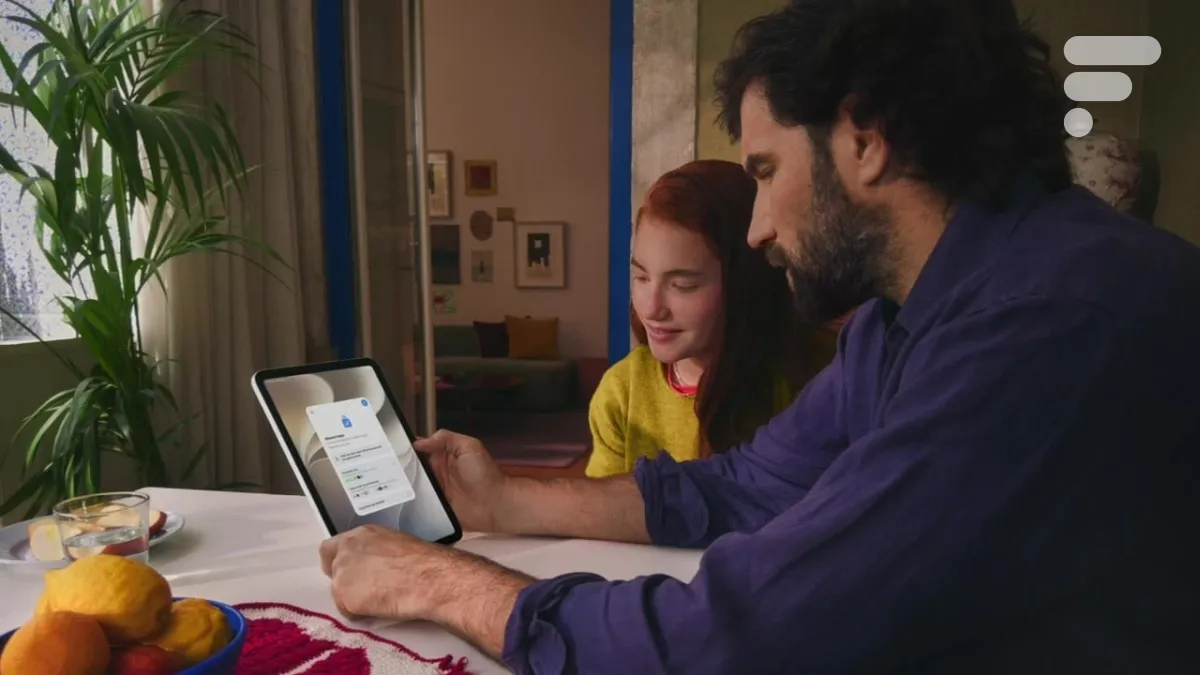
Apple announced iOS 27 at WWDC 2026 with new restriction tools developed alongside health experts to protect children on iPhone. The features focus on child accounts, web browsing permissions and communications limits to promote healthy digital habits.
Source:Frandroid
Post
Apple unveils iOS 27 child safety features at WWDC 2026
TL;DRAI · 60 sec read

Apple announces iOS 27 at WWDC 2026 with new child safety tools built with health experts. Child accounts activate blocks on adult sites and media filters. Ask to Browse requires parental approval for new websites. Parents can restrict contacts. The features help families create age-appropriate limits and support healthy digital habits.

Apple announced iOS 27 at WWDC 2026, an operating system version developed in partnership with health experts to introduce new restriction tools for applications, web browsing and communications aimed at better protecting children.

iOS 27 centers on child and adolescent safety. The update was entirely designed to offer a safe and reliable platform for minors. It addresses the rise of new ways of connecting, artificial intelligence and online games by deploying new tools to support families.

Craig Federighi, SVP of Software Engineering, reaffirmed Apple’s long-standing commitment to safety when it comes to children and adolescents.
Apple relied on the rules that every child is unique and parents remain best placed to decide what is suitable for their family.

Two principles guide the new features. Apple relied on the rules that every child is unique and parents remain best placed to decide what is suitable for their family. The company collaborated with experts in clinical practice, child development and online safety, notably the American Academy of Pediatrics.
The objective is to adapt the Family Media Plan into a guide to establish healthy digital habits and preserve time for sleep, physical activity and IRL interactions.
From The CircuitryThe Feed — live briefs across tech, all day.See what’s happening →
Child accounts activate immediate safety barriers. Raja Rajamannar, VP of Child Safety, said the first essential step is the creation of a child account. If this has not yet been done, the system allows an existing account to be converted.

This profile immediately activates age-appropriate safety barriers including blocking of adult sites, media filtering and automated age restrictions in the App Store. A new easy setup assistant lets parents precisely choose the starting content, such as a few essential applications or a recommended set, and add progressively over time.
The existing Ask to Buy mechanism, which requires the child to request authorization via message to download an application, now extends to the web and is called Ask to Browse.

Ask to Browse extends parental controls to the web. The existing Ask to Buy mechanism, which requires the child to request authorization via message to download an application, now extends to the web and is called Ask to Browse. This function requires minors to ask for permission before visiting a new website.

The service works transparently on iPhone, iPad and Mac via Safari. It is enabled by default for those under 13 and remains optional for teenagers.
Communications controls complete the restrictions. Parents can now restrict the contacts of their children. These tools form the core of iOS 27’s approach to supporting families with age-appropriate barriers and progressive content access.
Why this mattersAI · ~100 words

Tap a lens to see what this story means for you.

Reader-supported
DonateBuy me a coffee →Follow@thecircuitry_ →Follow@thecircuitry.to →

Reader-supported · The Brief

Liked this? The Brief brings you the whole day in tech, verified, every morning. Two minutes, free forever.

HELP US IMPROVE
From The Circuitry

See what’s happening right now

The Feed runs all day — short, verified briefs the moment they break.

Open the Feed →
From The Circuitry

Follow @thecircuitry_

Every story we publish, as it happens. No noise between.

Follow on X ↗On Bluesky ↗

Reader-supported

The Circuitry is a passion project I've always wanted to build, and I love the work behind it.

Running it costs real money. APIs, hosting, time. To keep improving the site and growing this into something useful for everyone, those costs have to be covered.

Any contribution is appreciated. If not, no pressure. Thanks for reading.

Buy me a coffee
AppleiOSChild Safety
More fromFrandroid
  • Samsung Hosts Galaxy Unpacked Event July 22, 2026

    Tech · 1d
  • Microsoft Halts July 2026 Windows 11 Update Rollout on Select Dell Machines

    Tech · 8d
  • UN Adopts First Global Rules for Driverless Cars

    Tech · 8d
More inTech
  • Google Adds Selfie Video for Account Recovery

    Tech · 10h
  • EU slaps Alphabet with €890 million fine over Google Search favoritism and Play Store restrictions

    Tech · 10h
  • CISA Adds Actively Exploited SharePoint Flaw CVE-2026-50522 to KEV

    Tech · 1d
SupportThe Work

The Circuitry is reader-supported. If you find the daily brief useful, you can buy me a coffee to keep it going.

Buy a coffee →
SubscribeCircuitry Brief

Liked this? The Brief brings you the whole day in tech, verified, every morning. Free forever.

MORE IN TECH

Google Adds Selfie Video for Account Recovery

Google has rolled out a selfie video option that lets users recover their Google Accounts by recording head movements for comparison against a stored video. The encrypted feature adds another recovery method while recommending multiple sign-in options and includes safeguards against AI-based impersonation.

EU slaps Alphabet with €890 million fine over Google Search favoritism and Play Store restrictions

The European Commission has fined Alphabet €890 million for two DMA violations: self-preferencing its own services in Google Search and restricting payment steering options in the Play Store. Google must revise its policies within 60 days or face further penalties.

CISA Adds Actively Exploited SharePoint Flaw CVE-2026-50522 to KEV

CISA added the actively exploited Microsoft SharePoint deserialization vulnerability CVE-2026-50522 to its Known Exploited Vulnerabilities catalog on 2026-07-22 with a federal due date of 2026-07-25. Agencies and organizations must apply vendor mitigations per BOD 26-04 or discontinue use if patches are unavailable.