CISA added CVE-2026-76461, a SQL injection flaw in the Cisco email security appliance, to its Known Exploited Vulnerabilities catalog on 2026-09-14. Federal agencies have until 2026-09-17 to apply vendor mitigations under BOD 26-04, with forensic triage required.
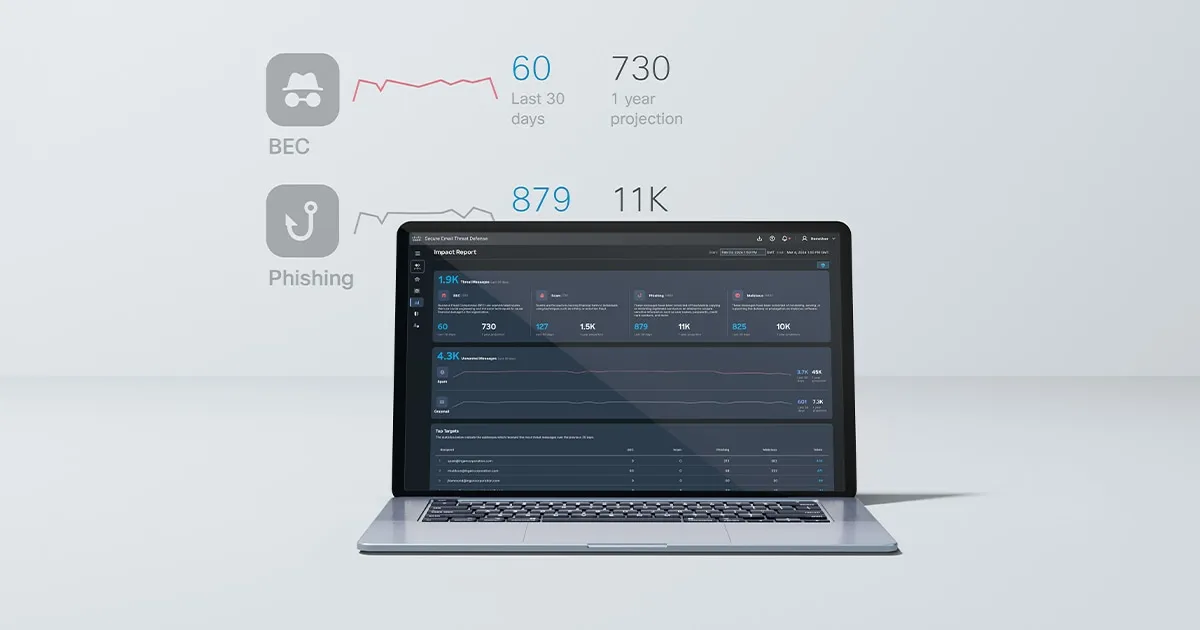
The flaw could let an unauthenticated remote attacker run arbitrary commands with root privileges on the underlying operating system.
It remains unknown whether the vulnerability is known to be used in ransomware campaigns.
Organizations running Cisco SEG should treat this as an immediate priority given confirmed active exploitation and the root-privilege impact.
Tap a lens to see what this story means for you.
Liked this? The Brief brings you the whole day in tech, verified, every morning.
Two minutes, free forever. What's in The Brief →
See what’s happening right now
The Feed runs all day — short, verified briefs the moment they break.
Open the FeedFollow @thecircuitry_
Every story we publish, as it happens. No noise between.
Reader-supported
The Circuitry is a passion project I've always wanted to build, and I love the work behind it.
Running it costs real money. APIs, hosting, time. To keep improving the site and growing this into something useful for everyone, those costs have to be covered.
Any contribution is appreciated. If not, no pressure. Thanks for reading.
CISA added Ivanti Connect Secure flaws CVE-2026-111357 and CVE-2026-118527 to its Known Exploited Vulnerabilities catalog on October 30. Ivanti says attackers chained them with CVE-2026-104935. Fixes are in 25.1.1.3 and 22.8R2.6.
NVD lists CVE-2026-17285 in IBM API Connect and says it has not scored the flaw. IBM's CVSS 3.1 vector on the page scores 7.7.
The Mobile Builder plugin for WordPress contains a privilege-escalation vulnerability in versions up to and including 1.4.2 that lets authenticated attackers grant themselves administrator rights. The flaw is tracked as CVE-2026-104799 and carries a CVSS 3.1 score of 8.8 from the CNA.
The WPO365 Microsoft 365 Graph Mailer WordPress plugin is vulnerable to stored cross-site scripting in versions through 6.2. Unauthenticated attackers can inject scripts via any mail-sending feature that accepts a submitter-controlled subject when OAuth setup is incomplete.
CVE-2026-120189 is a stack-based buffer overflow in the TFTP upload filename handler of D-Link DIR-505 firmware 1.10B02. It can be exploited remotely, a public exploit exists, and VulDB rates it CVSS 3.1 10.0.

