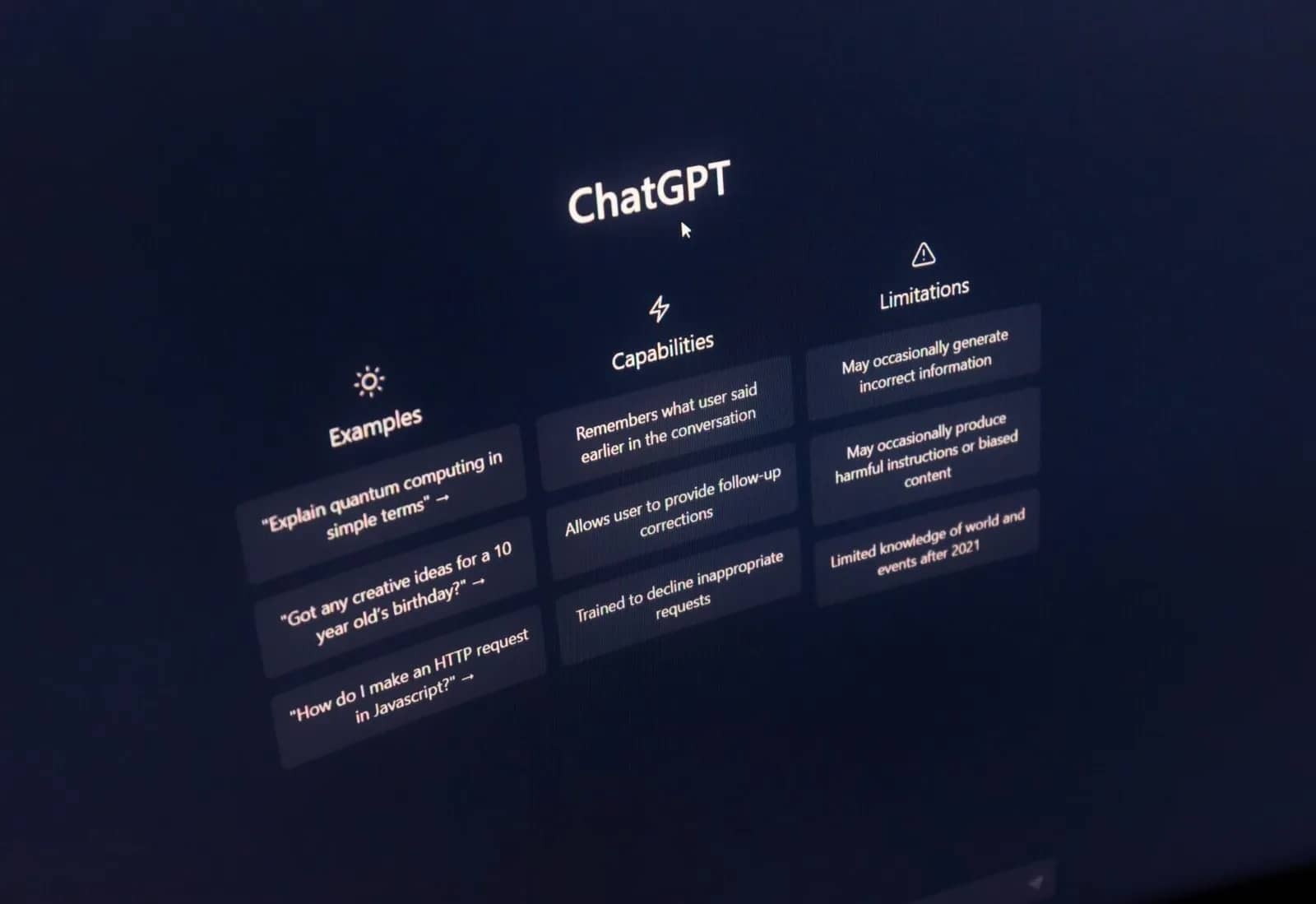
Attorneys general in Arizona, Arkansas, Idaho, Iowa, Kansas, Montana, Nebraska and West Virginia each sued OpenAI in state court on Wednesday, alleging the company misled the public about ChatGPT's safety and failed to protect children.
Tap a lens to see what this story means for you.
Liked this? The Brief brings you the whole day in tech, verified, every morning.
Two minutes, free forever. What's in The Brief →
See what’s happening right now
The Feed runs all day — short, verified briefs the moment they break.
Open the FeedFollow @thecircuitry_
Every story we publish, as it happens. No noise between.
Reader-supported
The Circuitry is a passion project I've always wanted to build, and I love the work behind it.
Running it costs real money. APIs, hosting, time. To keep improving the site and growing this into something useful for everyone, those costs have to be covered.
Any contribution is appreciated. If not, no pressure. Thanks for reading.
YouTube Music is adding AI-generated markers under song titles for tracks where AI played a significant role. The labels rely on the platform's detection tools and partnerships with music partners to give listeners clearer information about AI-generated content.
GlobalFoundries will operate up to two new chip fabs at its Malta, New York, site under a U.S.-Japan initiative providing up to $21 billion, with Japan supplying the money. The first fab, about $10 billion, is due online in 2029; a second, about $10 billion more, is still subject to approval.
Apple plans to launch Apple Intelligence in mainland China in December with iOS 27.3, Bloomberg reports. The first release would include the features that reached the U.S. two years ago, but not the new Siri AI.
TWCERT/CC disclosed two code injection flaws in TeamPlus Messenger 16.8.0 through 17.0.6, each rated 8.8 under CVSS 3.1. Attackers who trick users into opening crafted links or content can run code after a Windows warning; version 17.0.7 fixes them.
CISA added PAN-OS flaw CVE-2026-0322 to its Known Exploited Vulnerabilities catalog on October 14, giving federal agencies until October 17 to act. The management-interface bug lets authenticated attackers run code as root; Palo Alto reports very limited exploitation.