The Circuitry
THE CIRCUITRYYour one-stop source for all tech news
HOMENEWSFEEDEVENTS
—STORIES—VERIFIED
BOOKMARKS
RSSSOURCESABOUTCORRECTIONS
RSS
© 2026 The Circuitry
About UsContactCorrections
  • Home
  • Feed
  • Events
  • Saved
Scroll for more
Verification
VERIFIEDConfidence: HIGH
Source identified
Claims cross-referenced
No discrepancies found
Fact-check summary

Bloomberg, Reuters, The Register, and other outlets corroborate the FTC's ongoing Microsoft cloud/AI probe, including CIDs sent to rivals in Feb 2026.

Sourcing
1source

via The Verge

The Verge · track record
60Stories
100%Verified
3430d
All sources →
Markets
MSFT···

Live quote · not investment advice

Home/Tech
VERIFIEDBy Xavier Rivera· ·2.5 min read

FTC Probe Targets Microsoft Azure Cloud Practices

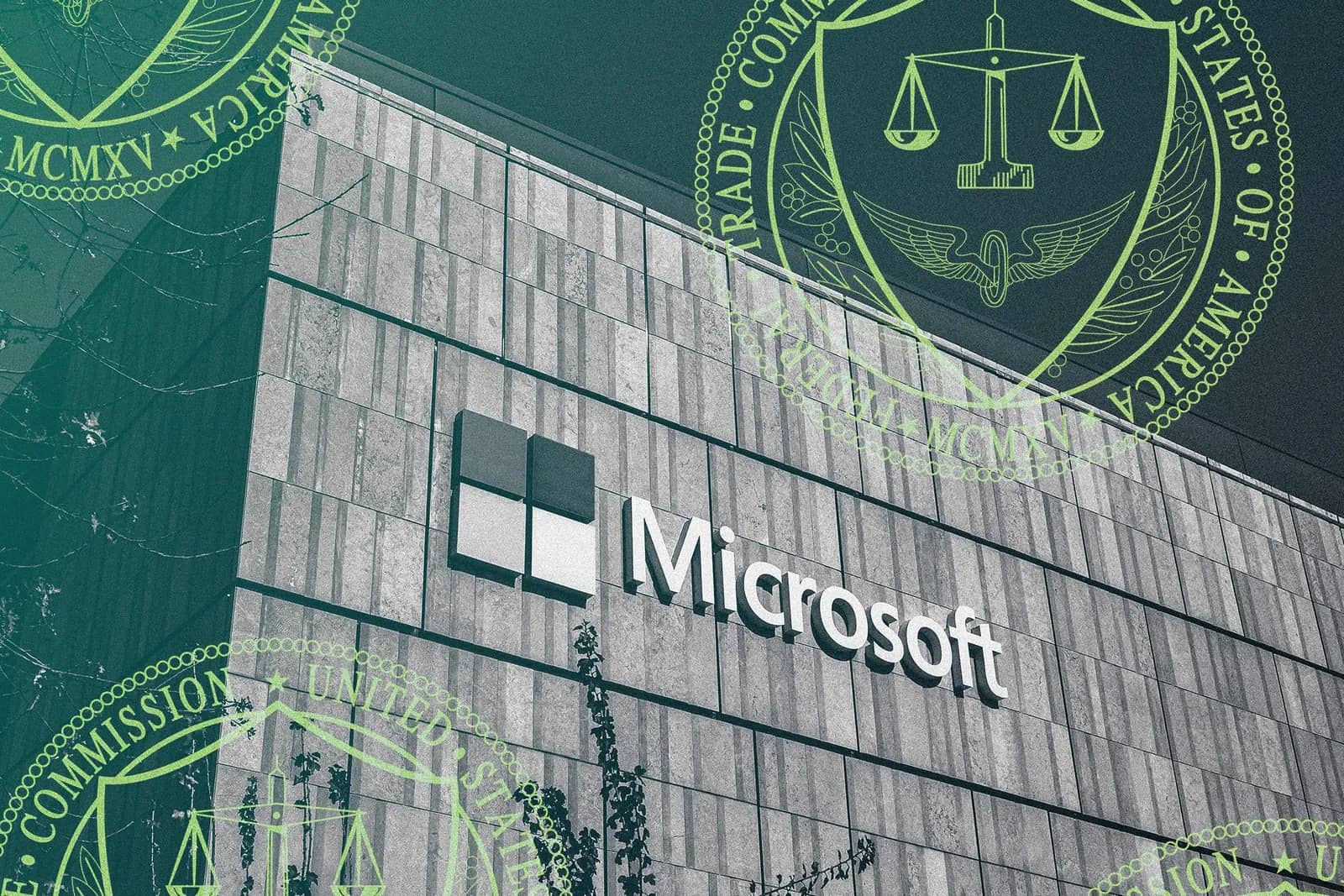
The FTC is investigating Microsoft over potentially exclusionary practices in Azure cloud services and its AI role, sending detailed demands to competitors. This marks the first major antitrust scrutiny of the company in more than 25 years.
Source:The Verge
Post
FTC Probe Targets Microsoft Azure Cloud Practices
TL;DRAI · 60 sec read

The Federal Trade Commission investigates Microsoft for unfair competition in Azure cloud and AI services. It sent civil demands to competitors seeking details on licensing deals and interoperability. The probe, launched in 2024 under Biden and continuing under Trump, examines exclusionary practices that may lock in customers and could result in a lawsuit.

The Federal Trade Commission is investigating Microsoft for potential unfair methods of competition in its cloud, software products, and related services. New details obtained by The Verge show the agency sent civil investigative demands to at least half a dozen of Microsoft's competitors, with a focus on Azure and AI.

The FTC is examining potentially exclusionary behavior in cloud and AI. Over the past several years, Microsoft has largely managed to withstand populist calls to break up Big Tech while peers faced sweeping lawsuits. The probe suggests that grace period could be nearing an end.

The investigation began under the Biden administration in 2024 and continued under President Donald Trump. Bloomberg previously outlined the contents of the CIDs, which are similar to subpoenas.
Over the past several years, Microsoft has largely managed to withstand populist calls to break up Big Tech while peers faced sweeping lawsuits.

Investigators requested details on agreements and interoperability. The Verge obtained previously unreported information about the letters from an industry source who reviewed them. The questions cover industry practices, competitive stumbling blocks, Microsoft's business agreements, licensing arrangements, and interoperability of its products.

The documents generally span more than 15 pages and over 15 questions, often with extensive sub-parts. The CIDs state the goal is to determine if Microsoft has used unfair methods of competition in violation of the FTC Act.

Customer complaints target 2019 licensing changes. Customers have complained, often anonymously for fear of retaliation, that Microsoft's 2019 changes to its licensing terms made it significantly more costly to run Windows software on infrastructure outside of Azure. In 2023, Google accused Microsoft of using dominance in other areas to give its own cloud products an unearned advantage and lock in consumers.

Microsoft says it is cooperating and sees strong competition. Microsoft spokesperson Alex Haurek says that the company is cooperating fully with the FTC and believes its practices promote competition while delivering innovative products customers expect. Microsoft insists there is plenty of competition in the cloud sector and pointed to Google growing 63% year over year and competing head-to-head with other major providers including AWS.
Should they approve a lawsuit, Microsoft may find itself back in a hot seat it occupied more than two decades ago, when a court found it had an illegal PC operating system monopoly.

Microsoft's growth in cloud computing has helped push its valuation to historic highs.

A lawsuit is not guaranteed but remains possible. There is no guarantee the investigation will end in a legal complaint. After further investigative steps, FTC staff will choose whether to recommend filing one, and the agency's two commissioners will take a vote.

Should they approve a lawsuit, Microsoft may find itself back in a hot seat it occupied more than two decades ago, when a court found it had an illegal PC operating system monopoly.
Why this mattersAI · ~100 words

Tap a lens to see what this story means for you.

Reader-supported
CoffeeSupport →Follow@thecircuitry_ →

Reader-supported · Daily Brief

Daily brief at 7 AM ET. Top tech stories, every morning. Sourced and fact-checked.

HELP US IMPROVE

Reader-supported

The Circuitry is a passion project I've always wanted to build, and I love the work behind it.

Running it costs real money. APIs, hosting, time. To keep improving the site and growing this into something useful for everyone, those costs have to be covered.

Any contribution is appreciated. If not, no pressure. Thanks for reading.

Support →
MicrosoftFTCAntitrustAzureCloud
More fromThe Verge
  • Apple Activates App Store Age Verification in Texas

    Tech · 1d
  • Control Resonant Dated for September 24, 2026 Release

    Gaming · 2d
  • Sony Drops Seven Bloody Minutes of Wolverine Gameplay

    Gaming · 2d
More inTech
  • DentaQuest Breach Exposes Data of 2.6 Million Accounts

    Tech · 13h
  • OpenAI Upgrades ChatGPT Memory, Extends to Free Users

    Tech · 15h
  • Pinterest Commits $4B to AWS for AI Infrastructure

    Tech · 19h
SupportThe Work

The Circuitry is reader-supported. If you find the daily brief useful, you can buy me a coffee to keep it going.

Buy a coffee →
SubscribeCircuitry Brief

Daily brief at 7 AM ET. Top tech stories, every morning.

MORE IN TECH

DentaQuest Breach Exposes Data of 2.6 Million Accounts

A data breach at DentaQuest exposed sensitive records for 2.6 million accounts after ShinyHunters publicly leaked more than 234 GB of stolen data. The compromise includes names, government IDs, health insurance details and other personal information, raising risks of phishing and social engineering.

OpenAI Upgrades ChatGPT Memory, Extends to Free Users

OpenAI is making ChatGPT’s memory feature smarter with a new synthesis system and extending it to free users for the first time. The changes address staleness, correctness and scalability for hundreds of millions of users across multi-year time horizons.

Pinterest Commits $4B to AWS for AI Infrastructure

Pinterest announced a planned $4 billion commitment to AWS through 2031, its largest infrastructure deal ever. The investment will scale AI models for visual search and discovery used by more than 600 million monthly users.