Helion Energy received the world’s first regulatory licenses for a fusion power plant from the Washington Department of Health. The milestone clears a key safety hurdle for the Orion facility that aims to supply Microsoft data centers with fusion-generated electricity by 2028.
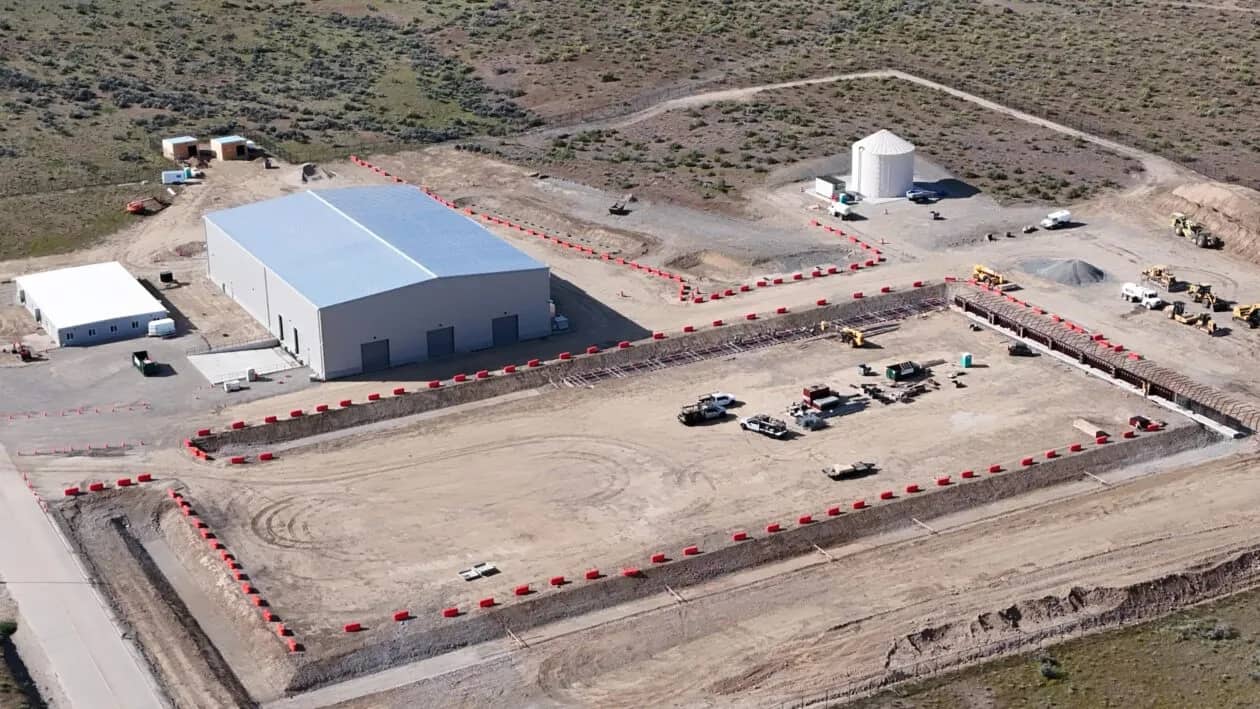
The company is one of more than 40 worldwide now targeting the reactions that power the sun in hopes of generating clean, abundant energy on Earth.
So far, no company or academic effort has produced more energy from a fusion system than it takes to create the reactions, though both have notched important milestones toward that goal.
Tap a lens to see what this story means for you.
Liked this? The Brief brings you the whole day in tech, verified, every morning.
Two minutes, free forever. What's in The Brief →
See what’s happening right now
The Feed runs all day — short, verified briefs the moment they break.
Open the FeedFollow @thecircuitry_
Every story we publish, as it happens. No noise between.
Reader-supported
The Circuitry is a passion project I've always wanted to build, and I love the work behind it.
Running it costs real money. APIs, hosting, time. To keep improving the site and growing this into something useful for everyone, those costs have to be covered.
Any contribution is appreciated. If not, no pressure. Thanks for reading.
General Fusion completed its SPAC merger with Spring Valley Acquisition Corp. III on July 10, 2026, becoming the first publicly traded fusion company. Shares will begin trading on Nasdaq under GFUZ on Monday after an earlier $1 billion deal announcement that followed layoffs and a CEO funding plea, plus a new Italy deployment partnership with Renexia, though significant technical hurdles remain.
Rebirth Group is fighting eviction from its Normandy factory over unpaid rent, a homeowner personally put out a solar panel fire in Moselle, and German lab tests revealed usable-capacity shortfalls in 16 home batteries. The stories illustrate the practical frictions that continue to accompany the energy transition.
The Department of Energy has authorized PJM to require data centers to use backup power during a heat wave straining the grid this week. The move highlights growing electricity demand from AI-driven data centers in a region with the world's largest concentration of such facilities.
A large fire broke out at Monroe Energy's Trainer refinery in Pennsylvania on June 25, prompting a shelter-in-place order for nearby residents. The Delta Air Lines subsidiary reports no community health risks from its air monitoring, while firefighters continue battling the blaze that started in a process unit pump room.
Gavin Newsom has signed seven bills that require AI data centers to cover the cost of upgrades to local power grids and water systems while also disclosing projected water consumption and satisfying specific efficiency standards. The legislation prevents utility expenses from being transferred to residents as data center activity expands.