The Circuitry
THE CIRCUITRYYour one-stop source for all tech news
HOMETODAYNEWSFEEDEVENTS
BOOKMARKS
RSS
© 2026 The Circuitry
About UsSourcesContactCorrectionsPrivacy
  • Today
  • Feed
  • Events
  • Saved
Scroll for more
Verification
VERIFIEDConfidence: HIGH
Source identified
Claims cross-referenced
No discrepancies found
Fact-check summary

Bloomberg, WSJ, and Yahoo Finance corroborate IBM's July 14 pre-earnings warning and ~25% stock drop tied to AI hardware spending shifts.

Sourcing
1source

via DigiTimes Asia

DigiTimes Asia · track record
39Stories
100%Verified
2530d
All sources →
Home/Tech/IBM Issues Rare Mid-Quarter Warning on AI Memory Shortage
VERIFIEDBy Xavier Rivera· ·1 min read

IBM Issues Rare Mid-Quarter Warning on AI Memory Shortage

IBM issued a rare mid-quarter warning that triggered its sharpest single-day stock decline in 115 years on Tuesday, with CEO Arvind Krishna citing an AI-driven global memory shortage shifting enterprise budgets from software to hardware. The change could unsettle vendors beyond IBM as corporate spending prioritizes supply-constrained components.
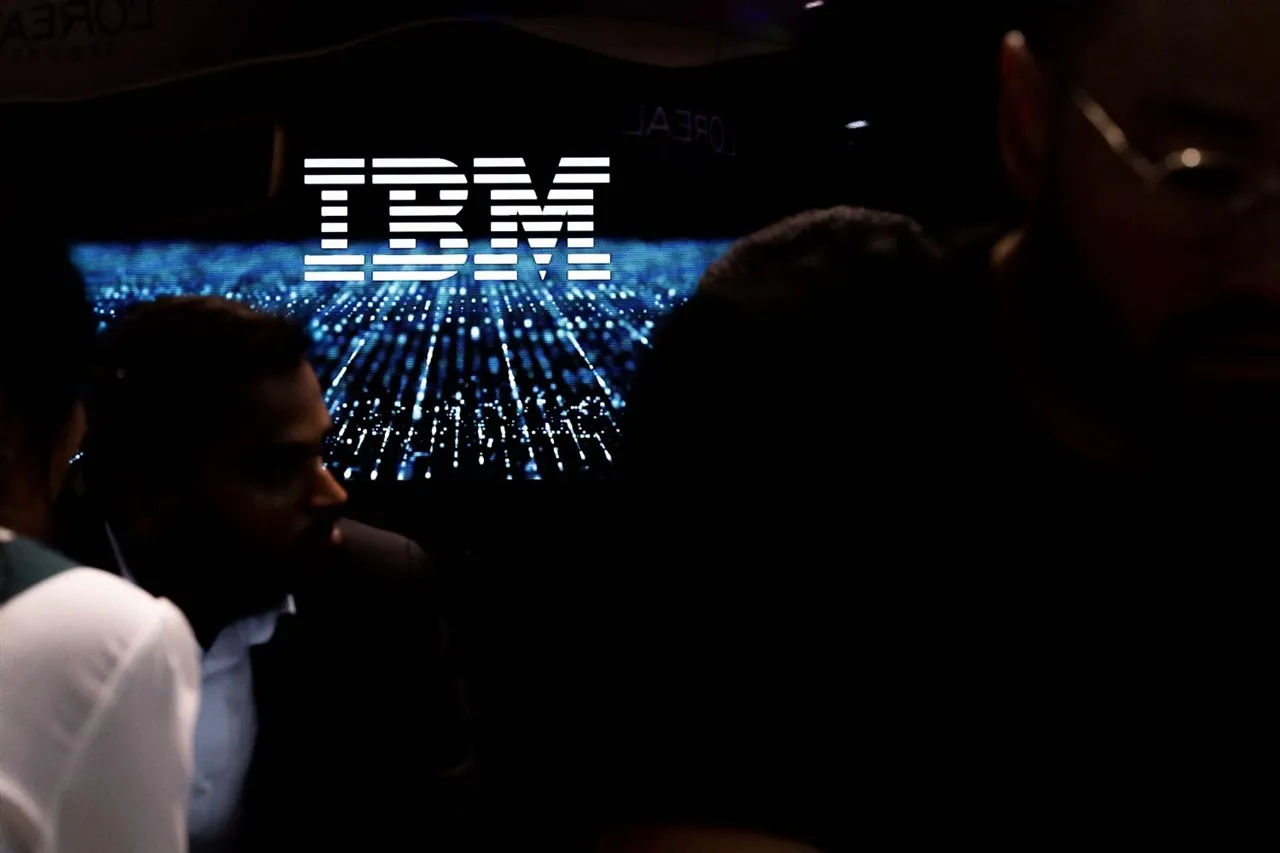
Source:DigiTimes Asia
Post
IBM Issues Rare Mid-Quarter Warning on AI Memory Shortage
TL;DRAI · 60 sec read

IBM issues a rare mid-quarter warning citing an AI-driven global memory shortage. This pulls corporate budgets toward hardware and away from software and mainframes. The news causes IBM's sharpest single-day stock decline in its 115-year history. The shift signals broader impacts on enterprise technology vendors reliant on those revenue streams.

IBM has issued a rare mid-quarter warning that triggered the sharpest single-day decline in the company's 115-year history on Tuesday.

IBM's mid-quarter warning caused historic stock drop. The warning came as chief executive Arvind Krishna pointed to an AI-driven global memory shortage pulling corporate technology budgets away from software and mainframes. This shift directs spending toward supply-constrained hardware instead.
The decline marked the company's steepest one-day fall since its founding.

The decline marked the company's steepest one-day fall since its founding.

AI memory shortage redirects enterprise budgets. Krishna's explanation highlights how the shortage is forcing enterprises to prioritize hardware over software investments. This dynamic affects vendors beyond IBM as corporate spending patterns change.
From The CircuitryThe Feed — live briefs across tech, all day.See what’s happening →

The memory constraints stem from surging AI demand worldwide.
The spending redirection could unsettle multiple enterprise vendors reliant on software and mainframe revenue.

Broader impact on enterprise technology vendors. The spending redirection could unsettle multiple enterprise vendors reliant on software and mainframe revenue. IBM's warning signals a market shift tied directly to hardware supply limits in the AI era.
Krishna attributed the warning explicitly to these budget movements.
Why this mattersAI · ~100 words

Tap a lens to see what this story means for you.

Reader-supported
DonateBuy me a coffee →Follow@thecircuitry_ →Follow@thecircuitry.to →

Reader-supported · Daily Brief

Daily brief at 7 AM ET. Top tech stories, every morning. Sourced and fact-checked.

HELP US IMPROVE
From The Circuitry

See what’s happening right now

The Feed runs all day — short, verified briefs the moment they break.

Open the Feed →
From The Circuitry

Follow @thecircuitry_

Every story we publish, as it happens. No noise between.

Follow on X ↗On Bluesky ↗

Reader-supported

The Circuitry is a passion project I've always wanted to build, and I love the work behind it.

Running it costs real money. APIs, hosting, time. To keep improving the site and growing this into something useful for everyone, those costs have to be covered.

Any contribution is appreciated. If not, no pressure. Thanks for reading.

Buy me a coffee
IBMAIEnterprise
More fromDigiTimes Asia
  • KYEC approves $1.4B US chip testing plant

    Tech · 2d
  • MediaTek June revenue beats forecast, lifts Q2 outlook

    Tech · 2d
  • China imposes temporary helium export ban

    Tech · 4d
More inTech
  • Microsoft to cut 605 jobs in Redmond

    Tech · 3h
  • Critical RCE Flaw in Windows GDI+ Carries 9.6 CVSS Score

    Tech · 3h
  • Microsoft Secure Boot bypassed for 13 years via unrevoked shims

    Tech · 3h
SupportThe Work

The Circuitry is reader-supported. If you find the daily brief useful, you can buy me a coffee to keep it going.

Buy a coffee →
SubscribeCircuitry Brief

Daily brief at 7 AM ET. Top tech stories, every morning.

MORE IN TECH

Microsoft to cut 605 jobs in Redmond

Microsoft has filed notice to permanently lay off 605 workers at its Redmond headquarters effective September 4, 2026. Axios notes 493 Redmond + other WA sites for the 605 total. The cuts are part of a sweeping Xbox gaming division restructure inside a global plan targeting approximately 3,200 roles in FY2027.

Critical RCE Flaw in Windows GDI+ Carries 9.6 CVSS Score

Microsoft disclosed CVE-2026-50380, a critical heap-based buffer overflow in Windows GDI+ that enables remote code execution over a network with a 9.6 CVSS score. The flaw affects numerous Windows 10 and 11 releases and is being patched as part of the July 2026 Patch Tuesday.

Microsoft Secure Boot bypassed for 13 years via unrevoked shims

ESET researchers found that 11 defective Microsoft-signed shims allowed trivial bypasses of UEFI Secure Boot for 13 years until revocation in the June 2026 Patch Tuesday update. The flaw affects Windows and Linux devices alike and enables persistent bootkit installation with minimal attacker effort.