The Circuitry
THE CIRCUITRYYour one-stop source for all tech news
HOMETODAYNEWSFEEDEVENTS
BOOKMARKS
RSS
© 2026 The Circuitry
About UsSourcesContactCorrectionsPrivacy
  • Today
  • Feed
  • Events
  • Saved
  • AAPL
  • MSFT
  • GOOGL
  • META
  • NVDA
  • TSLA
  • AMZN
  • INTC
  • SONY
  • TTWO
  • COIN
  • BTC
  • ETH
  • SOL
  • AAPL
  • MSFT
  • GOOGL
  • META
  • NVDA
  • TSLA
  • AMZN
  • INTC
  • SONY
  • TTWO
  • COIN
  • BTC
  • ETH
  • SOL

Feed

Ad
From The CircuitryVerified tech news, cross-checked.How we verify →
  • OpenAI cuts funding target to $20 billion at $1.25 trillion valuation, FT reportsTech
  • Marvell reportedly in advanced talks to buy LumentumTech
  • Report: Moonshot seeks Nvidia Blackwell access via Europe neocloudsTech
  • Meta Raises $15 Billion in Five-Part Bond Sale to Fund AI BuildoutTech
  • NYT sues Brave over paywall bypass and AI content dealsTech
  • NASA names eight firms for Moon cargo under a $10 billion ceilingTech
  • Qualcomm says SpaceX selected it for Starlink Mobile 5GTech
  • Blizzard says WoW: Forever had its biggest launch by peak playersGaming
  • FAA says first digital towers are operating in Florida and AlaskaTech
  • Alphabet's 13F lists 555,043,560 Space Exploration Techn sharesTech
  • Musk says Tesla will add a shift to try to finish Cybertruck ordersTech
  • Meta strategy chief Dave Wehner leaves to become Fireworks CFOTech
  • Sony delays Pulse Elevate speakers and names no new dateTech
Scroll for more
Verification
VERIFIEDConfidence: HIGH
Source identified
Claims cross-referenced
No discrepancies found
Fact-check summary

Multiple outlets (PCMag, Tom's Hardware, PC Gamer, Shacknews) corroborate Sam Altman's Cheeky Pint podcast comments on DRAM allocation.

Sourcing
6independent sources

via The Verge

The Verge · track record
129Stories
100%Verified
1230d
All sources →
Ad
From The CircuitryWhy The Circuitry

Verified tech news, cross-checked.

Every story is checked against independent sources before it posts — no rumors dressed up as fact.

How we verify →
From The CircuitryWhy The Circuitry

Verified tech news, cross-checked.

Every story is checked against independent sources before it posts — no rumors dressed up as fact.

How we verify →
Home/Tech/Sam Altman calls RAM in personal PCs a waste amid shortage
VERIFIEDBy Xavier Rivera·Friday, October 30, 2026 at 6:33 PM AST·1 min read

Sam Altman calls RAM in personal PCs a waste amid shortage

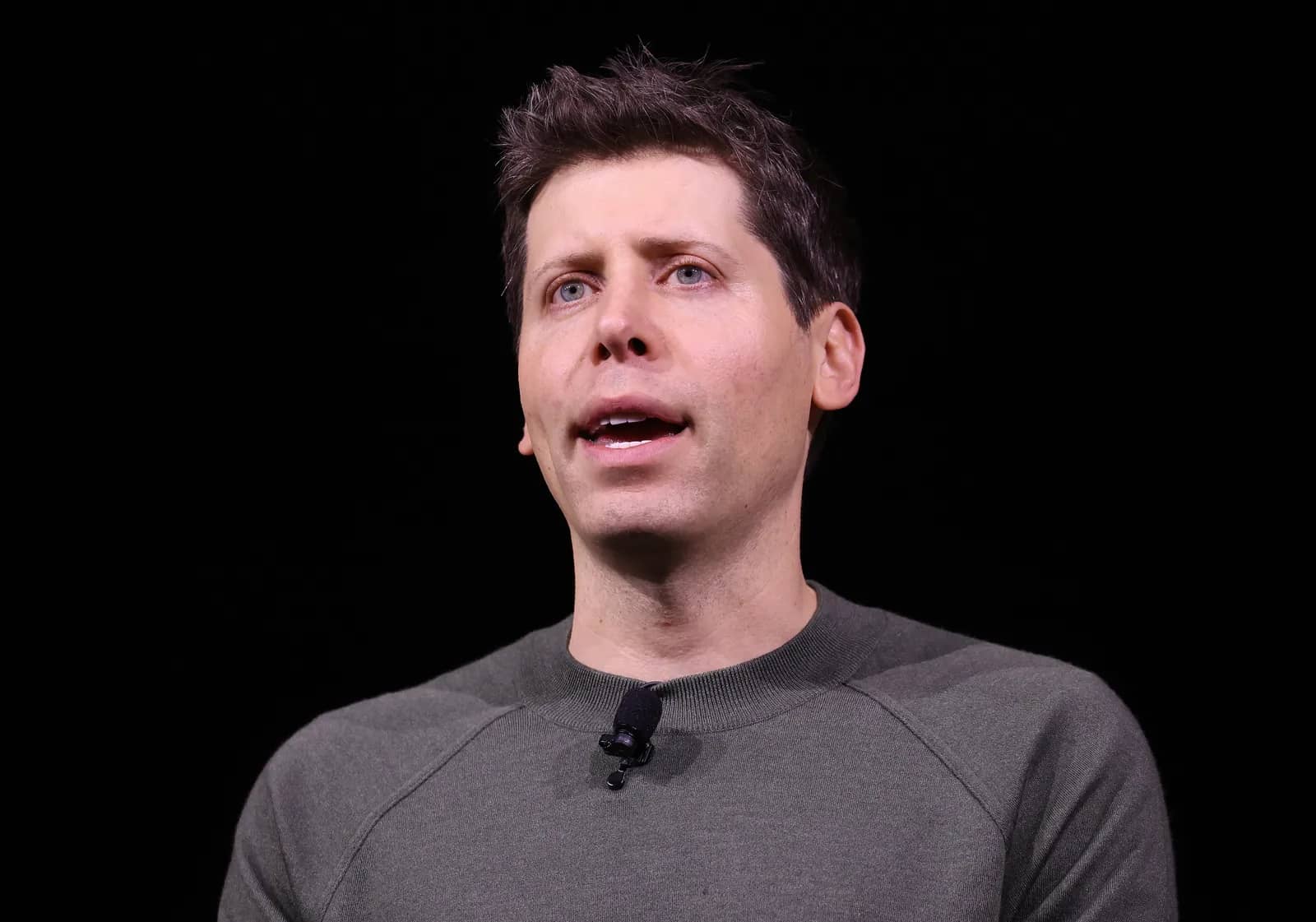
OpenAI CEO Sam Altman said RAM belongs in data centers rather than personal PCs because individual machines use it only five percent of the time. The comments come as OpenAI’s purchases tighten global supplies and raise prices for consumer devices.
Source:The Verge
Post
Sam Altman calls RAM in personal PCs a waste amid shortage
Ad
From The CircuitryVerified tech news, cross-checked.How we verify →
Ad
From The CircuitryWhy The Circuitry

Verified tech news, cross-checked.

Every story is checked against independent sources before it posts — no rumors dressed up as fact.

How we verify →
OpenAI CEO Sam Altman has said it is “terrible” to keep the world’s limited DRAM supply in personal PCs that use it only a fraction of the time.
He argued that DRAM sitting in individual PCs and used only five percent of the time represents poor global allocation.
Altman made the comments on the Cheeky Pint podcast. He addressed supply chain shortages while discussing local AI inference. Altman noted that many people expect open-source models to let them run AI on their own machines and reduce the need for large data centers.
Altman said maximum utilization matters most in a constrained supply environment. He argued that DRAM sitting in individual PCs and used only five percent of the time represents poor global allocation. Cloud servers, by contrast, can keep the same memory working at much higher rates, he said.
From The CircuitryThe Feed — live briefs across tech, all day.See what’s happening →
OpenAI’s purchases are contributing to tighter RAM supplies. The company has secured long-term deals with Samsung and SK Hynix for data-center projects, including the Stargate initiative. Those commitments have reserved large portions of future memory output.
Ad
From The CircuitryWhy The Circuitry

Verified tech news, cross-checked.

Every story is checked against independent sources before it posts — no rumors dressed up as fact.

How we verify →
Consumer devices are already feeling the effects. Laptops, phones, and other personal electronics have grown more expensive as memory makers prioritize cloud customers. Altman’s remarks frame the shortage as a reason to favor centralized infrastructure over local hardware.
Why this mattersAI · ~100 words

Tap a lens to see what this story means for you.

Morning Brief

Liked this? The Brief brings you the whole day in tech, verified, every morning.

Two minutes, free forever. What's in The Brief →

Reader-supported
DonateBuy me a coffee →Follow@thecircuitry_ →Follow@thecircuitry.to →
HELP US IMPROVE
From The Circuitry

See what’s happening right now

The Feed runs all day — short, verified briefs the moment they break.

Open the Feed →
From The Circuitry

Follow @thecircuitry_

Every story we publish, as it happens. No noise between.

Follow on X ↗On Bluesky ↗

Reader-supported

The Circuitry is a passion project I've always wanted to build, and I love the work behind it.

Running it costs real money. APIs, hosting, time. To keep improving the site and growing this into something useful for everyone, those costs have to be covered.

Any contribution is appreciated. If not, no pressure. Thanks for reading.

Buy me a coffee
AIhardwareOpenAI
More fromThe Verge
  • Nintendo sets November 5 release for Ocarina of Time Switch 2 remake

    Gaming · 4d
  • The Verge: Xbox Nano controller gains unannounced cloud Wi-Fi link

    Gaming · 5d
  • Rivian R2 becomes company’s top-selling vehicle in Q3

    Tech · 10d
More inTech
  • NASA names eight firms for Moon cargo under a $10 billion ceiling

    Tech · 1d
  • Qualcomm says SpaceX selected it for Starlink Mobile 5G

    Tech · 1d
  • Blizzard says WoW: Forever had its biggest launch by peak players

    Tech · 1d
SupportThe Work

The Circuitry is reader-supported. If you find the daily brief useful, you can buy me a coffee to keep it going.

Buy a coffee →
Ad
From The CircuitryWhy The Circuitry

Verified tech news, cross-checked.

Every story is checked against independent sources before it posts — no rumors dressed up as fact.

How we verify →
From The CircuitryWhy The Circuitry

Verified tech news, cross-checked.

Every story is checked against independent sources before it posts — no rumors dressed up as fact.

How we verify →

MORE IN THIS BEAT

All Tech →
  • Tech·Nov 3

    OpenAI cuts funding target to $20 billion at $1.25 trillion valuation, FT reports

    OpenAI has cut its funding target by $10 billion and now seeks about $20 billion at a $1.25 trillion valuation, the Financial Times reported. The round has not closed.

  • Tech·Oct 29

    Marvell reportedly in advanced talks to buy Lumentum

    Marvell is in advanced talks to acquire optics maker Lumentum, Bloomberg News reported Oct 28, citing people familiar, and a source told Reuters the same. A deal could be announced as soon as next week, though talks are private and no agreement has been reached. Lumentum rose about 9% after hours and Marvell fell more than 8%, per Reuters.

  • Tech·Nov 6

    Report: Moonshot seeks Nvidia Blackwell access via Europe neoclouds

    Sources told CNBC that Chinese AI lab Moonshot has discussed leasing Nvidia Blackwell capacity from European neoclouds, including talks around clusters of 8,000 or more GPUs. No signed lease has been confirmed.

  • Tech·Nov 4

    Meta Raises $15 Billion in Five-Part Bond Sale to Fund AI Buildout

    Meta priced $15 billion of senior notes in five tranches on November 3, according to its pricing term sheet, with coupons from 5.85% on 2031 notes to 7.50% on 2056 notes. Bloomberg reported orders peaked at about $58 billion and said the deal is part of a cross-border financing of at least $20 billion that includes a euro debut.

  • Tech·Nov 3

    NYT sues Brave over paywall bypass and AI content deals

    The New York Times sued Brave Software, alleging the browser bypasses paywalls and sells news content to AI companies without permission. The suit seeks an injunction and restitution of profits the publisher claims exceed $100 million.