Tesla announced that its Full Self-Driving supervised system is now available in China after years of regulatory delays, confirming the news in an X post that listed the country among 10 markets. The launch arrives as Chinese EV makers have already rolled out their own self-driving technologies and Tesla ranked fourth in local sales during April.
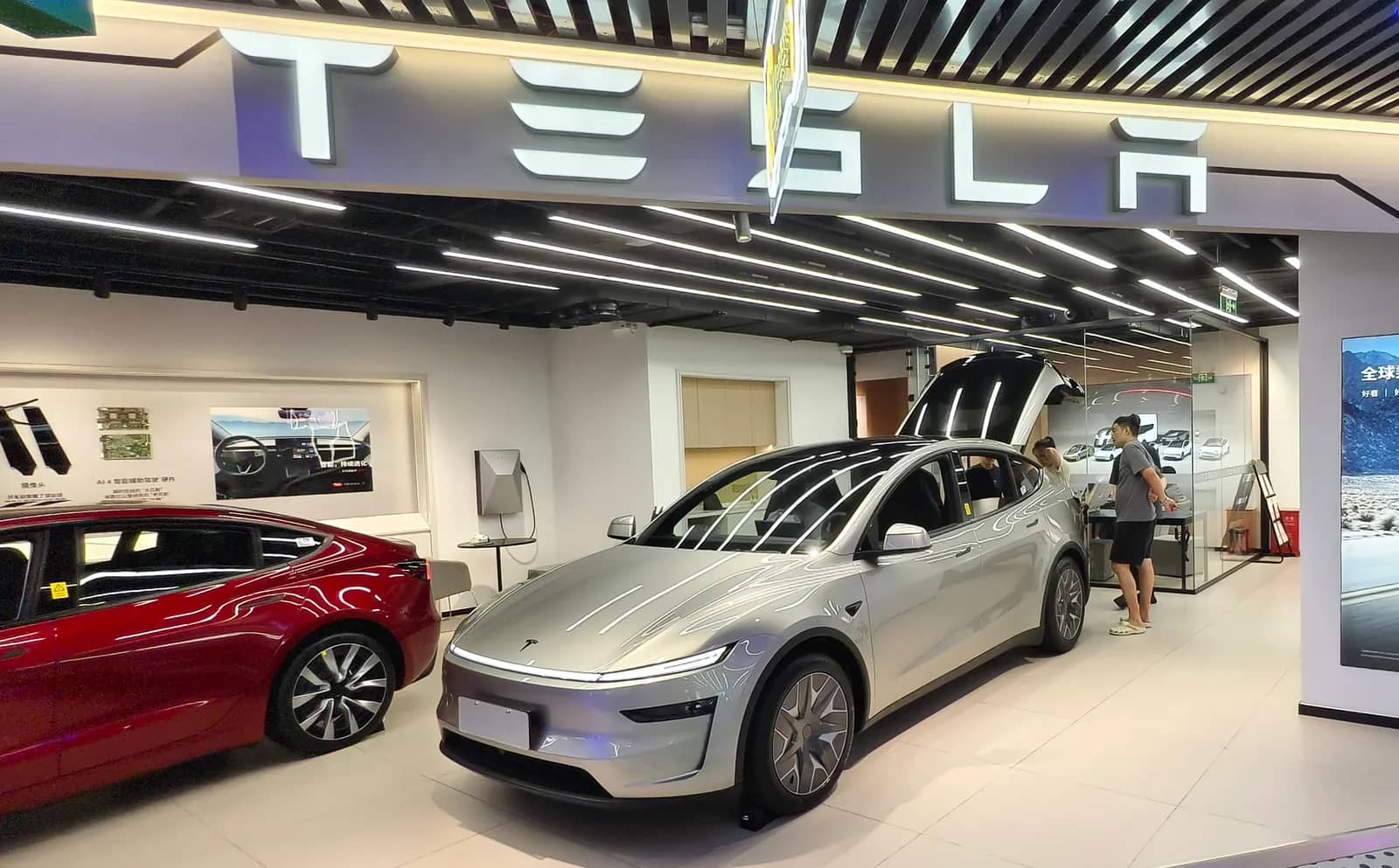
Chinese EV rivals had already expanded proprietary self-driving technologies while Tesla waited.
The announcement arrives one week after Musk joined a U.S. delegation of business executives with President Donald Trump for a summit with Chinese leader Xi Jinping in Beijing.
Tap a lens to see what this story means for you.
Liked this? The Brief brings you the whole day in tech, verified, every morning.
Two minutes, free forever. What's in The Brief →
See what’s happening right now
The Feed runs all day — short, verified briefs the moment they break.
Open the FeedFollow @thecircuitry_
Every story we publish, as it happens. No noise between.
Reader-supported
The Circuitry is a passion project I've always wanted to build, and I love the work behind it.
Running it costs real money. APIs, hosting, time. To keep improving the site and growing this into something useful for everyone, those costs have to be covered.
Any contribution is appreciated. If not, no pressure. Thanks for reading.
According to reporting, Biren Technology is preparing its next-generation BR20X GPU for mass production. The move advances a domestic AI accelerator roadmap built on broader low-precision support and locally available manufacturing.
Tesla marked the start of high-volume Semi production at its new Sparks, Nevada factory on September 24. The plant, which Tesla says covers 1.8 million square feet, is built to scale to 50,000 trucks annually.
Tesla reportedly conducted intensive supplier audits across China's Yangtze River Delta last week as it prepares Optimus production. The visits to potential suppliers Tuopu Group, Sanhua Holding Group, and Joyson Electronics in Ningbo, Hangzhou, and Shanghai leverage existing automotive partners rather than confirming a mass-production acceleration.
Tesla postponed its next-gen Roadster reveal from October 1 to October 15, citing severe weather for an outdoor-only event. The company said additional details will follow and did not announce a new start time.
Tesla has started sending invitations for its Semi Rollout event on September 24 at the new factory in Sparks, Nevada. The gathering will showcase the facility, which Tesla says covers 1.8 million square feet, built to produce up to 50,000 trucks per year along with refreshed vehicle features and fleet economics.