Apple announced that both iPhone 18 Pro models will feature a variable aperture camera. Earlier speculation had indicated the technology might be reserved for the iPhone 18 Pro Max alone. The company created an assembly of six laser-cut blades, each thinner than a human hair, that automatically adapts to scenes and admits approximately 50% more light in darker conditions while enabling post-capture cinematic effects and 60 fps half-speed video.
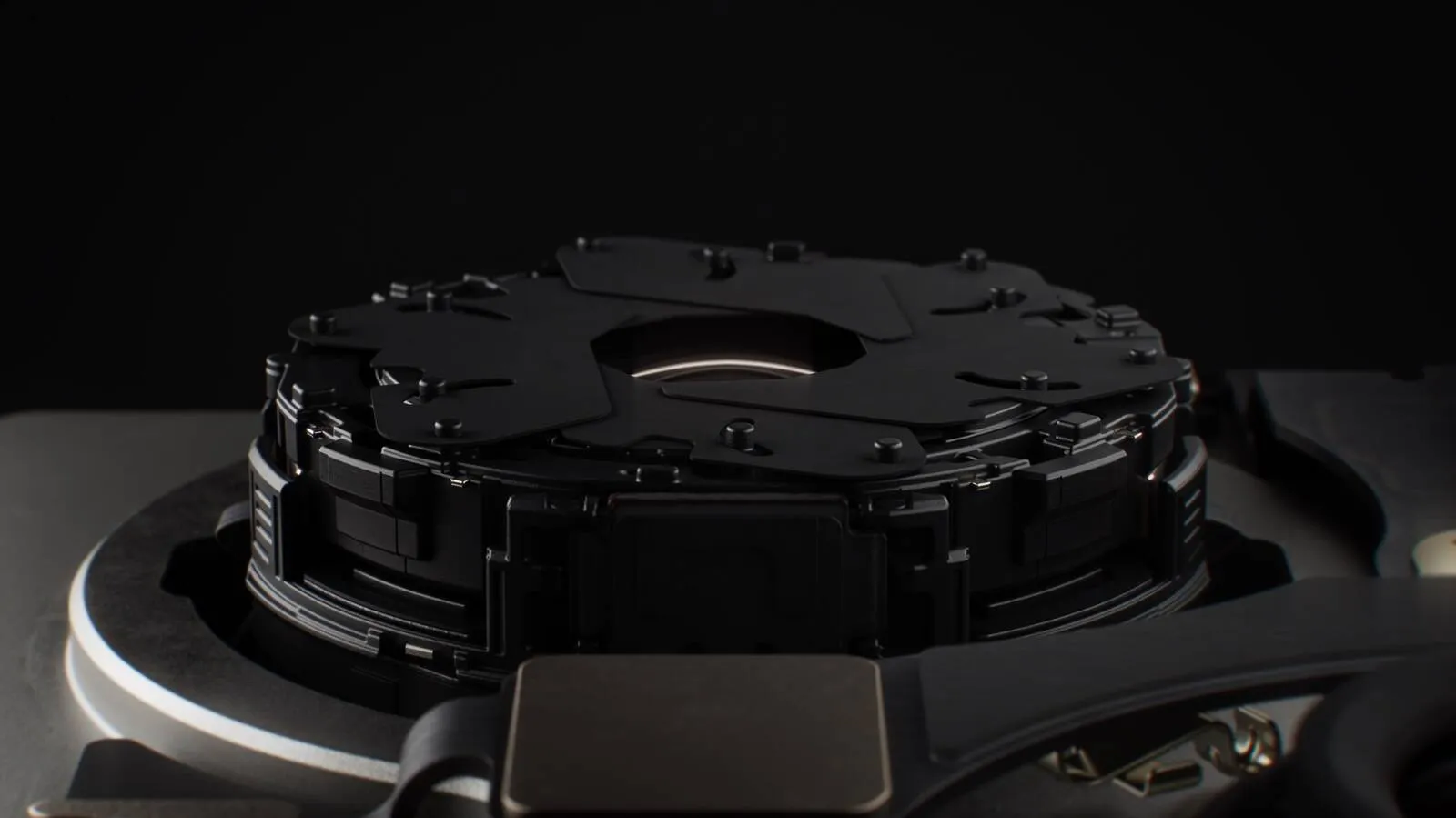
The company created an assembly of six laser-cut blades, each thinner than a human hair and fashioned from a specialized polymer composite chosen to deliver the necessary combination of mass, flexibility and durability.
The aperture automatically adapts to the captured scene and, in darker conditions, opens to admit approximately 50% more light.
Tap a lens to see what this story means for you.
Liked this? The Brief brings you the whole day in tech, verified, every morning.
Two minutes, free forever. What's in The Brief →
See what’s happening right now
The Feed runs all day — short, verified briefs the moment they break.
Open the FeedFollow @thecircuitry_
Every story we publish, as it happens. No noise between.
Reader-supported
The Circuitry is a passion project I've always wanted to build, and I love the work behind it.
Running it costs real money. APIs, hosting, time. To keep improving the site and growing this into something useful for everyone, those costs have to be covered.
Any contribution is appreciated. If not, no pressure. Thanks for reading.
Apple's online store now limits customers in the U.S. and other markets to two iPhone Duo units, with the cap enforced at checkout. Apple has not commented publicly on the limit.
9to5Mac: Bloomberg reporter Mark Gurman stated that Apple will deploy large quantities of iPhone Duo demo units at major stores, including over 150 at the Fifth Avenue location in New York, to support hands-on access ahead of the October 23 launch.
DigiTimes: Apple's iPhone 18 Pro lineup shows mixed demand signals weeks after launch. Reports of component order cuts contrast with stronger demand for the Pro Max and foldable iPhone Duo amid rising memory costs.
Retail stores worldwide began selling Apple’s iPhone 18 Pro and Pro Max alongside the Apple Watch Series 12, Ultra 4 and AirPods 5 on September 18, 2026, with CEO John Ternus leading launch events at flagship locations.
iOS 27.1 will be released by October 23 to coincide with the iPhone Duo launch and bring Siri AI support for five new languages. The update is also expected to deliver two features that Apple delayed from the initial iOS 27 release.