Waymo and B2U Storage Solutions announced a strategic supply agreement on June 4 to repurpose used robotaxi batteries for grid-scale storage. The pact could deliver hundreds of megawatt-hours to projects in California and Texas, creating a circular benefit by supporting the same regional power networks where the autonomous vehicles operate and recharge.
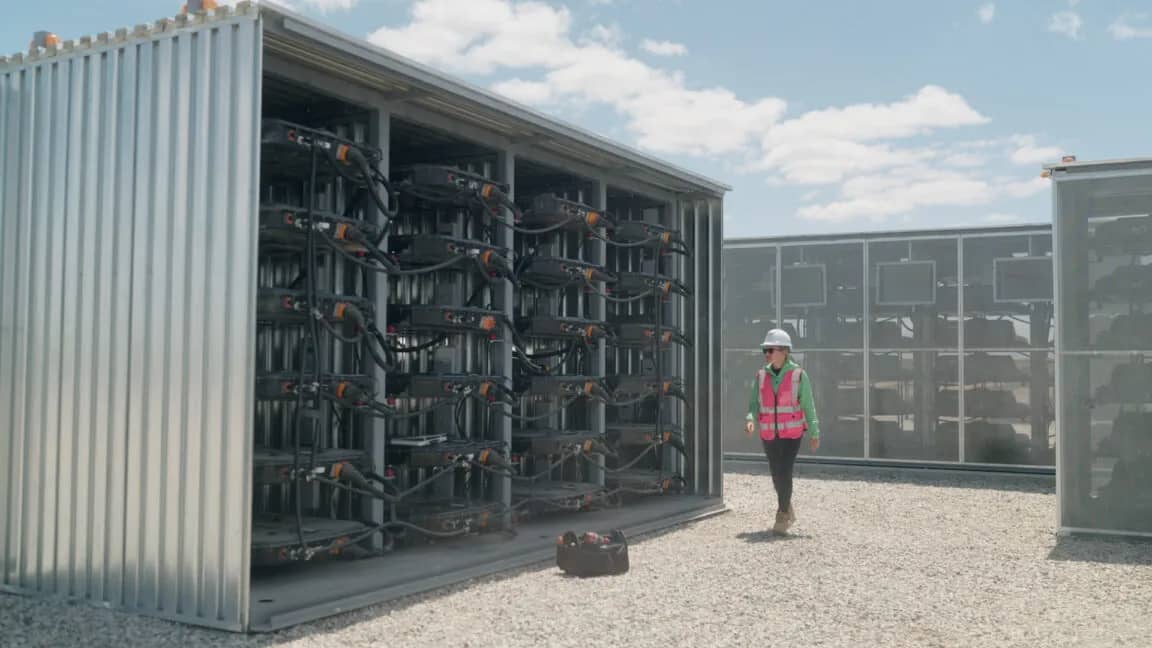
Waymo robotaxis drive around much more each day than the typical EV, which means the Waymo fleet is likely to experience faster usage-related degradation of battery capacity over time.
The agreement would allow B2U to repurpose Waymo batteries that become available at the end of a vehicle’s lifespan, along with obtaining used batteries that are being swapped out from operational vehicles.
Tap a lens to see what this story means for you.
Liked this? The Brief brings you the whole day in tech, verified, every morning.
Two minutes, free forever. What's in The Brief →
See what’s happening right now
The Feed runs all day — short, verified briefs the moment they break.
Open the FeedFollow @thecircuitry_
Every story we publish, as it happens. No noise between.
Reader-supported
The Circuitry is a passion project I've always wanted to build, and I love the work behind it.
Running it costs real money. APIs, hosting, time. To keep improving the site and growing this into something useful for everyone, those costs have to be covered.
Any contribution is appreciated. If not, no pressure. Thanks for reading.
Waymo will begin offering driverless rides to employees in San Diego, Las Vegas, Tampa and Denver in the coming weeks before opening the service to the public. The expansion strengthens the company's lead in the U.S. robotaxi market while it targets 1 million weekly trips by year-end.
Alpiq, CATL-backed CNTE and Terralayr have each activated battery storage projects in Germany that together bring around 260MW of operational capacity, including the country’s former largest system at Bollingstedt. The developments arrive weeks before the Energy Storage Summit Germany 2026 opens in Berlin.
LG Energy Solution has begun production of LFP and NMC battery cells at its Lansing, Michigan factory, announced on 18 August. The plant is expected to reach more than 35 GWh annual capacity to supply both BESS and EV customers including Toyota.
Encavis has acquired its first utility-scale standalone BESS in Italy, OX2 has purchased two projects from Hanwha in the Italian market, and Sunotec has commissioned a 379MWh installation in Bulgaria as part of its debut collaboration with GEN-Is.
Base Power has raised $1 billion to commercialize its new 39.2-kWh Core home battery that provides up to 36 hours of backup and installs in under an hour. The funding will speed deployment of a system three times larger than typical home batteries that also participates in virtual power plants.