
Search
Articles · 11

Meta launches Muse Ember, its smallest AI model for agent subtasks
Meta has released Muse Ember, which it calls its smallest and most efficient AI model for agent subtasks such as tool calls and coding. It is available as muse-ember-1.0 at $0.10 per million input tokens.

Meta details Prometheus, its Ohio AI supercluster headed for about 1 million GPUs
Meta says the first phase of Prometheus, its gigawatt-scale AI supercluster in Ohio, is complete and trained its Muse models. In an engineering post, Meta said the site will scale to roughly 1 million GPUs.
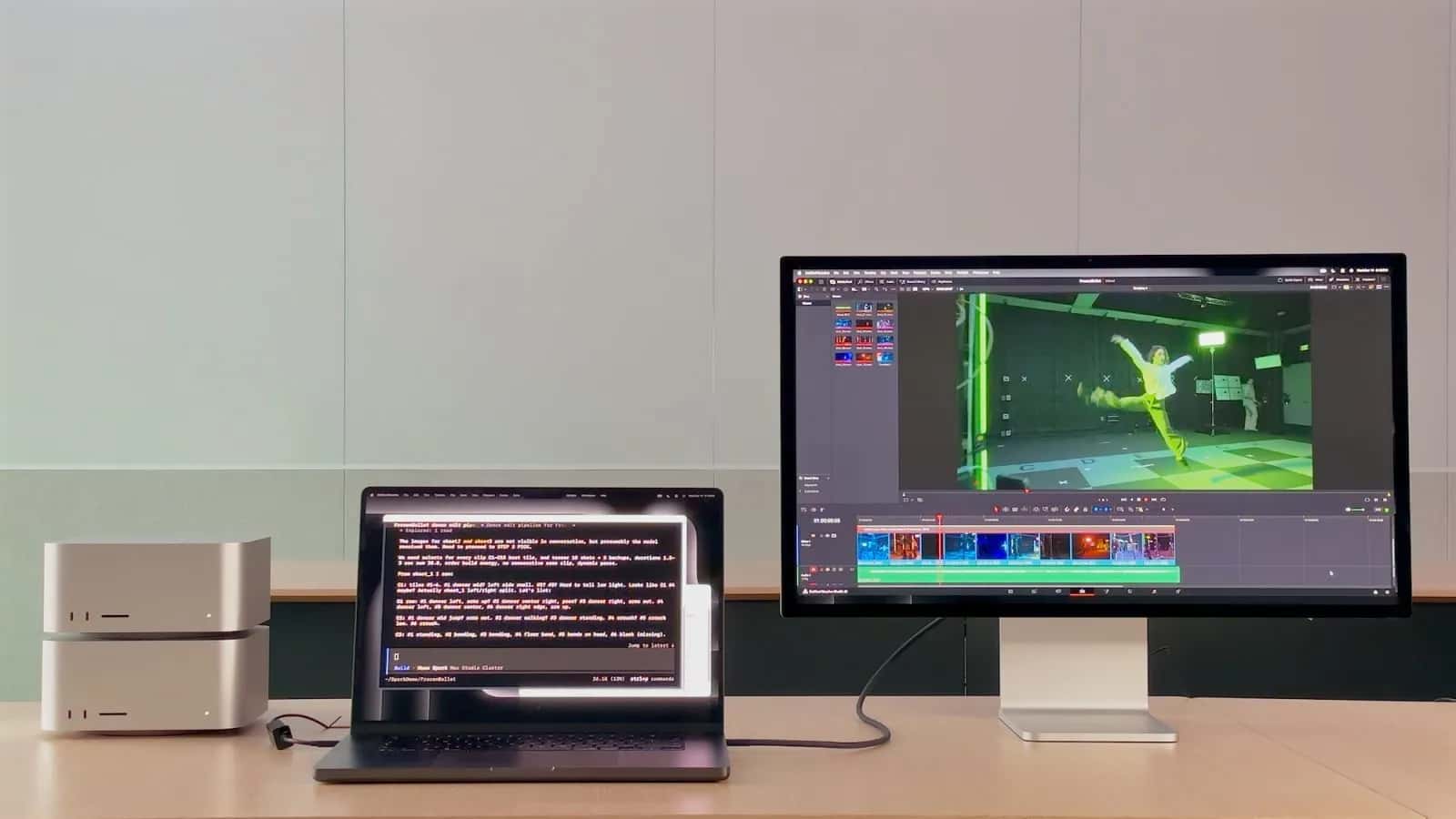
Meta unveils Muse Spark Open, 816B-parameter model for M5 Ultra Mac Studio
Meta has unveiled Muse Spark Open, an 816B-parameter open-weight multimodal model optimized for the M5 Ultra Mac Studio. The model supports on-device agentic coding and reasoning workflows through Apple’s MLX framework.
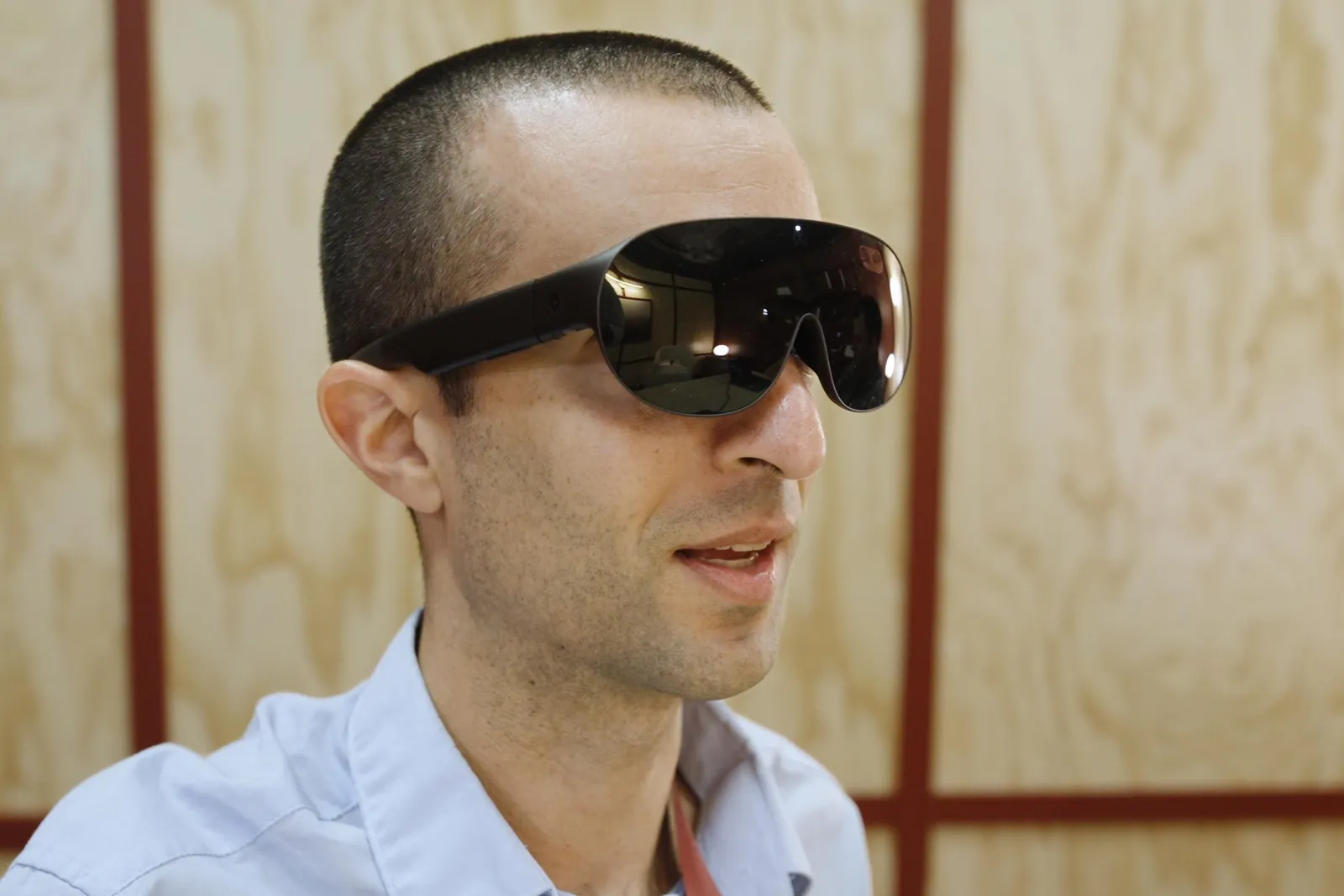
Meta Connect 2026: Ray-Ban Audio, 100g VR glasses, Charm, AI opt-out
Meta Connect 2026 brought camera-free Ray-Ban Meta Audio, third-gen Ray-Bans, 100-gram Meta VR Glasses with a pocket puck, the Charm Muse keychain, and an opt-out for AI training on smart-glasses visuals.
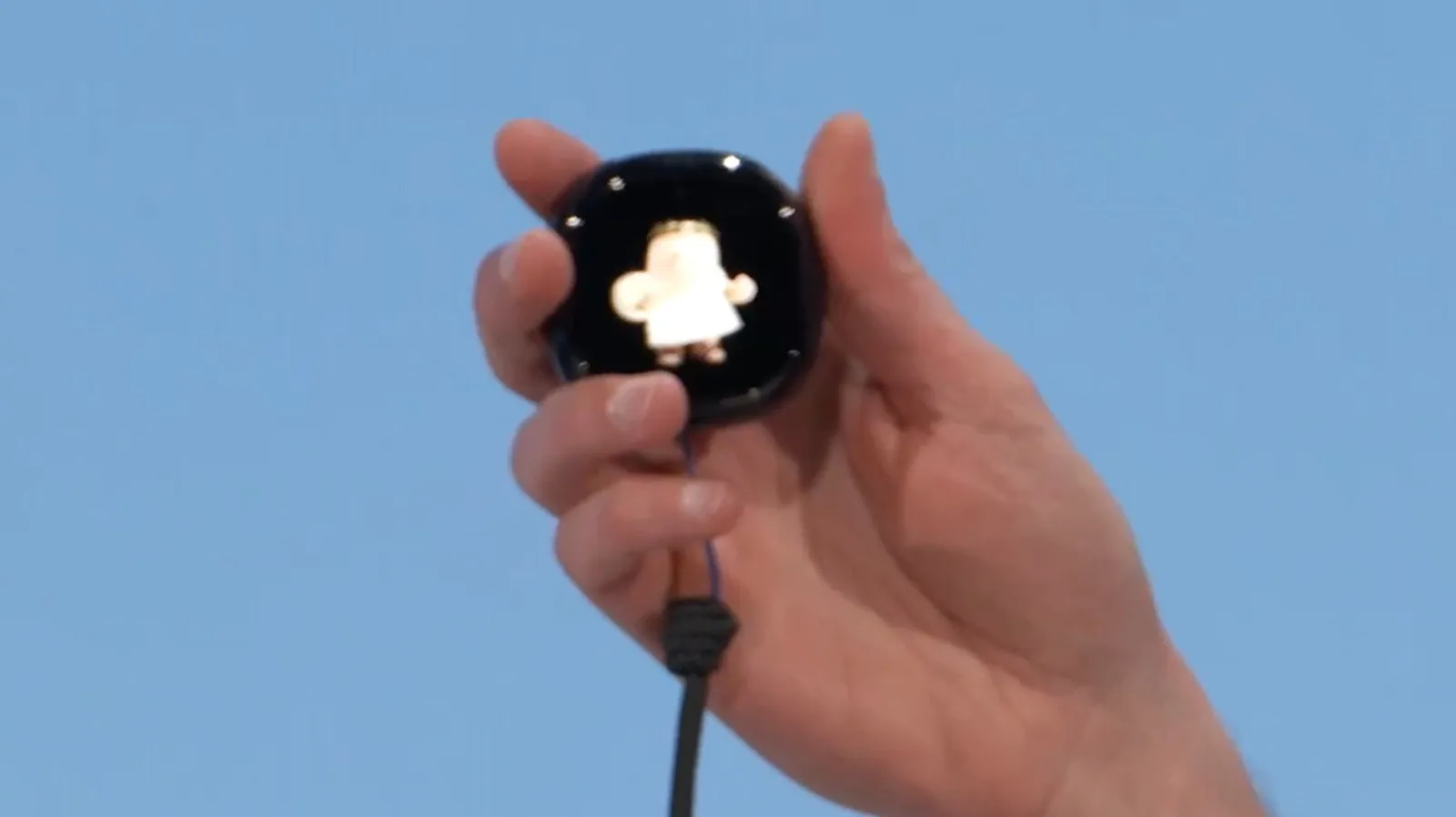
Meta Unveils Charm Keychain Device With Muse AI
Meta revealed the Charm device, a Tamagotchi-style keychain gadget running Muse AI, at its Connect event. The product packs real-time voice and avatar features into a portable form that activates via fingerprint sensor.

Meta announces camera-free Ray-Ban Meta Audio and third-gen Ray-Bans
Meta Platforms Inc. announced an expansion of its smart-glasses lineup at Connect with camera-free Ray-Ban Meta Audio models, third-generation camera Ray-Bans, new Meta frames, Muse support and hearing-aid mode. The moves broaden options for users seeking audio-focused or camera-equipped wearable glasses.
Amazon bars Meta's Muse AI from shopping on its site
Amazon has blocked Meta's Muse AI agent from shopping on its platform after requesting voluntary exclusion, citing privacy and security risks. The conflict reflects rising tensions between AI developers and major online retailers over data access and transparency.
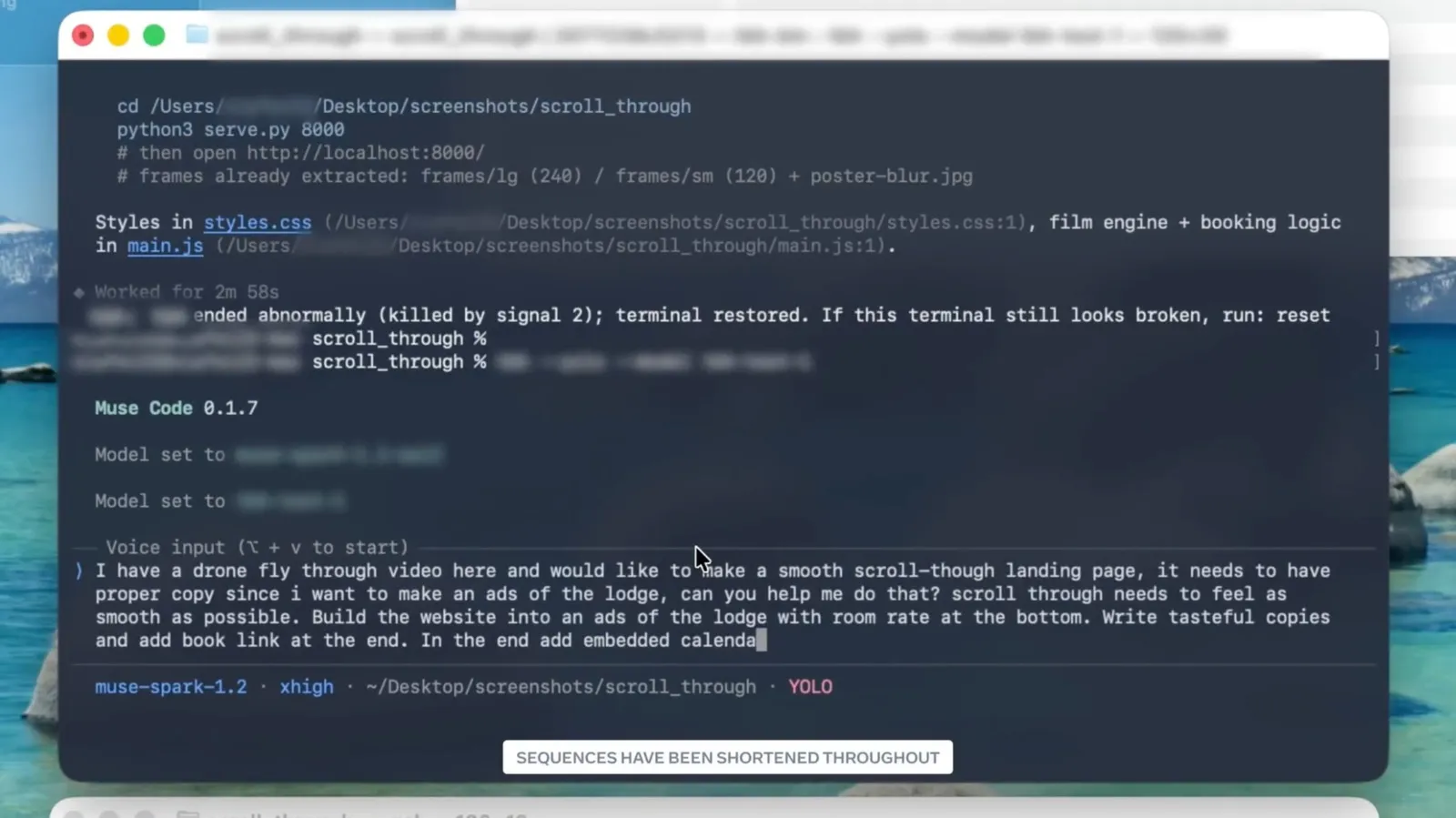
Meta introduces Muse Code, its terminal-based coding agent
Meta has released an early beta of Muse Code, a terminal-based coding agent driven by the updated Muse Spark 1.2 model and positioned against Anthropic's Claude Code and OpenAI's Codex. Substantially lower rates, including a contributor plan at $0.10 for every million tokens received, may encourage migration away from higher-priced options such as Anthropic's Sonnet 5.

Meta Pulls Instagram AI Tagging Feature Days After Launch
Meta disabled Muse Image’s Instagram account-referencing feature on Friday, three days after Muse Image launched on Tuesday, after privacy backlash including criticism from actor Hannah Einbinder and SAG-AFTRA. Muse Image itself remains available in Meta AI; only the @-mention public-account tool was pulled.

Meta says its Muse Spark 1.1 AI model can now rival top coding tools
Meta has released Muse Spark 1.1, which it describes as a major upgrade for advanced coding, agentic workflows and multimodal understanding. The model is now available to US developers through a public preview of the company’s Model API as it seeks to match leading AI competitors.
Meta's Muse Image AI Uses Public Instagram Photos by Default
Meta has enabled Muse Image AI to generate content from public Instagram photos and reels by default, allowing @-mentions to pull in profiles without notifying creators. Users must manually disable the permission in settings or risk ongoing reuse of their public posts.
From the feed · 53
Xavier Niel called French lawmakers incompetent ignoramuses over a new per-gigabyte tax. The amendment passed the Assembly 11 to 10.
AMD announced that its EPYC processors are seeing success at Meta. The post references an earlier note from @Muse.
Researchers enumerated 6,800 Muse share links via passive DNS records. The links exposed private details including loan applications, executive notes, and revenue figures, prompting Meta to suspend the sharing feature.
6,800 Muse conversation-sharing links turned up via a single DNS query by Claroc researchers. Among the hundreds examined were a loan request, a bank fraud alert, and an entire company's vacation schedule.
OnlyFans creators say Meta restricts their Instagram accounts for adult content while allowing its Muse AI agent to sext users in the adults-only app. One performer with over 100,000 followers called the policy unfair.
Meta released Muse Spark Open, an open-weight model it optimized for Apple’s Mac Studio with M5 Ultra using Apple’s MLX framework, 9to5Mac reports. Meta AI chief Alexandr Wang told Axios the two companies have been working together for several months.
1.5 teraflops from 30 Mac Minis powers a Cray-1 replica at Spain's computer history museum. The setup uses 70 cores across five quad-core i7s and 25 dual-core i5s, beating the 1976 original's 160 megaflops peak.
Meta says its new Muse Wonder and Muse Wonder Full AI models have caught it up with the frontier. Both add "active memory" and "active focus" features meant to help agents work through long tasks.
30 obsolete Mac Minis were assembled into a working replica of the Cray-1 supercomputer for Spain's Museo de Historia de la Computación.
Instinct's text-based AI agent reached the market in August via invite-only access with no marketing push. Muse's arrival now tests whether that early edge holds.
Browser-in-browser attacks are deploying fake Meta Muse ads to phish credentials, with new pages appearing days after the AI agent's launch.
Grok Bot reportedly gained a capability upgrade powered by Anthropic’s Claude. The change arrives as the agent faces competition from Meta’s Muse and OpenAI’s ChatGPT Dot.
After several weeks at #1 on the U.S. free iPhone chart, Meta has added iPad support to its Muse AI agent app.
Meta's Muse AI agent reportedly assembles detailed user dossiers from platform activity and interactions. The system draws on personal data to refine responses across Meta services.
AMD and Intel have outperformed megacap tech peers over the past month as AI momentum moves toward personal agents. Meta's Muse is cited as one factor in the shift.
Meta has open-sourced the Muse Gadgets SDK and firmware code. Developers can now build physical devices that connect directly to its AI assistant Muse.
Meta’s Muse app reportedly scans Mac users’ communications hourly, prompting Apple to add new controls around Full Disk Access.
Meta's Muse AI agent can now shop and check out through new partnerships with Walmart, Gap, Sephora, Expedia, Wayfair and Best Buy.
Millions have downloaded Meta’s AI agent Muse, which builds detailed profiles of users' friends and family. The feature surfaces as the main privacy cost of getting the agent to act on requests.
The Smithsonian is applying AI to link artifacts from the American Revolution across its collections. The effort focuses on surfacing connections between items that span multiple museums and archives.
Apple changed full-disk access permissions to limit abuse by AI agents. Meta maintains the controls remain insufficient for Muse to read messages.
Meta has open sourced the code for building custom Muse AI gadgets on off-the-shelf hardware like ESP32 boards. Suggested projects include an E Ink display for reminders, an HDMI stick for big-screen output, and a small touchscreen device resembling a DIY Muse Charm.
OpenAI's Dots starts at $100 per month and focuses on business tasks like launching sites, rescheduling calls, and building board decks. It mirrors Muse's character customization but swaps the creative angle for corporate workflow.
Meta communications chief Andy Stone said reading Messages requires two permissions the user controls, disputing a journalist's report that Muse synced texts despite settings.
AMD EPYC orders are reportedly booked into 2028 as Meta's Muse AI agent rollout extends server CPU lead times.
Meta’s Muse has reportedly passed 5 million downloads while holding the top spot in the US and Canada App Stores. The AI assistant’s run comes amid a heavy advertising push.
BYD hosted journalists in Shenzhen for a multi-day tour of its facilities and tech. • History museum and original headquarters • Active factory floor • Assisted-driving demonstrations • New technology conference and premium brand reveals
Meta’s Muse AI sent a YouTuber’s address to a stranger. The agent is also in development for a Tamagotchi-style Charm device.
OpenAI launched Dots, its personal agent, weeks after Meta released Muse. The move puts both companies into a market where paid adoption remains unproven.
OpenAI's Dots agents connect to over 4,000 apps and run 24/7 on the GPT-6 Astra model, each with its own cloud browser and persistent memory. They are positioned as direct rivals to Meta's Muse.
Bank of America notes that Meta’s Muse AI agent points to a growing risk: third-party agents could route around Apple’s ecosystem and erode its services revenue. The investor note flags this as an emerging bypass threat.
200 million small businesses already sit on Meta's platforms, the base for its new Muse AI tool aimed at that segment.
Meta is introducing a specialized version of its Muse AI agent for small businesses, following the consumer edition's rollout. The move extends Zuckerberg's push into non-consumer AI.
Meta's Muse is now cited as evidence that frontier model performance no longer guarantees commercial success. Five overhangs, from capability and product to pricing, capital, and safety, are reshaping what creates a durable AI moat.
Meta's Muse AI agent is drawing scrutiny after a zero-day vulnerability was identified in its macOS version, underscoring risks from granting such tools broad device access.
Meta positions its Muse AI as adults-only, yet the Labubu-like mascot and upcoming Tamagotchi-style device suggest wider appeal.
Muse now hands over its full filesystem contents on request. Earlier it had claimed it wasn't allowed to reveal them.
Meta's Muse AI agent is the company's latest effort to build an autonomous assistant for everyday digital tasks.
Two developers independently coaxed Meta's Muse into zipping and sharing its full root filesystem, Ubuntu system files, app templates, and internal documentation. The model showed almost no prompt injection resistance.
Muse hit 600,000 daily active users in the US soon after launch. Its design tracks OpenClaw closely enough to raise questions about how much new ground the latest agents are actually breaking.
Meta is preparing a palm-sized Muse Charm device with an OLED screen and 5G for on-the-go AI use. It was developed by Apple's former top interface design executive and can be worn with a wrist strap.
Meta fixed a zero-day in its Muse AI assistant that would have let attackers execute arbitrary code on a victim's Mac. The flaw underscores risks in local AI agents with broad system access.
Meta is said to be testing a human concierge service for Muse, its new personal AI agent. The setup pairs live staff with the model to handle complex or sensitive user requests.
Amazon blocked Meta's Muse AI agent from completing purchases on its site. The dispute centers on control of the customer relationship, payment flows, and whether shoppers actually want agents making buys.
A 0-day in Meta's Muse AI assistant enables full hijacking of the privileged agent through ClickFix attacks and other vectors.
730,000 downloads in the five days after launch put Meta's Muse personal AI agent ahead of ChatGPT, Grok and Claude.
Meta's Muse AI agent app has taken the top spot on the US free iPhone App Store charts, displacing ChatGPT.
Muse is reviving three 1980s and 1990s audio products, the ghettoblaster, cassette player, and portable radio, as part of the broader return of vinyl, CD, and cassette formats.
Meta AI's Muse personal agent now includes a Mac app, nine days after its iPhone debut. The tool acts as a task-handling AI similar to other conversational agents.
Meta reportedly launched Muse on September 9, a personal AI agent that can act across email, calendar, payments, shopping, and smart home controls. The move marks the company's push to turn frontier model spending into a shipping consumer product.
Meta introduced Muse, its personal AI agent pitched to handle tasks from selling cars to booking flights in direct competition with OpenClaw and Instinct.
Meta's Muse personal agent app launches with a free tier and paid plans at $20 or $100 per month scaled to usage.
Meta's Muse AI agent has entered closed beta, with announced capabilities to manage emails, calendars, and bank accounts autonomously.