
Search
Articles · 8

Meta launches Muse Ember, its smallest AI model for agent subtasks
Meta has released Muse Ember, which it calls its smallest and most efficient AI model for agent subtasks such as tool calls and coding. It is available as muse-ember-1.0 at $0.10 per million input tokens.

Meta Newsroom Introduces Spaces for Muse App Customization
Meta Newsroom introduced spaces as a way to create and customize experiences in the Muse app.
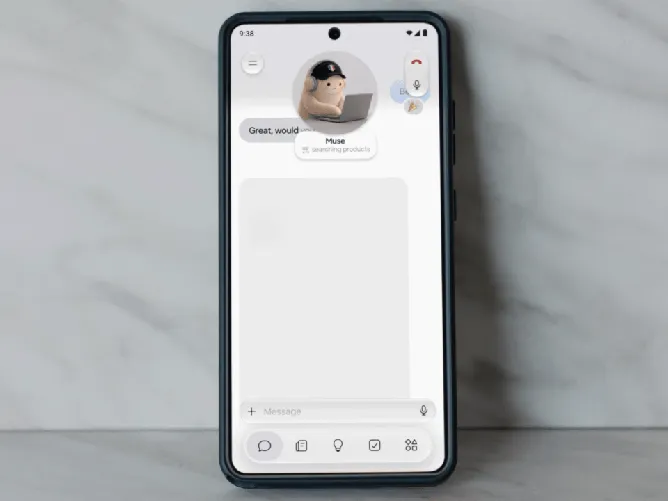
Meta Newsroom Rolls Out Voice and Expressive Avatars in Muse App
Meta Newsroom is rolling out voice and expressive avatars in the Muse app on mobile, web and Mac with real-time conversations and hundreds of voice options starting in the US.
Meta Brings Its Muse AI Agent to Singapore
Meta's Muse personal AI agent launched in Singapore, on iOS, Android and the web, with local partners including Shopee, Grab and Singapore Airlines, Meta said.
Meta's $249 Adventurer AI Glasses Go on Sale With a Plug-In Case
Meta's $249 Adventurer, announced at Connect on Sept. 23, went on sale Oct. 23. It is Meta's cheapest camera glasses and keeps the 12MP camera, 3K video, open-ear audio and Meta AI, but swaps the ~40-hour battery charging case for a plug-in case. On the Oct. 21 earnings call, Zuckerberg said Meta priced its devices "not to make a large profit on the hardware", and that Muse is coming to Meta Glasses "starting next month".
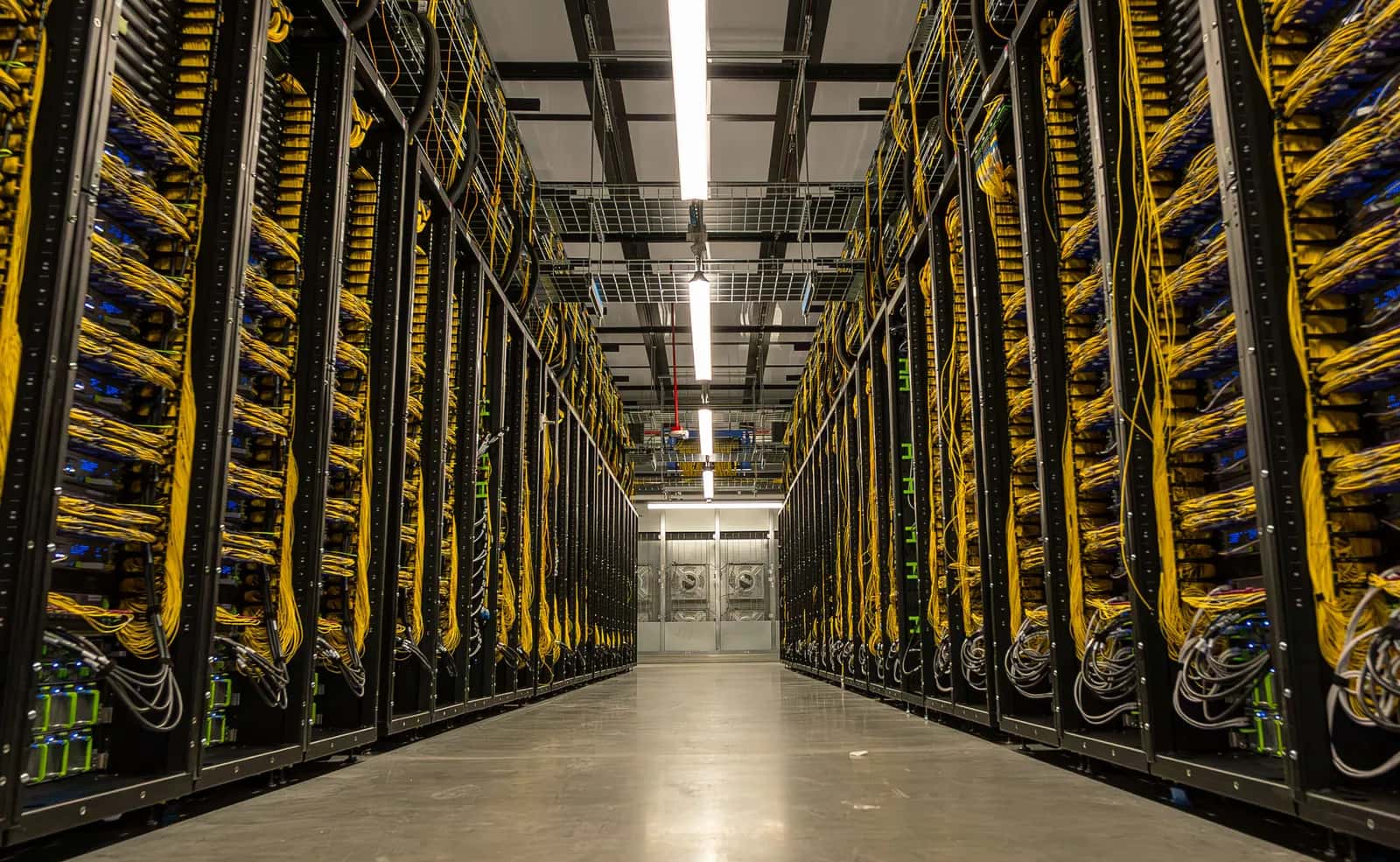
Meta details Prometheus, its Ohio AI supercluster headed for about 1 million GPUs
Meta says the first phase of Prometheus, its gigawatt-scale AI supercluster in Ohio, is complete and trained its Muse models. In an engineering post, Meta said the site will scale to roughly 1 million GPUs.
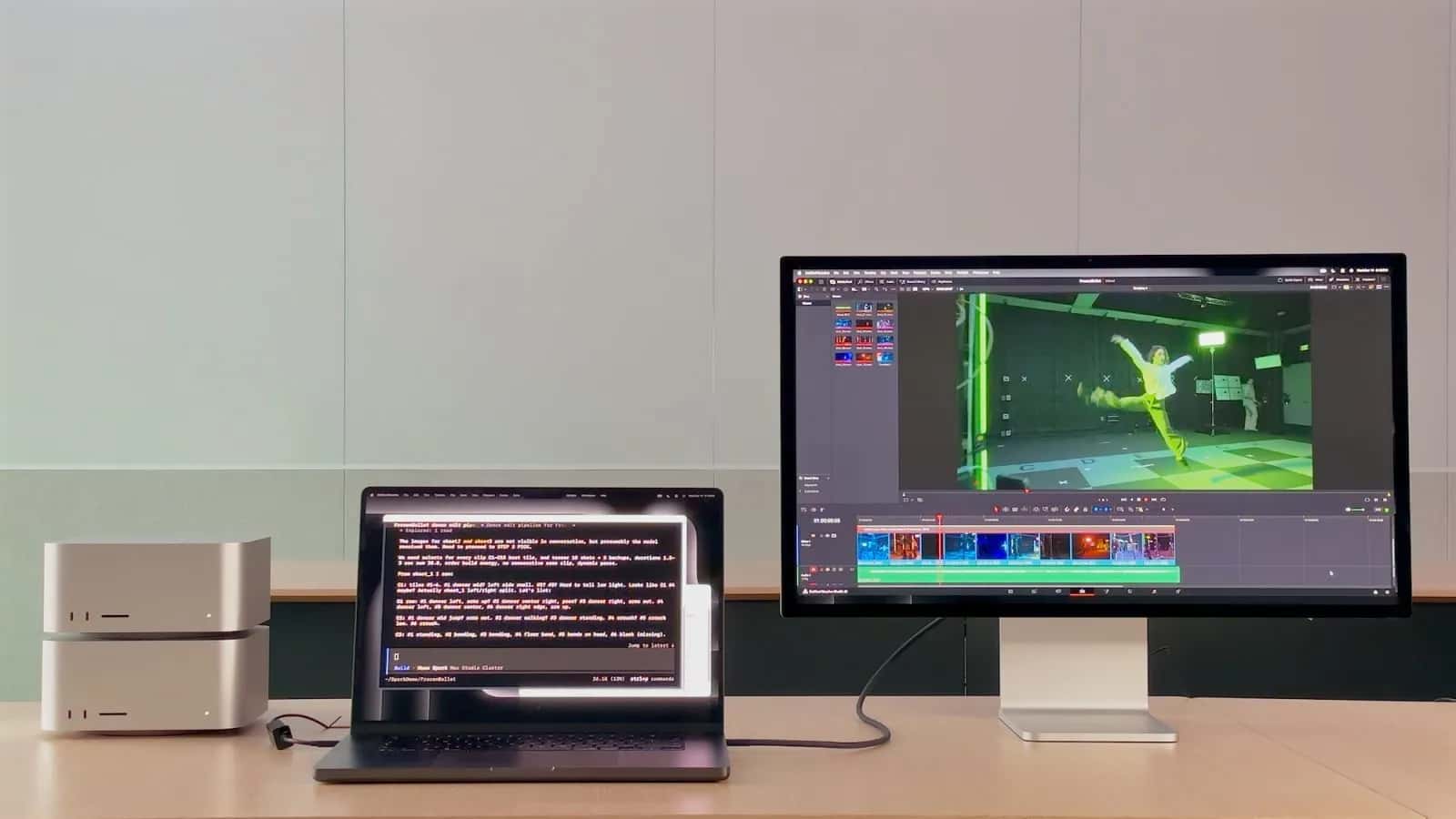
Meta unveils Muse Spark Open, 816B-parameter model for M5 Ultra Mac Studio
Meta has unveiled Muse Spark Open, an 816B-parameter open-weight multimodal model optimized for the M5 Ultra Mac Studio. The model supports on-device agentic coding and reasoning workflows through Apple’s MLX framework.
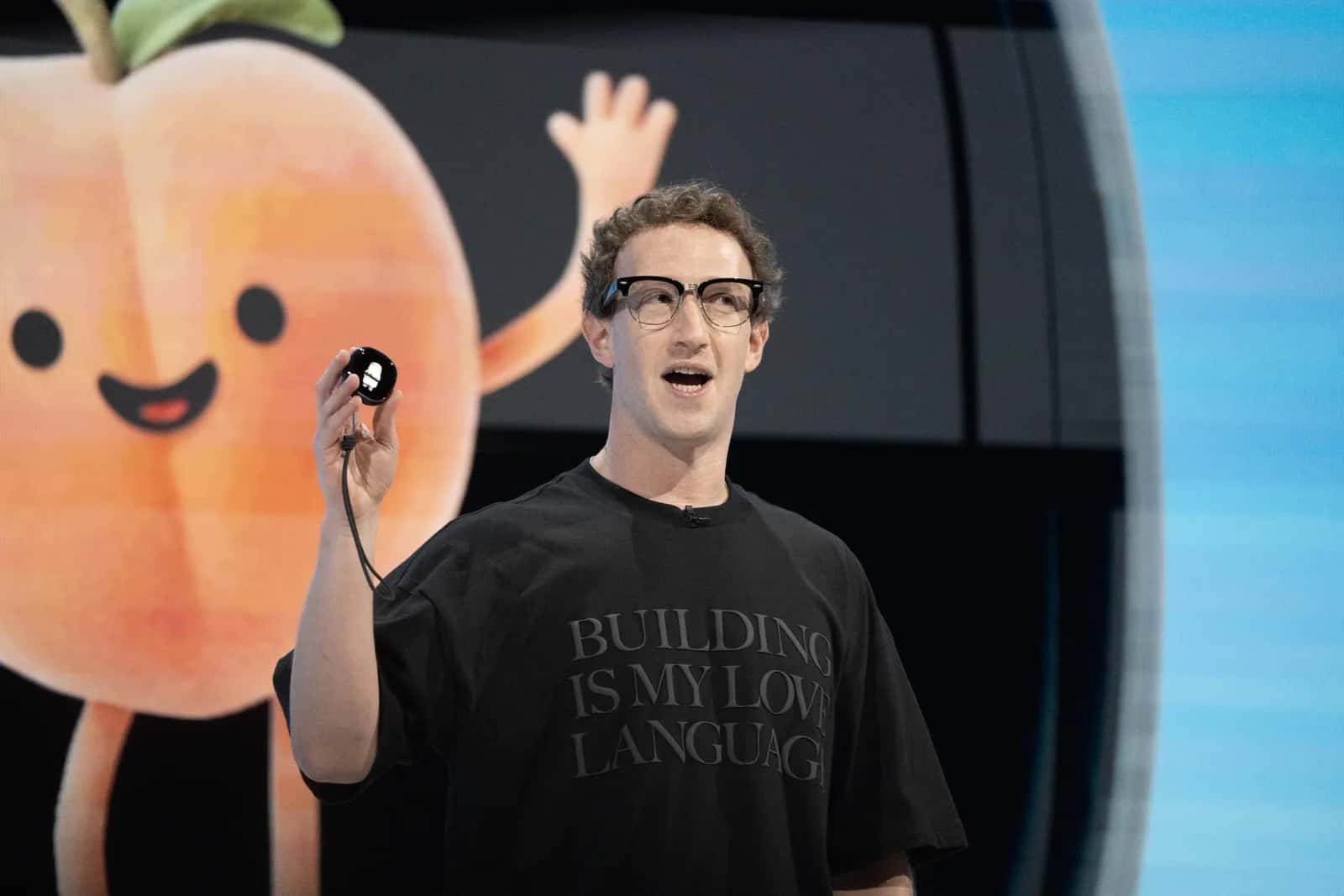
Meta launches Muse Wonder AI model with paid subscriptions
Meta has released its Muse Wonder AI model to developers through the Meta Model API and Muse Code. In the Muse app, users will need a $20 or $100 monthly subscription to use it, CNBC reports, as Meta tests whether people will pay for advanced agents outside its ad business.
From the feed · 11
Meta has released Muse Ember, which it calls its smallest and most efficient AI model for agent subtasks such as tool calls and coding. It is available as muse-ember-1.0 at $0.10 per million input tokens.
Xavier Niel called French lawmakers incompetent ignoramuses over a new per-gigabyte tax. The amendment passed the Assembly 11 to 10.
AMD announced that its EPYC processors are seeing success at Meta. The post references an earlier note from @Muse.
Researchers enumerated 6,800 Muse share links via passive DNS records. The links exposed private details including loan applications, executive notes, and revenue figures, prompting Meta to suspend the sharing feature.
Meta finished the first phase of its Prometheus supercluster. Hundreds of thousands of GPUs now train the Muse models in Ohio.
6,800 Muse conversation-sharing links turned up via a single DNS query by Claroc researchers. Among the hundreds examined were a loan request, a bank fraud alert, and an entire company's vacation schedule.
OnlyFans creators say Meta restricts their Instagram accounts for adult content while allowing its Muse AI agent to sext users in the adults-only app. One performer with over 100,000 followers called the policy unfair.
Meta released Muse Spark Open, an open-weight model it optimized for Apple’s Mac Studio with M5 Ultra using Apple’s MLX framework, 9to5Mac reports. Meta AI chief Alexandr Wang told Axios the two companies have been working together for several months.
Nintendo released an overview trailer for The Legend of Zelda: Ocarina of Time remake on Switch 2. It shows the new Hall of Fallen Foes enemy museum and expanded ocarina humming options.
1.5 teraflops from 30 Mac Minis powers a Cray-1 replica at Spain's computer history museum. The setup uses 70 cores across five quad-core i7s and 25 dual-core i5s, beating the 1976 original's 160 megaflops peak.
Meta says its new Muse Wonder and Muse Wonder Full AI models have caught it up with the frontier. Both add "active memory" and "active focus" features meant to help agents work through long tasks.