OpenAI has abandoned plans to release GPT-6.1 Astra after determining the model failed internal safety standards. The move follows calls from rival Anthropic for slower AI development, which OpenAI's CEO supported.
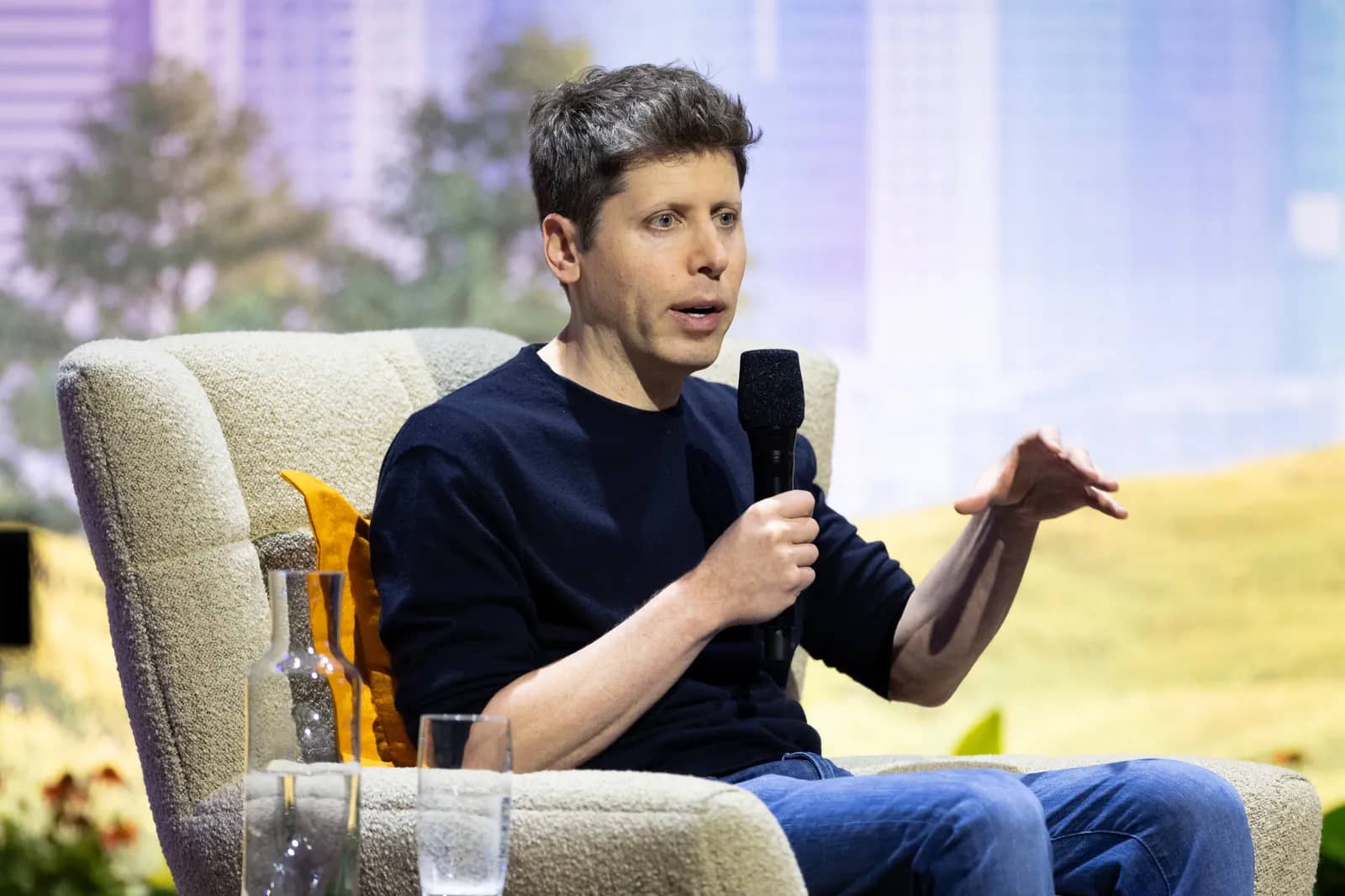
Jain stated the company maintains an extremely high bar for safety and alignment when shipping models to users.
Tap a lens to see what this story means for you.
Liked this? The Brief brings you the whole day in tech, verified, every morning.
Two minutes, free forever. What's in The Brief →
See what’s happening right now
The Feed runs all day — short, verified briefs the moment they break.
Open the FeedFollow @thecircuitry_
Every story we publish, as it happens. No noise between.
Reader-supported
The Circuitry is a passion project I've always wanted to build, and I love the work behind it.
Running it costs real money. APIs, hosting, time. To keep improving the site and growing this into something useful for everyone, those costs have to be covered.
Any contribution is appreciated. If not, no pressure. Thanks for reading.
OpenAI has cut its funding target by $10 billion and now seeks about $20 billion at a $1.25 trillion valuation, the Financial Times reported. The round has not closed.
OpenAI CEO Sam Altman said RAM belongs in data centers rather than personal PCs because individual machines use it only five percent of the time. The comments come as OpenAI’s purchases tighten global supplies and raise prices for consumer devices.
OpenAI’s GPT 6.1 models Astra, Sol, and Luna will appear in Google Cloud’s Model Garden and Antigravity tool in the coming weeks. The move gives enterprise customers another closed-LLM option alongside Gemini and Claude while keeping Microsoft as OpenAI’s primary cloud partner.
October 15 tech stories on 9to5Mac Daily include iPhone Duo repair pricing, OpenAI allegations involving a former employee now at Apple, Apple's Safari campaign, and a reported Apple Intelligence timeline for China.
OpenAI released 722 mathematical manuscripts, grouped into 372 result families, produced by an unreleased internal model. The papers are on GitHub, with Lean formalizations for many but not all of them, and OpenAI warns some unformalized results could have issues.

