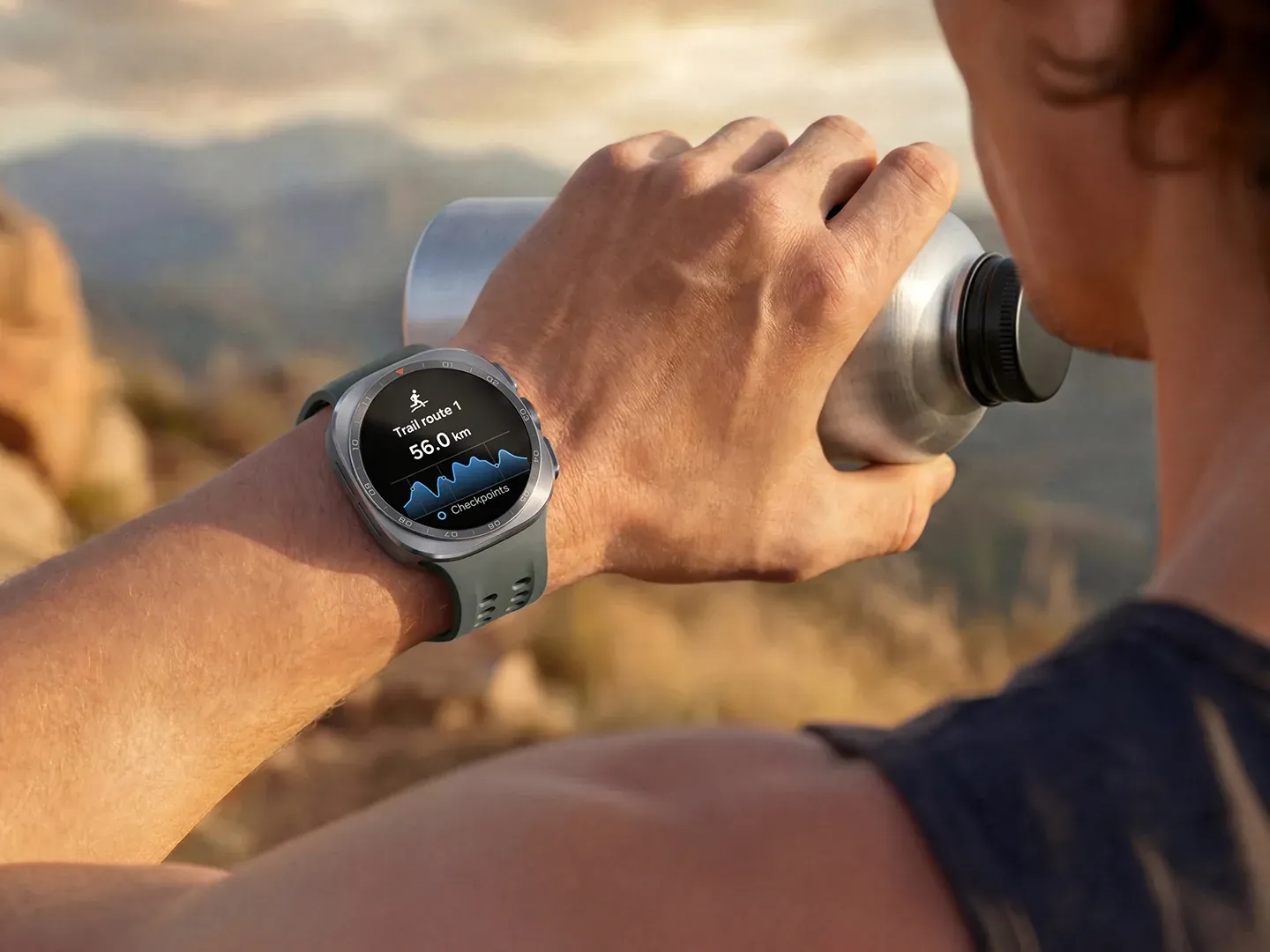
Samsung introduced the Galaxy Watch 9 and Galaxy Watch Ultra 2 with displays up to 5,000 nits, larger batteries, FDA-cleared sleep apnea detection and fresh AI-driven wellness tools. The wearables emphasize preventive monitoring that includes trail-run analysis, dive-computer functions and remote support features, with general availability beginning August 7.
Corrected Galaxy Watch 9 / Ultra 2 retail availability from August 9 to August 7, matching Samsung’s U.S. newsroom.
Central among them is a Sleep Apnea detection feature that has received U.S. Food and Drug Administration clearance and delivers analysis of breathing interruptions during rest.
The Vitals tool watches overnight baseline readings and notifies wearers of meaningful shifts.
Tap a lens to see what this story means for you.
Liked this? The Brief brings you the whole day in tech, verified, every morning.
Two minutes, free forever. What's in The Brief →
See what’s happening right now
The Feed runs all day — short, verified briefs the moment they break.
Open the FeedFollow @thecircuitry_
Every story we publish, as it happens. No noise between.
Reader-supported
The Circuitry is a passion project I've always wanted to build, and I love the work behind it.
Running it costs real money. APIs, hosting, time. To keep improving the site and growing this into something useful for everyone, those costs have to be covered.
Any contribution is appreciated. If not, no pressure. Thanks for reading.
Apple has announced the Apple Watch Series 12 and Ultra 4 featuring an upgraded health tracking system that measures heart rate every five seconds and adds a new readiness score. The models also introduce Audio Intelligence with sound recognition, live rewind transcription, and Siri recaps while running on the new S11 chip (previously reported to include A20 Pro-derived components).
Amazon's Bee unit launched the $74.99 Bee Frontier AI wristband, available now in the US, and announced the Bee Eclipse phone attachment, starting at $99.99 and coming soon.
Meta's Ray-Ban Meta Audio glasses went on sale October 13 starting at $349 USD, according to Meta. Meta calls them its first audio glasses and its lightest AI glasses yet at 43 grams, with up to 12 hours of battery life and prescription lenses on every style.
Google has officially launched the Fitbit Edge fitness tracker with a 46 percent larger display and a replaceable battery. The device targets users seeking notifications and improved tracking without full smartwatch complexity.
Samsung's 65-inch 2025 The Frame TV has reached an all-time low of $898 on Amazon during Prime Big Deal Days. The matte-screen art television now carries a 40 percent discount through October 7.