Sembcorp Industries completed its AU$6.5 billion (US$4.32 billion) acquisition of Alinta Energy, adding 3.4GW operational and 10.4GW in development assets to its Australian holdings. The move expands Sembcorp's Renewables East portfolio across China, Southeast Asia and Oceania following regulatory clearances.
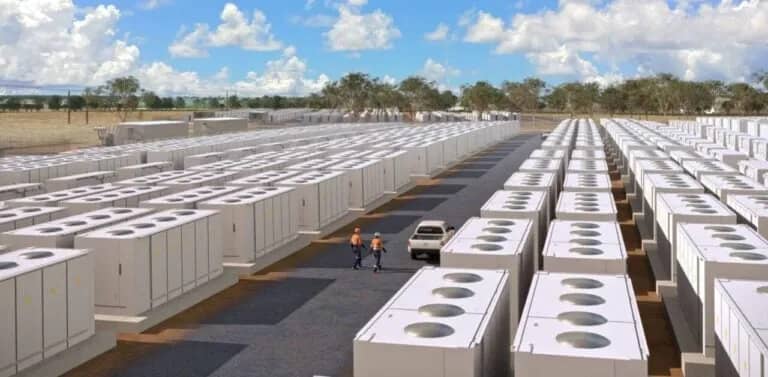
The deal ranks among Australia's largest recent utility acquisitions.
Tap a lens to see what this story means for you.
Liked this? The Brief brings you the whole day in tech, verified, every morning.
Two minutes, free forever. What's in The Brief →
See what’s happening right now
The Feed runs all day — short, verified briefs the moment they break.
Open the FeedFollow @thecircuitry_
Every story we publish, as it happens. No noise between.
Reader-supported
The Circuitry is a passion project I've always wanted to build, and I love the work behind it.
Running it costs real money. APIs, hosting, time. To keep improving the site and growing this into something useful for everyone, those costs have to be covered.
Any contribution is appreciated. If not, no pressure. Thanks for reading.
Visa announced it will acquire Israeli fraud-detection startup BioCatch for $2.4 billion in cash from Permira and other investors. The purchase centers on behavioral biometrics technology and expands the payments company’s fast-growing value-added services business as global fraud losses surpass $1 trillion a year.
Zoom is acquiring Common Room to combine the startup’s buyer-intelligence graph with conversation data from its own sales calls. The integration creates one platform for revenue teams while giving Common Room access to greater resources for faster product development.
Payward Inc., Kraken's parent, agreed to acquire Hong Kong stablecoin payments firm Reap Technologies for $600 million in cash and stock. The deal expands the company into Asian cross-border payments and marks its second major acquisition in a month after buying Bitnomial.
Gavin Newsom has signed seven bills that require AI data centers to cover the cost of upgrades to local power grids and water systems while also disclosing projected water consumption and satisfying specific efficiency standards. The legislation prevents utility expenses from being transferred to residents as data center activity expands.
BloombergNEF projects U.S. data centers could consume about 18 Bcf/d of natural gas by 2035 — more than Germany and Japan combined and nearly double BNEF’s forecast from nine months earlier — TechCrunch reported September 15, 2026. Onsite plants may use 2.9–3.4 Bcf/d while grid-connected sites could add ~15 Bcf/d; price and climate impacts are framed as contingent.