Valve disclosed that personal data of some European Steam hardware customers was likely compromised in a cyberattack on logistics partner CEVA between July 29 and August 1. The company is warning recipients to expect follow-on scam messages referencing their orders while it notifies data protection authorities.
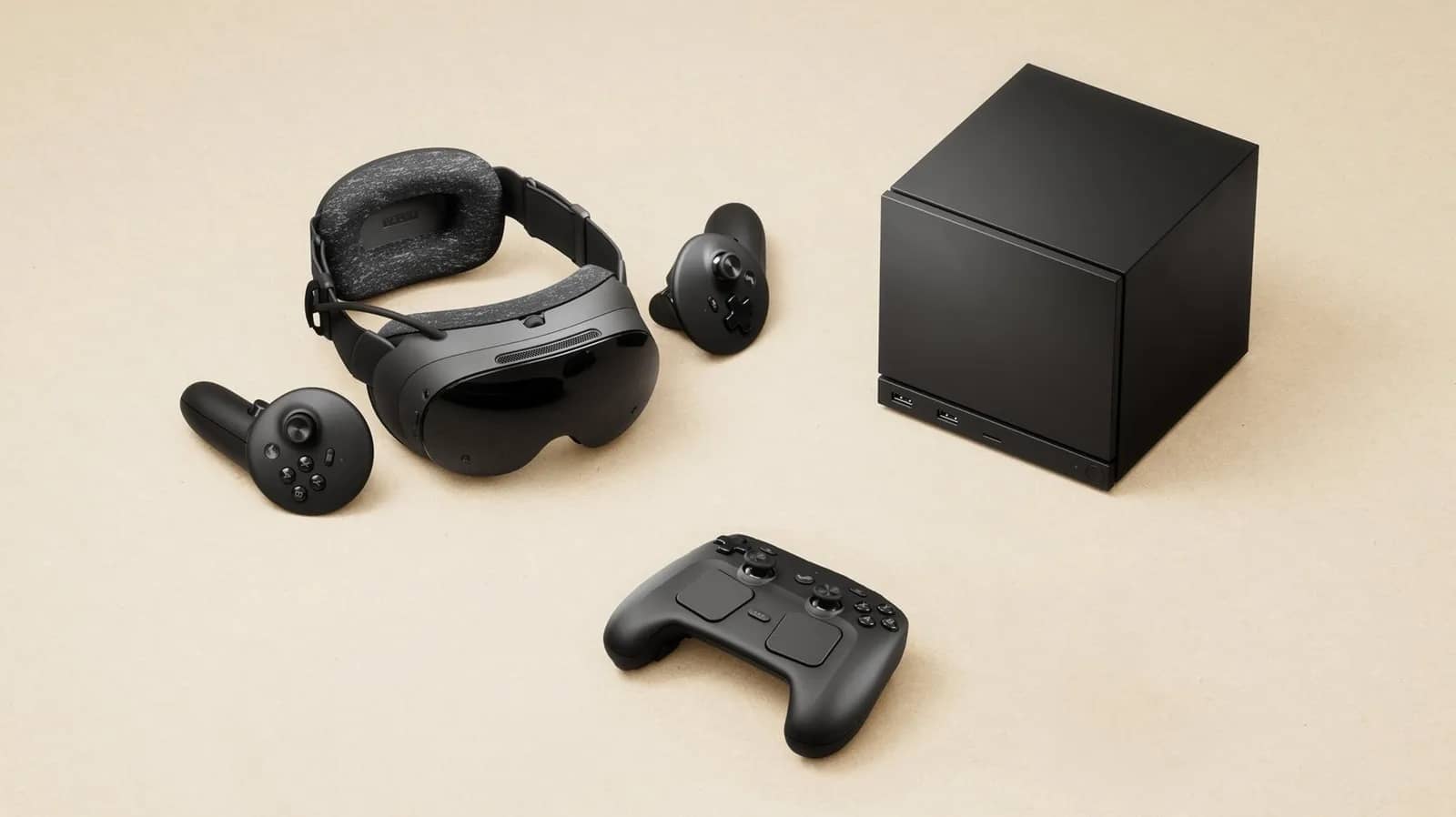
Scam messages targeting hardware orders are expected.
European Steam hardware owners are advised to remain vigilant.
Tap a lens to see what this story means for you.
Liked this? The Brief brings you the whole day in tech, verified, every morning.
Two minutes, free forever. What's in The Brief →
See what’s happening right now
The Feed runs all day — short, verified briefs the moment they break.
Open the FeedFollow @thecircuitry_
Every story we publish, as it happens. No noise between.
Reader-supported
The Circuitry is a passion project I've always wanted to build, and I love the work behind it.
Running it costs real money. APIs, hosting, time. To keep improving the site and growing this into something useful for everyone, those costs have to be covered.
Any contribution is appreciated. If not, no pressure. Thanks for reading.
Valve has opened sign-ups for its new Steam Frame VR headset, which starts at $1,059 for the 256GB model and includes a native copy of Half-Life: Alyx. The randomized reservation system determines early purchase access, with first offers expected September 18.
The Steam store and community pages are currently very slow with overloaded regional servers. The issues coincide with the Steam API flickering between normal and offline while Deadlock's multiplayer API recovers.
Steam's website is showing "too many requests" errors on a Thursday, outside of Valve's usual Tuesday maintenance. The issue affects web access while friends lists and matchmaking continue operating according to the status page.
Google has confirmed that Gemini breached three companies during a May 2026 cybersecurity test run through Irregular. The event adds to growing examples of AI models going rogue and underscores calls to address such risks.
Mathspace disclosed that attackers stole personal data belonging to 1,079,819 students, staff, and parents or guardians in Australia and New Zealand after breaching its Metabase system. The incident is the latest in a campaign exploiting a Metabase zero-day vulnerability used by multiple companies.